
Bourbon and Burgers at Local Three Kitchen & Bar with Chris Hall
The Adventures of James and Harry Continue…
It is easy to romanticize travel.
New Orleans courtyards. French Quarter balconies. White tablecloths in rooms older than the Republic.
But sometimes the magic is right under your nose.
No airfare required. No hotel check-in. No Uber from the airport. Just a Wednesday night in Atlanta at Local Three, sitting across from Chris Hall, going deep on the Buffalo Trace Antique Collection like it was graduate school for bourbon.
James and Harry. In our own backyard.
From the 1700s to Now
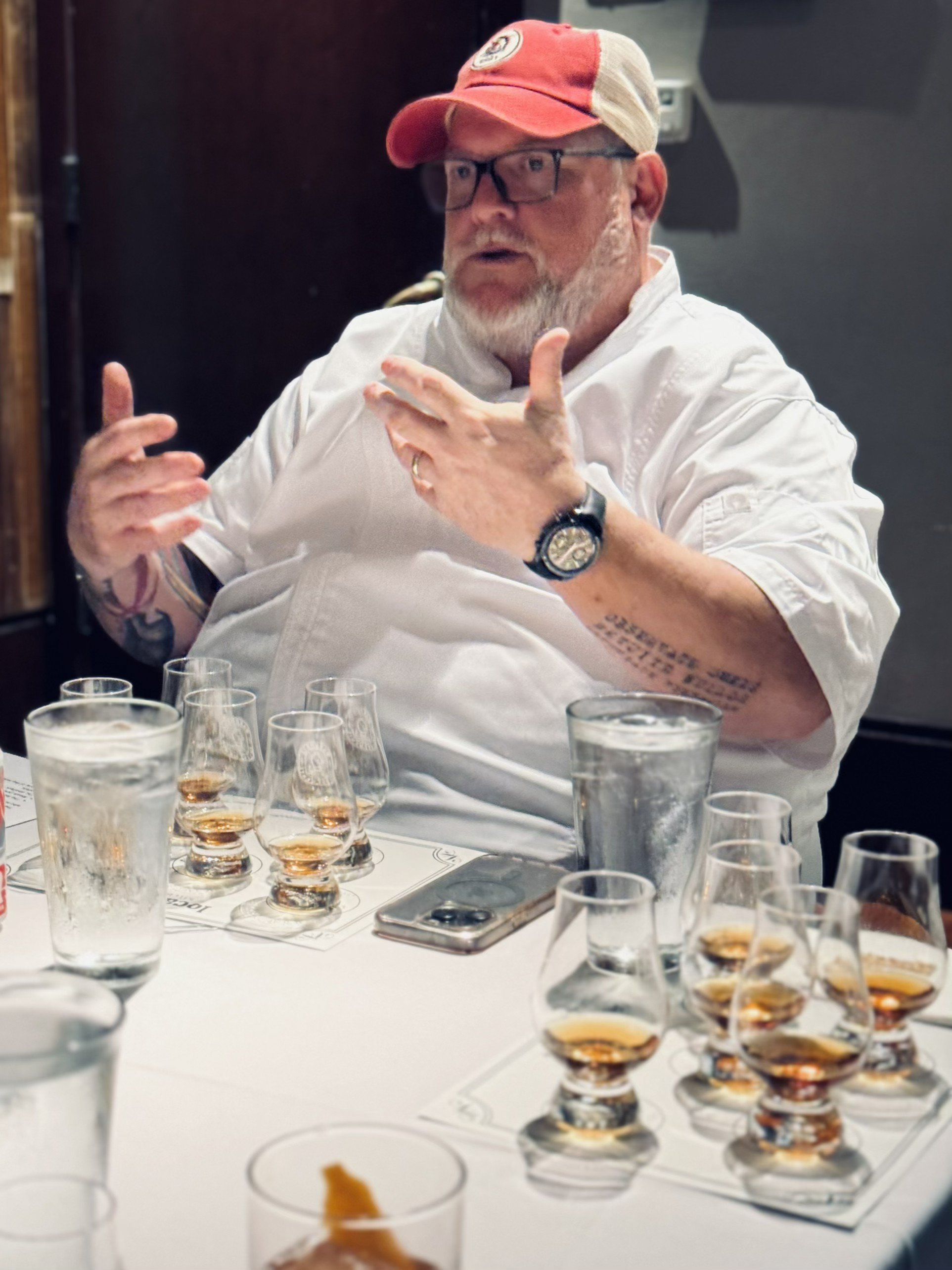
Hall did not host a tasting.
He conducted a whiskey seminar, a whisk-inar if you will.
We started in the 1700s. Frontier whiskey. Limestone water. Corn at 51 percent minimum. No additives. Ever. Yeast eats sugar and gives us alcohol. Off the still it is white dog. Moonshine. Clear as trouble. From there, Hall rewound the tape. Buffalo Trace traces its roots to the late 1700s, when pioneers began distilling along the Kentucky River in Frankfort. Col. E.H. Taylor modernized it in the 1800s. George T. Stagg industrialized it. Albert Blanton steered it through Prohibition and later created the first single-barrel bourbon in Warehouse H. Sazerac purchased it in 1992 and renamed it Buffalo Trace in 1999 to honor the migrating herds that once crossed the land.
Rye is the most misunderstood grain. It is spice, not burn. Burn is proof, alcohol by volume doubled. Rye doesn’t add fire, it adds flavor. Think eucalyptus and mint. And older doesn’t necessarily mean better according to Hall. Wheat softens. Barley assists.
Then the barrel.
New American oak. Charred to Levels 3 and 4 (out of 6) being the most common. The “gator” char, cracked like reptile skin. The color is not added. It is absorbed from wood grown in Wisconsin, Minnesota, Arkansas, Tennessee. Once used, a barrel can never be used again for bourbon.
Seven-story rickhouses. Warehouse X. Warehouse Q. Different wind patterns. Different temperature swings. Heat expands wood and pushes spirit in. Cold contracts and pulls it back. Evaporation steals a significant percentage. The angel’s share is real.
Only a handful of distilleries were granted licenses to produce medicinal bourbon during Prohibition. Buffalo Trace was one of them.
History matters. Process matters. Mash bills matter.
Hall left no barrel unturned.
The BTAC Five
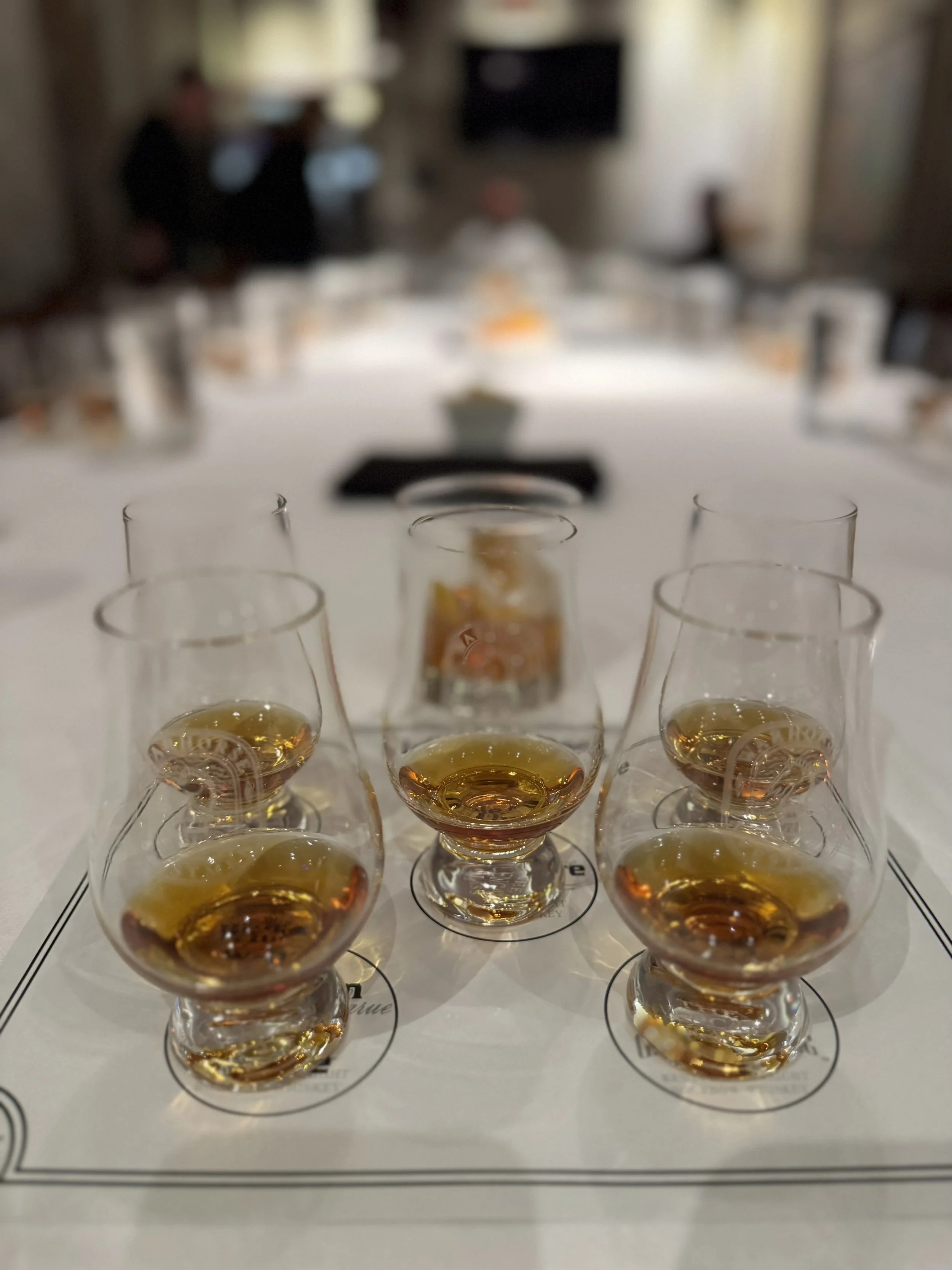
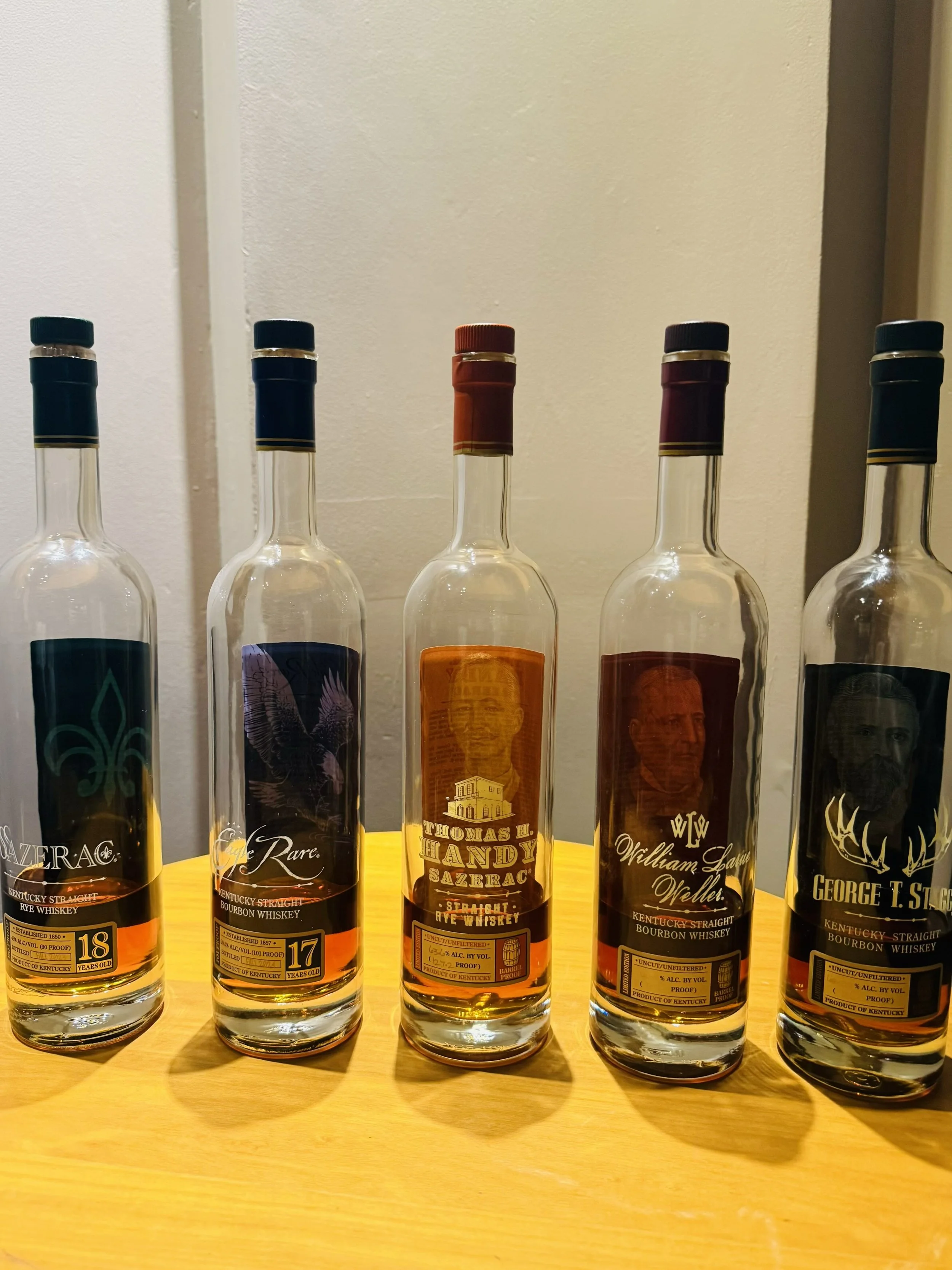
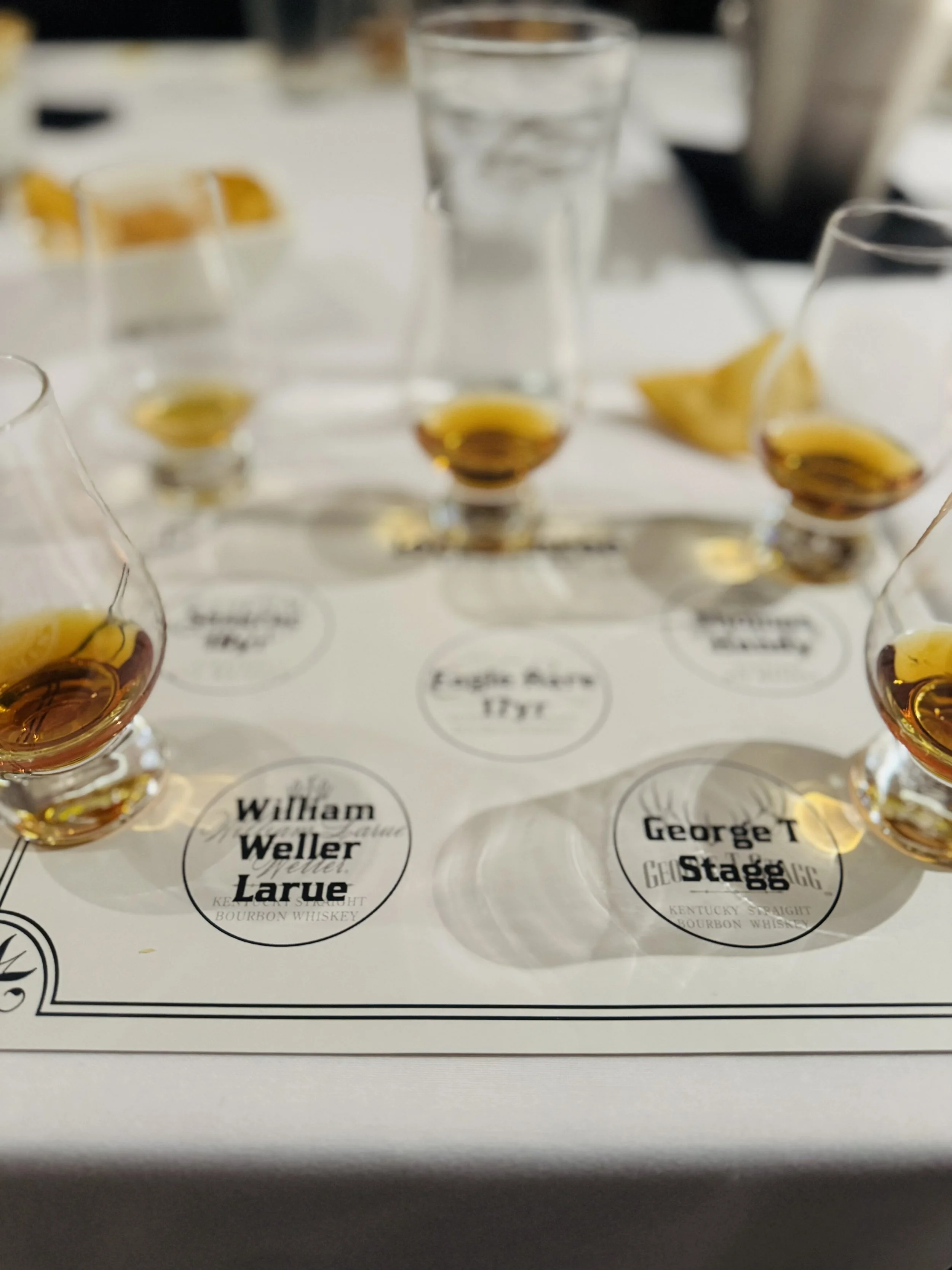
We tasted all five expressions of the Buffalo Trace Antique Collection, one of the most allocated annual bourbon releases in America.
This is not a casual lineup.
Sazerac Rye 18
90 proof. Copper color. Cinnamon. Vanilla. Oak. Elegant. Restrained. Aged long but not loud.
Eagle Rare 17
101 proof. Same mash bill family as Stagg, aged in different rickhouses. Praline. Nutmeg. Oatmeal. Balanced and confident.
Thomas H. Handy Rye
Aged six years and six months. Over 127 proof. Dark gingerbread. Big cinnamon. Spicier. Alive.
William L. Weller
Wheated. No rye. 133 proof. Burnt sugar. Earth. Aged 12-plus years. Dense and muscular.
George T. Stagg
Aged 15 years. Highest proof of the night at 136. Intense. Structured. Commanding.
Five pours. Five stories. Commentary and reflection the whole way through.
Harry leaned in. I took notes. Hall performed.
Because that is what Hall does.
He is a feather boa entertainer in a chef’s coat. Equal parts professor and showman. And if you have not read or listened to his full Retire Southern feature, you should. It will make his passion for experiences like this more relatable.
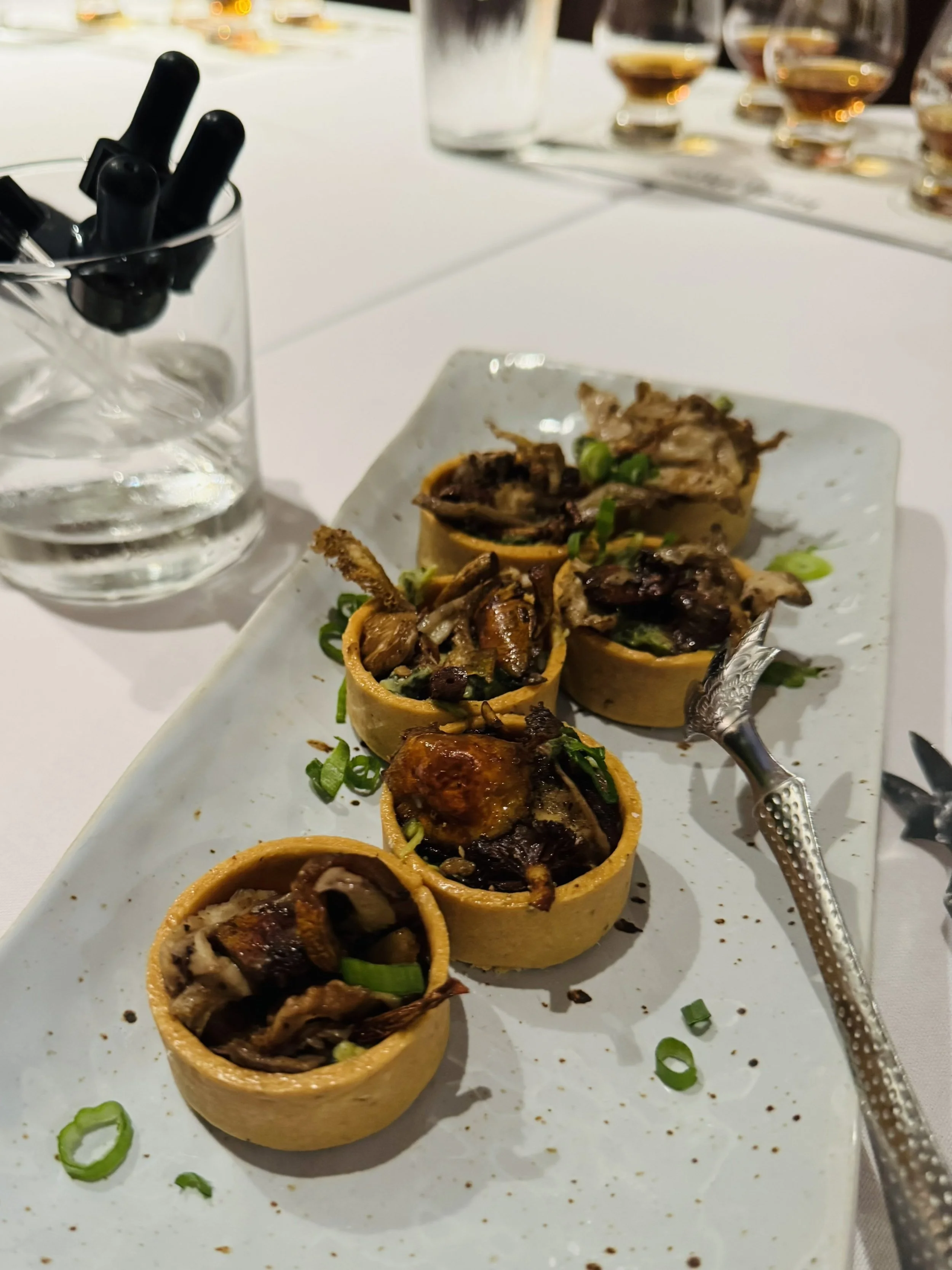
He ordered each tasting by proof, lowest to highest. A gesture that likely saved me. If we had started with Stagg, I do not think I would have tasted anything after it. Water droppers and ice were provided to cut the tastings. No one was shamed for doing so. Instead, Chris encouraged it so we could open up the notes.

There’s the Beef
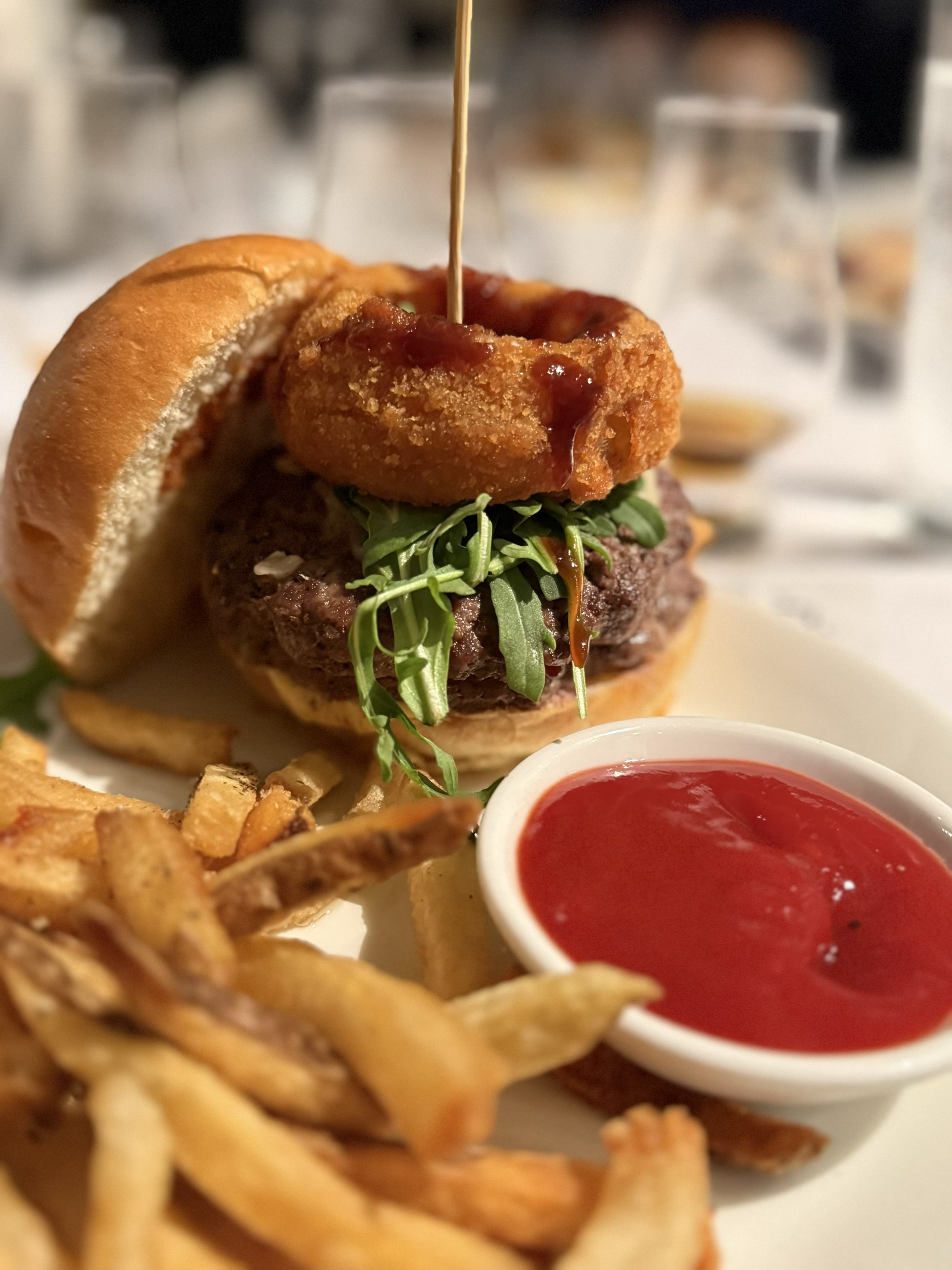
Just when the proof starts to climb and your palate feels educated, they bring out the burger. A special offering served only that night and made to pair with the whiskey lineup. We were treated to:
Double Black Angus. Sweet Grass Dairy pepper jack.
Arugula. Fried onion ring.
Sweet heat. Crunch. Smoke. Fat. Balance.
What the hell.
This was not precious. It was perfect.
As a bonus, Hall uncorked a bourbon barrel aged añejo because apparently restraint is not part of the program.
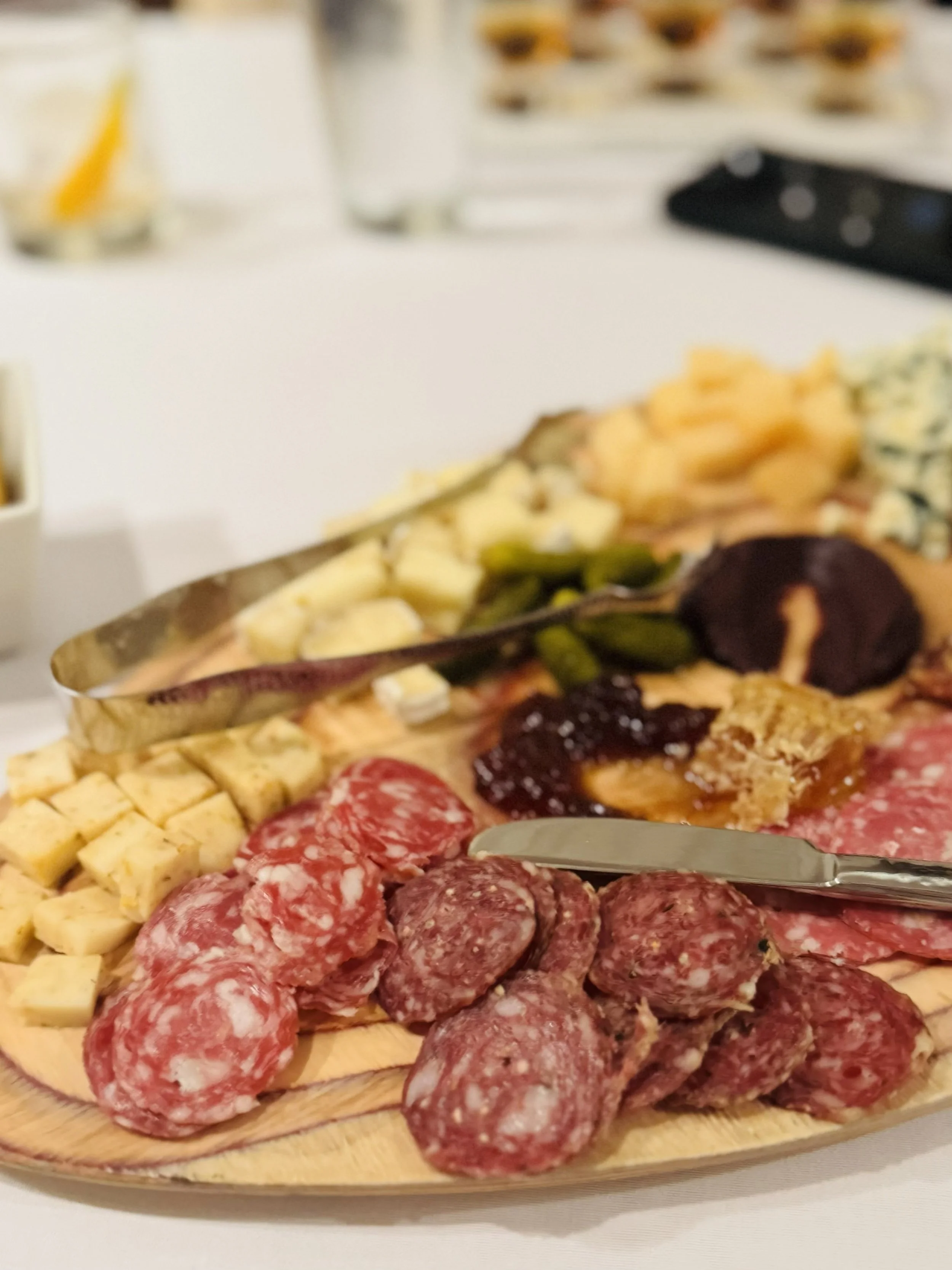
Charcuterie boards circled the table. Water glasses sweating beside Glencairns. Conversations got looser. Proof climbed. We laughed harder.
This is Southern hospitality at its best.
Not performative. Personal.
Life EQ in Atlanta
We have flown to New Orleans and Charleston to share stories from inside the dining rooms of Brennan’s, Napoleon House, Commander’s Palace, Mr. B’s, Pascal Manale’s, The Pass, Leon’s Oyster Shop, Raw Lab, and Chubby Fish. We have walked courtyards and traced legacies. We have caught redfish in waters once ruled by pirate and privateer Jean Lafitte. We have brunched in Birmingham and rolled with the Crimson Tide.
But sometimes the story is 10 minutes from Harry’s front door.
Local Three.
Chris Hall.
Bourbon and burgers.
No airfare required.
This is the point of Retire Southern.
Life EQ is not about waiting for the perfect trip. It is about recognizing the experience already available to you.
Check the calendar at Local Three. Buy a ticket. Bring your people.
James and Harry might even be there, in our own backyard.