
Grow With the Flow
Oyster Farming, Stewardship, and Place in the Lowcountry
Some people find their calling by design. Others find it because the wind shifts.
For Charleston Oyster Farm founder Tom Bierce, the journey started far from the Lowcountry. He grew up in Ohio, landlocked and inland, but drawn early to tall ships, sailing, and the pull of water. A semester at sea during high school changed everything. Six thousand nautical miles. From the Venezuela to Halifax. Charleston entered his life not as a destination, but as a waypoint.
Then weather intervened.
A storm rerouted that voyage to Fishers Island, New York, where Tom stepped onto an oyster farm for the first time. What began as shelter from a nor’easter became a quiet education in patience, process, and possibility. Years later, after studying marine science and coastal geology, working as a commercial diver, and earning a captain’s license, that memory still lingered.
Oysters stayed in the back of his mind. Charleston stayed in his heart.
Building Something That Did Not Exist
When Tom decided to start an oyster farm in South Carolina, there was no playbook to follow.
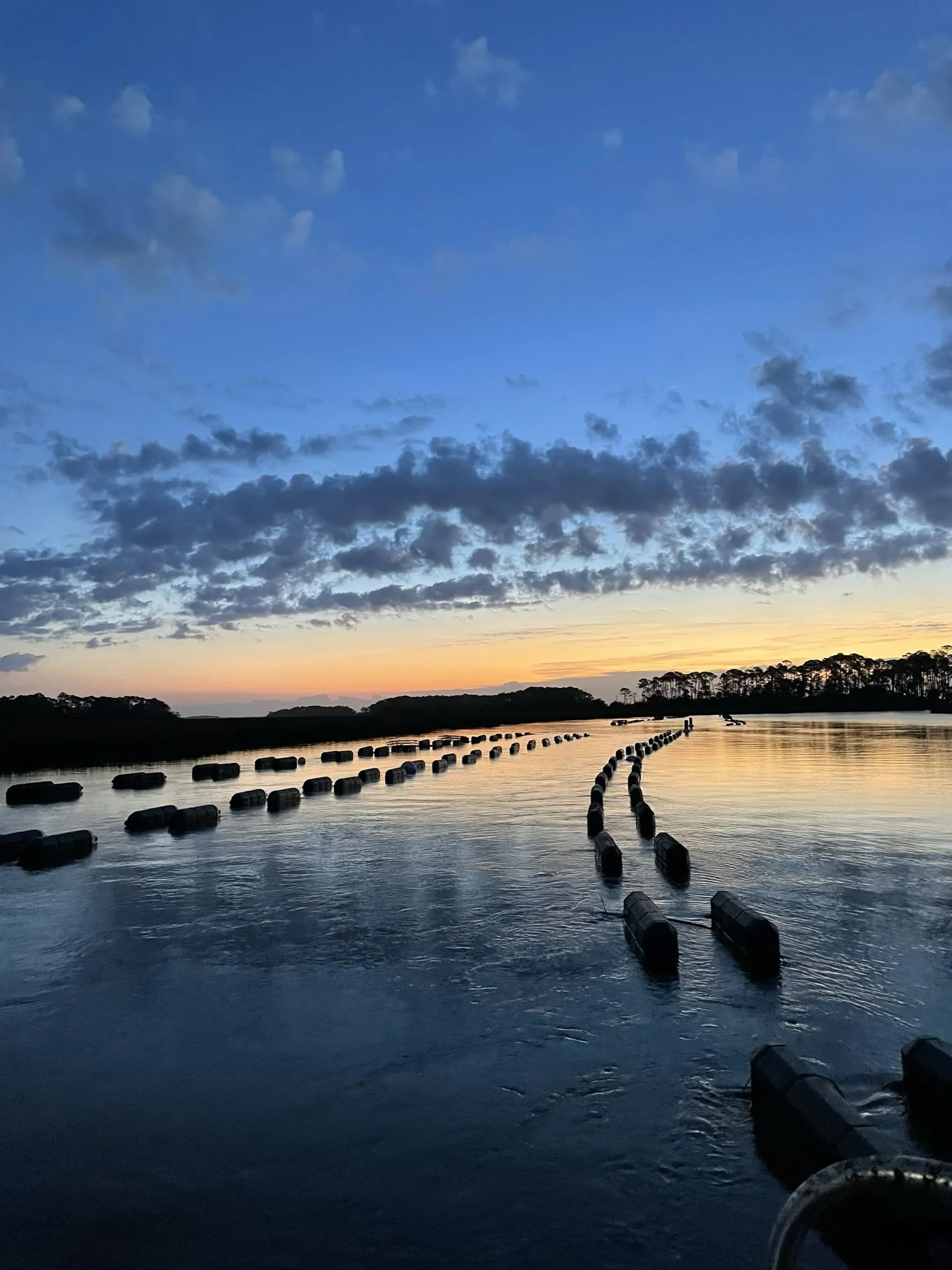
In 2014, he formed an LLC simply to begin the clock. Permits would not even be considered until a business had been operating for a year. What followed was a five year process involving the Department of Natural Resources, the Army Corps of Engineers, and Coastal Resource Management. Bottom cages first. Floating cages later. Every inch of the water column scrutinized.
Charleston Oyster Farm became the third permitted oyster farm in the state. The first to navigate the full regulatory maze.
What made it possible was not just persistence, but skill. Underwater construction. Helical screws driven six feet into the seabed. Diving, building, maintaining everything by hand. Tom was not just farming oysters. He was engineering a working waterfront from scratch.
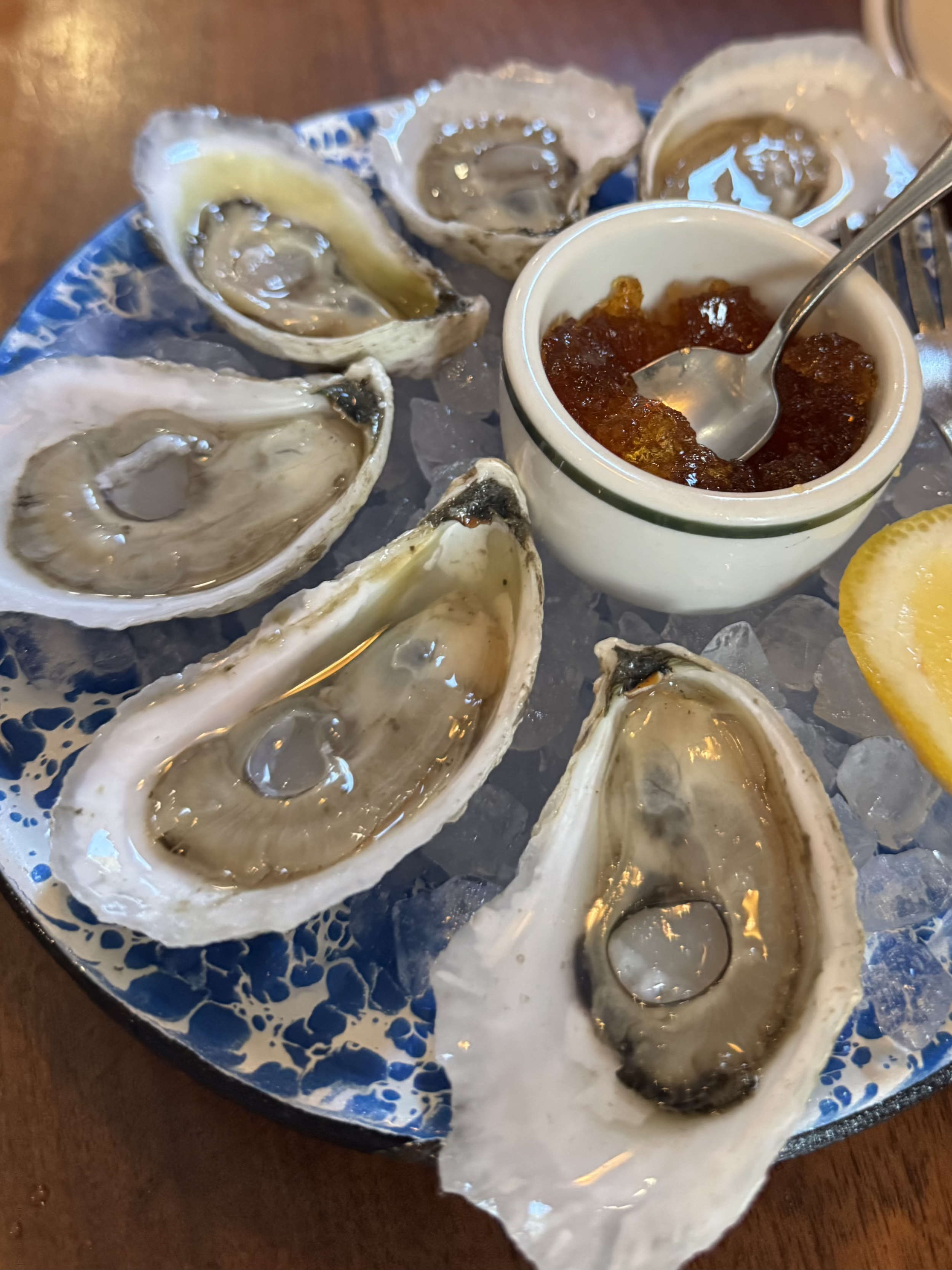
Mariculture on the Half Shell
At its core, oyster farming is an exercise in humility.
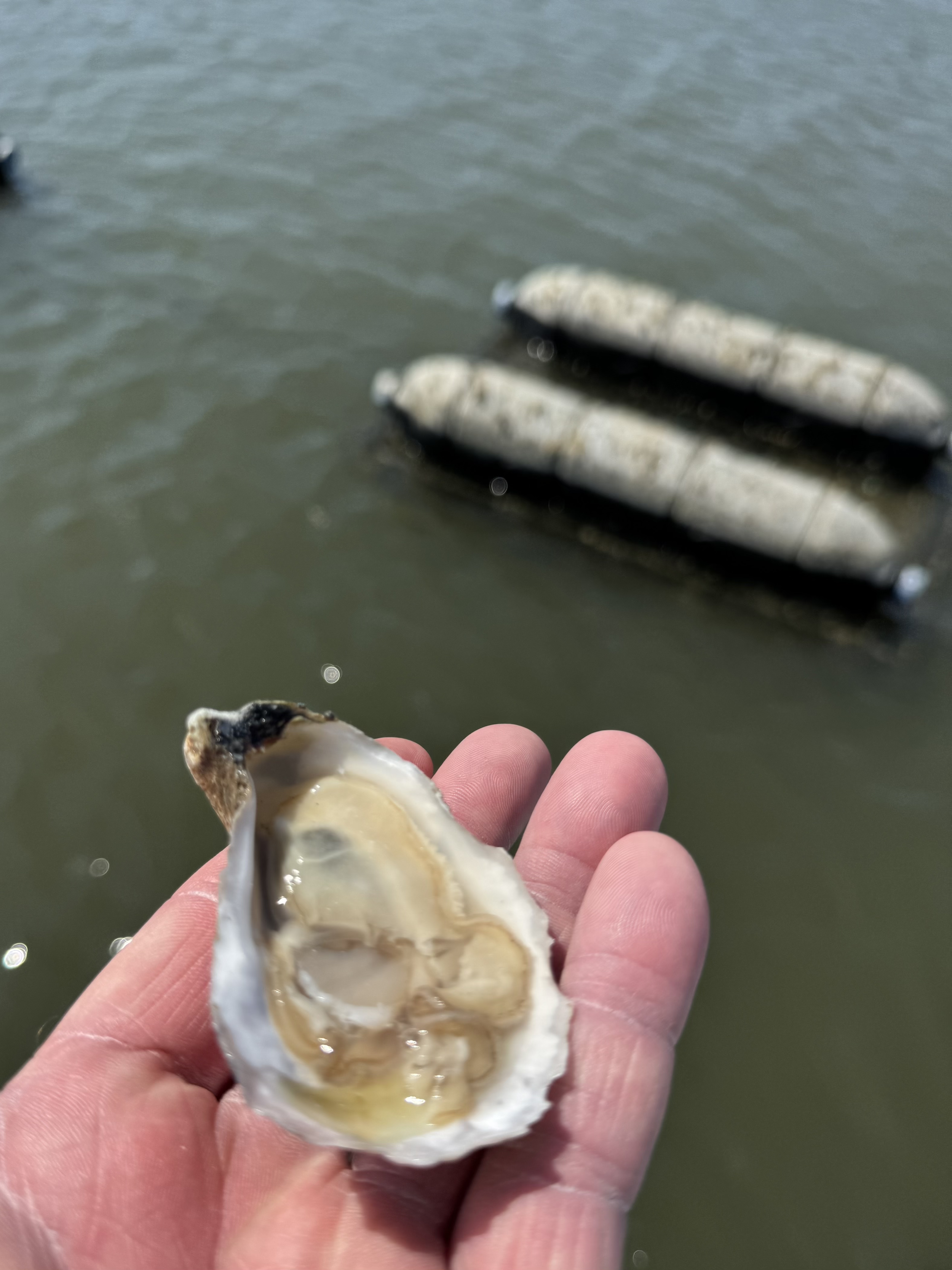
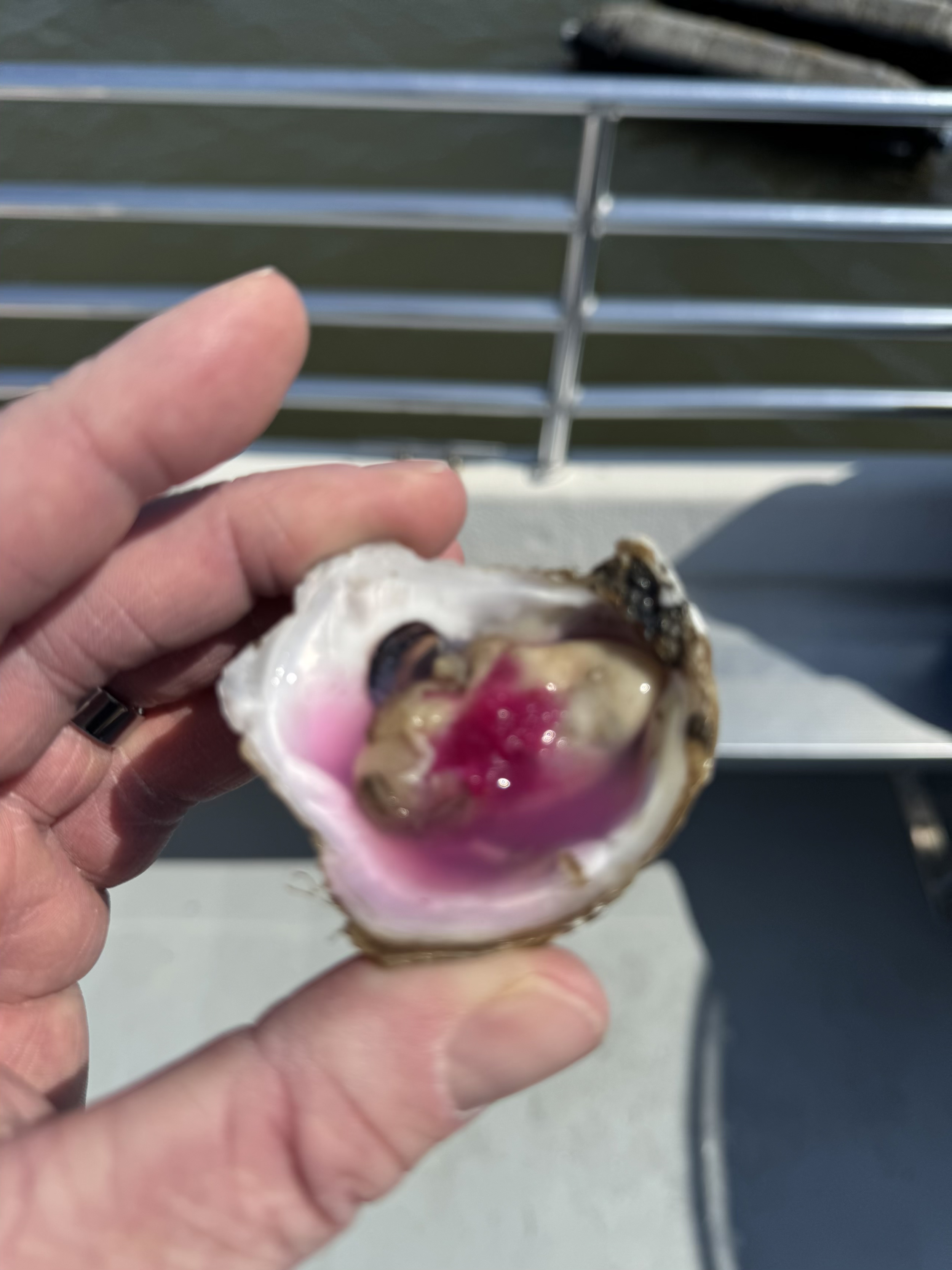
Charleston oysters are the same species found from the Gulf of Mexico to Canada. What makes them different is not genetics. It is place. Tides. Salinity. Water quality. Time. Tom describes his role simply. He creates the conditions. Nature does the rest.
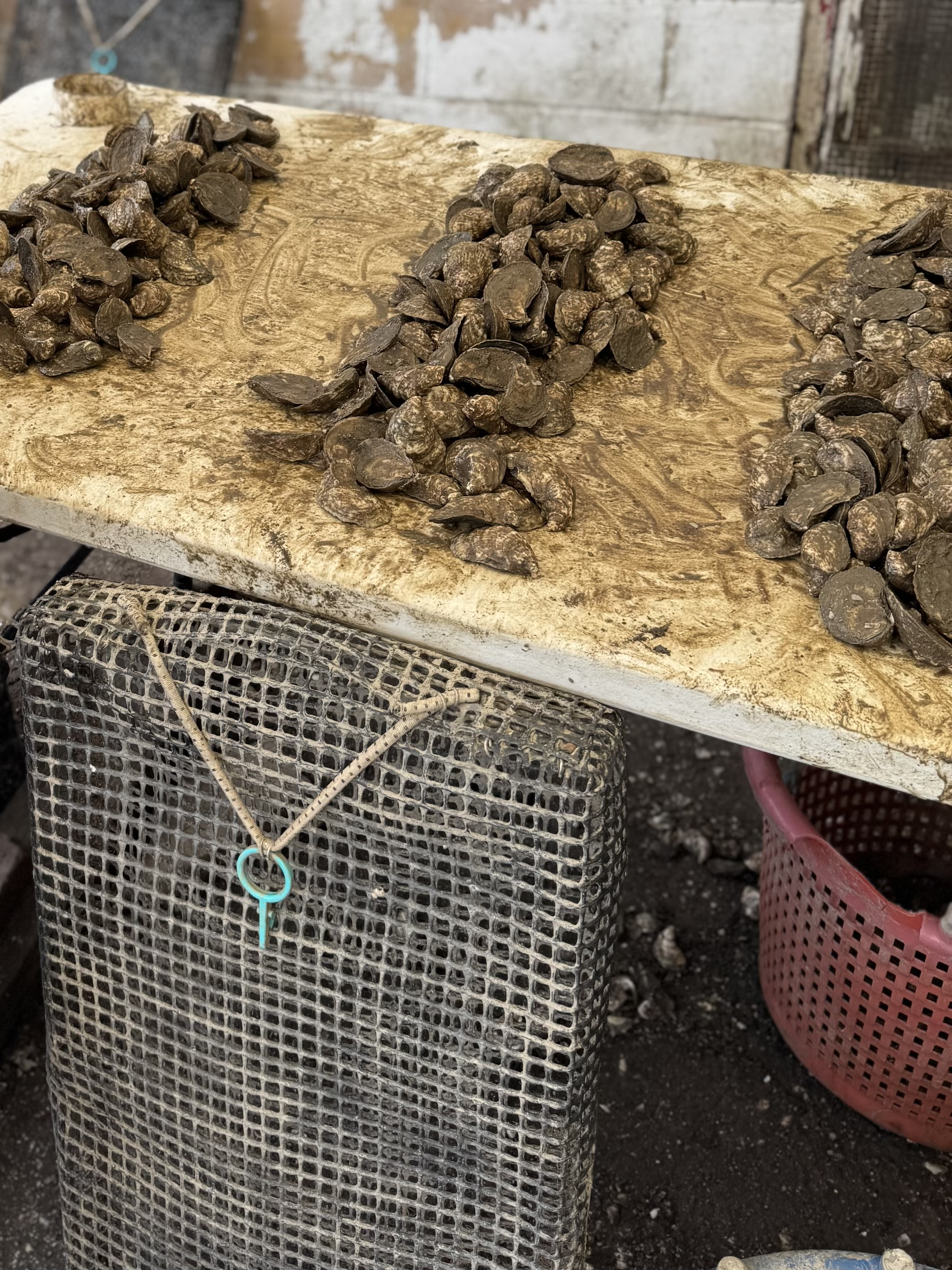
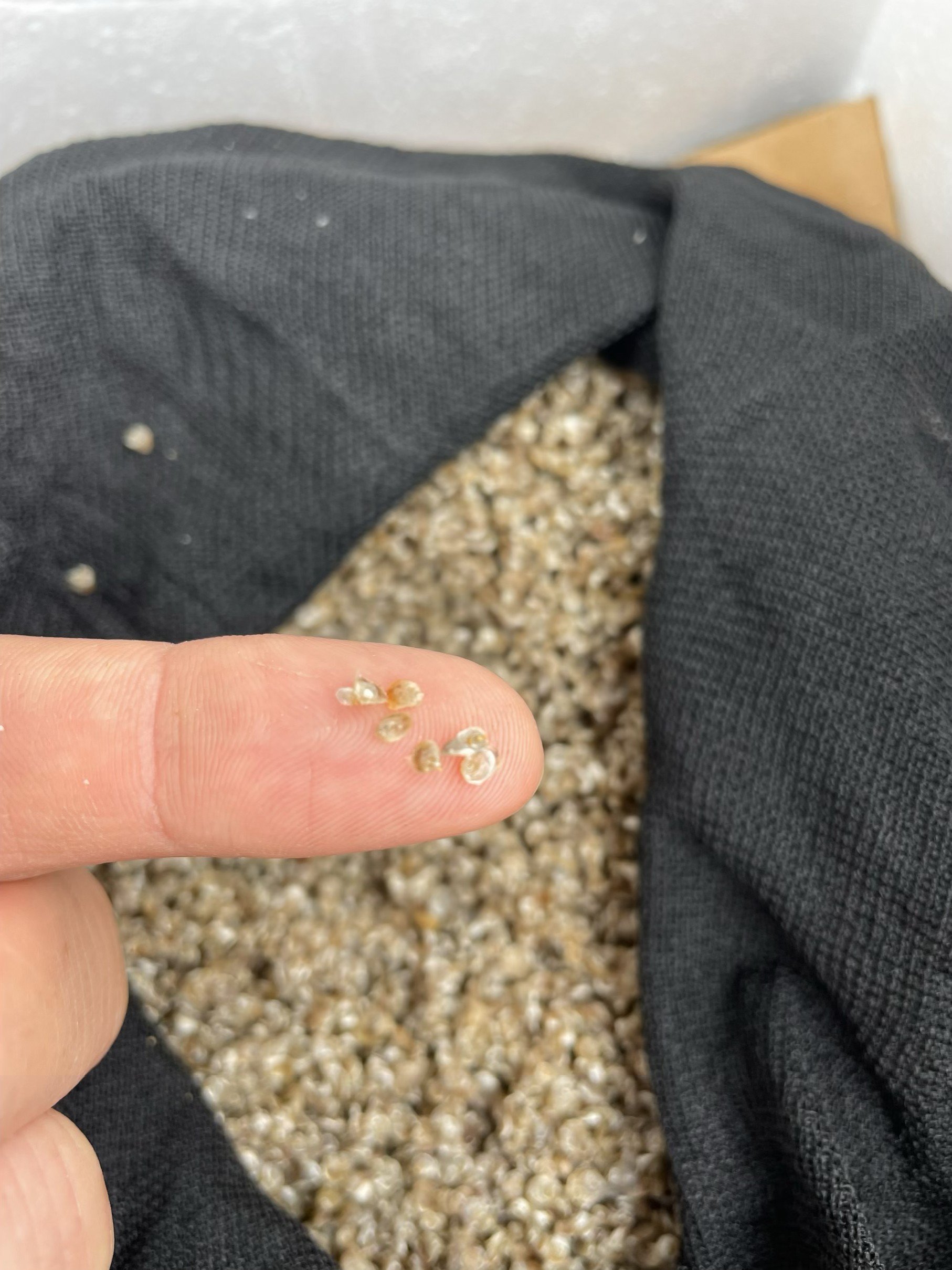
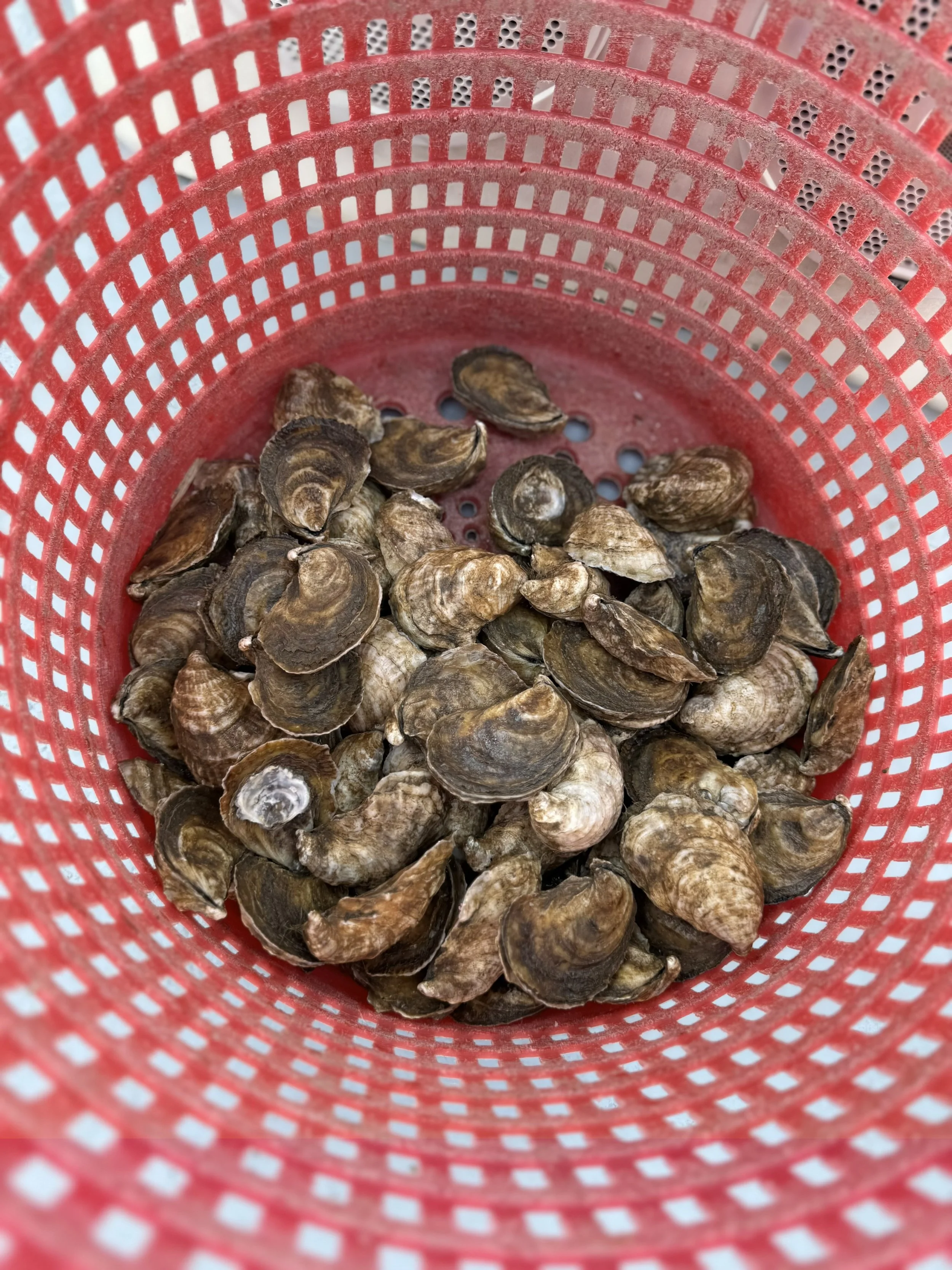
Triploid oysters form the backbone of the operation. They do not reproduce, which allows year round harvest and faster growth. From hatchery to nursery to floating cages, each stage requires constant attention. Cages are flipped weekly. Oysters are air dried to control wild spat and barnacle growth. They are tumbled repeatedly to build deep cups and thick shells.
Nothing is automated. Nothing is rushed.
The result is an oyster that reflects its environment honestly. Clean. Briny. Balanced. A product shaped by restraint as much as effort.
A Working Farm That Gives Back
An oyster farm does more than feed people.
Charleston Oyster Farm functions as a living nursery. Fish, shrimp, crabs, octopus, even juvenile lobsters take shelter among the cages. Dolphins follow the work boats, feeding as cages are flipped. Healthy reefs stabilize shorelines and reduce erosion in a region defined by sand and mud.
Oysters are a keystone species here. Without them, the Lowcountry would look entirely different.
Tom’s lease also carries responsibility. For every acre farmed, oysters must be replanted. Through shell recycling and green shell planting, Charleston Oyster Farm generates far more bushel credits than required. The goal is not extraction. It is regeneration.
This is aquaculture as stewardship. Not marketing language. Daily practice.
From Marsh to Table in Hours
When oysters reach market size, precision matters.
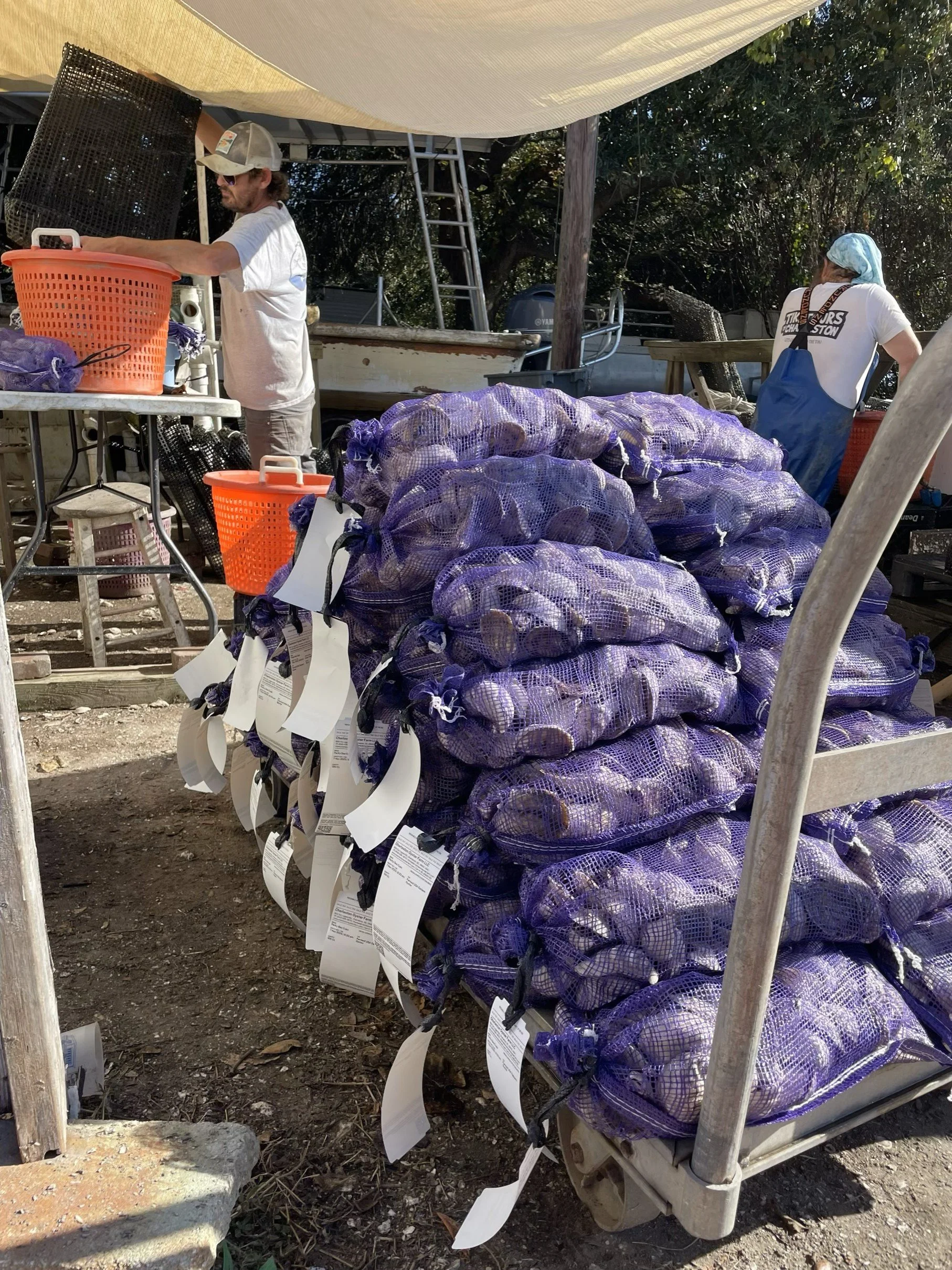
During warmer months, harvests must be completed before 10 a.m. Oysters must be cooled below 50 degrees within two hours. Each batch must remain fully submerged for at least 14 consecutive days before harvest. Everything is logged. Nothing is improvised.
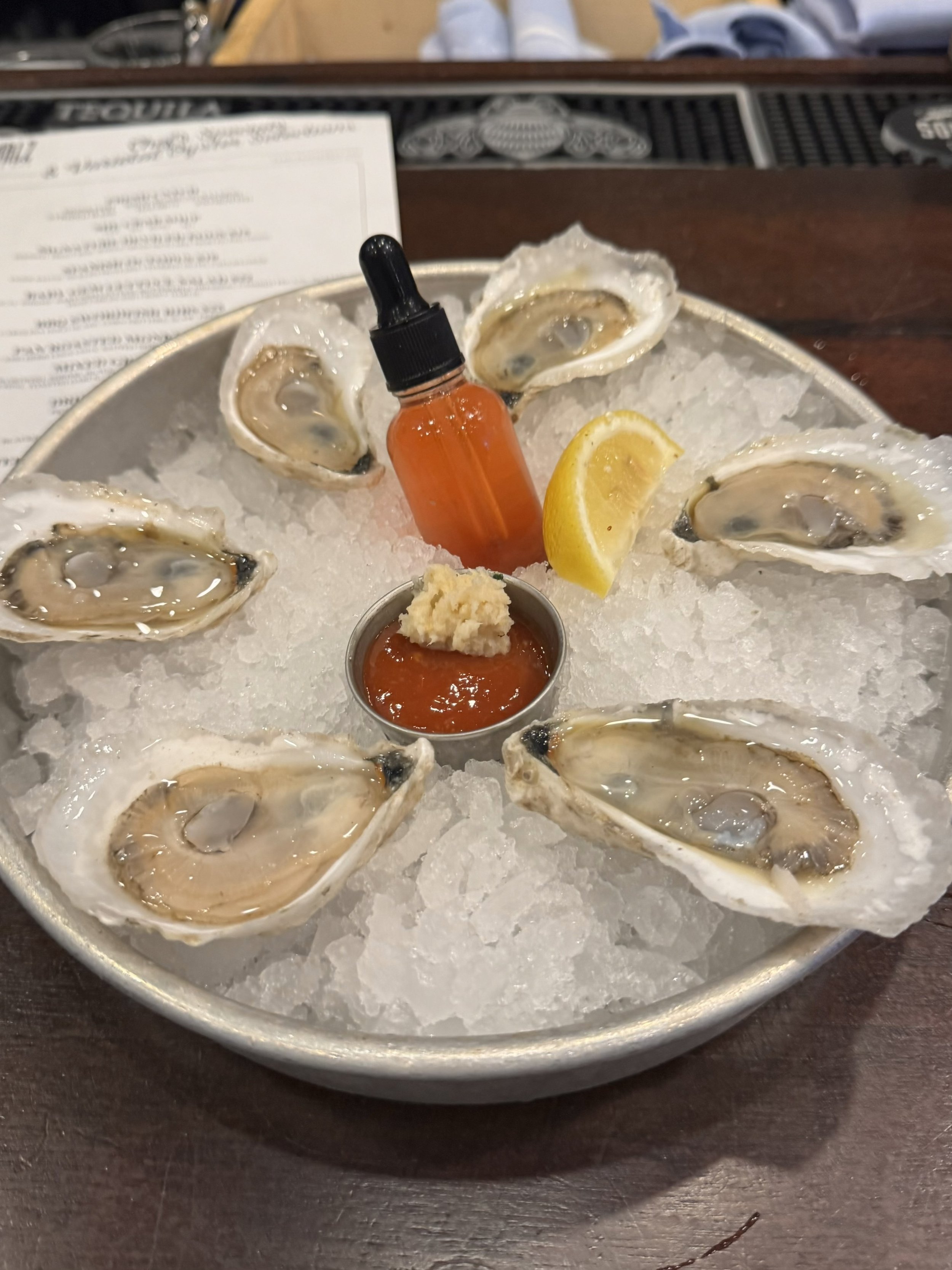
On a typical morning, Tom harvests thousands of oysters that will be served in Charleston restaurants the same day. Bowens Island. Chubby Fish. Raw Lab. The Harlow. Pearlz. Sometimes four hours pass between marsh and plate.
The varieties tell the story of the farm itself. Perky Sea Cups named for choppy conditions. Mosquito Fleet Petites honoring the Gullah Geechee fishing heritage of the working waterfront. Jumbos that stop people mid sentence when they hit the table.
Freshness is not a selling point. It’s the baseline.
Legacy Over Scale
Charleston Oyster Farm currently produces hundreds of thousands of oysters each year. The goal is not endless growth. It is durability.
Tom measures success less by volume and more by balance. Enough production to support his family. Enough margin to invest back into the farm. Enough restraint to let the ecosystem lead.
His children visit the shop. One helps sort oysters. The other prefers the beach for now. There is no pressure. Just proximity.
Like the oysters themselves, the operation is shaped slowly. By tides. By weather. By attention.
In a city celebrated for food, Charleston Oyster Farm reminds us that the most meaningful work often happens quietly, at water level, one careful decision at a time.
Life is too short to wait for someday.
Sometimes it is enough to build something honest and let it endure.
Plan your visit with our 48 Hours in Charleston Guide
Tour Charleston Oyster Farm
Never miss an update from Retire Southern