
Southern Character: Estate Planning without Pretension
There are conversations that feel less like interviews and more like a neighbor pulling up a chair at your kitchen table. Sitting down with attorney Mark Dearth in his Alpharetta conference room was exactly that.
What started as estate planning talk turned into music, family, fishing, raising teenagers, and a deep look at how good planning reflects the same values we celebrate across the South: responsibility, connection, and taking care of your people.
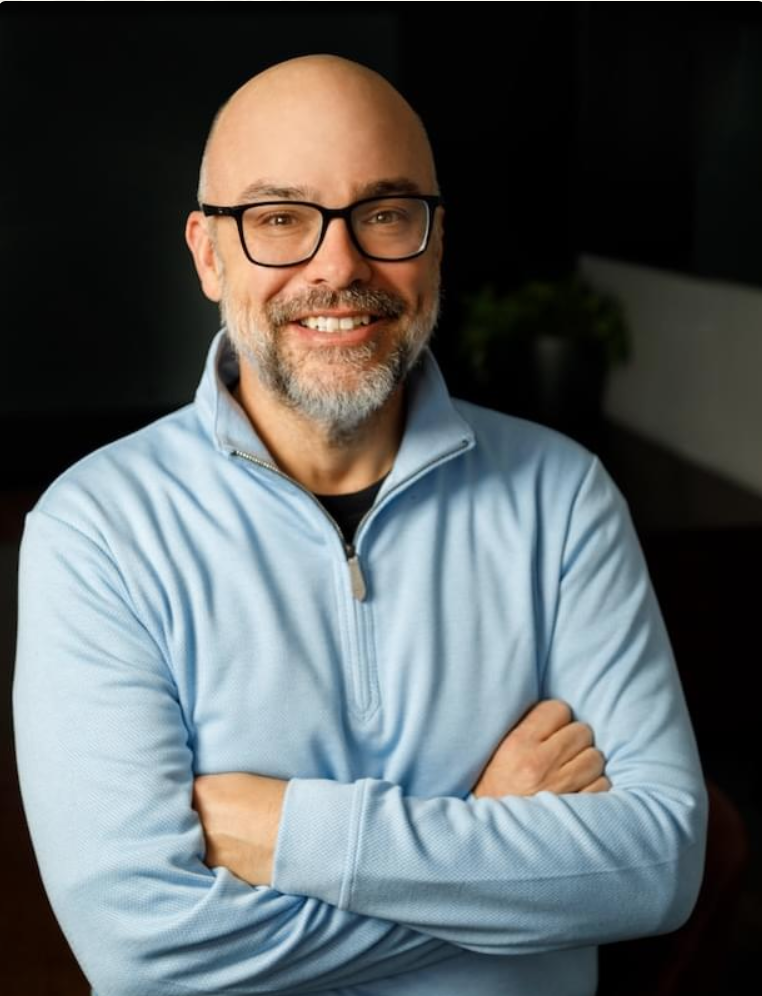
Before we ever pressed record, Mark and I were already comparing notes from summer trips. I had just returned from Cape San Blas with the kids. He had just come back from Las Vegas after seeing Dead & Company at The Sphere. Turns out we share a love for guitars, great songs, and the kind of live music that wraps memories around your heart.
And that is how this conversation unfolded.
Music to family.
Family to service.
Service to legacy.
Legacy to the real work of estate planning.
The Life Behind the Lawyer
Mark is one of those people who gives off a grounded steadiness. Husband to Jamie. Dad to two boys, ages sixteen and thirteen. Keeper of a household that somehow includes two dogs and four cats. A full on Milton menagerie.
His boys are musicians. Piano. Drums. Guitar. Bass. They have a dedicated music room at home, the place that was supposed to be a library but never quite made it.
Mark jokes that he cannot play a recorder from elementary school. His wife plays piano and helps the boys practice. The whole family is heading back to Vegas later this year so the kids can see the Dead & Company show for themselves. They are also catching Metallica in Chicago. When he told me that, I laughed and said what every Southern parent was thinking:
“Man, you are raising those kids right.”
That openness is the thread that runs through Mark’s entire story.
Mark grew up in Ohio until middle school when his family moved to East Cobb. He later went to the University of Georgia, where he majored in business. Jamie entered the picture thanks to a summer job his parents nudged him into. They told him to skip the old Applebee’s job in Marietta and try a brand new restaurant in Gainesville called Rio Bravo. That is where Jamie trained him as a new server. A year later they were dating. Before law school, she made the decision clear:
“We are getting married. I am not moving with a boyfriend.”
So they married young and headed to Stetson Law in St. Petersburg.
Mark finished law school in two and a half years. Jamie moved back to Georgia three months before he graduated to rejoin her company’s training division. Mark moved into the dorms. Other students assumed he was getting divorced. He was not.
He finished exams, drove straight back to Georgia and has practiced here ever since. Still married. Still grounded. Still laughing about that story.
Mark’s first job was at a Sandy Springs firm known for serving wealthy landowners across South Georgia.
This was back when the estate tax exemption was around one million dollars instead of thirteen million. Liquidity was tight. Planning was complex. Families needed real guidance.
That period shaped him.
But he always knew one truth: he wanted to serve people his way.
Growing up in the restaurant industry taught him more about service than any law textbook ever could. Return calls. Follow through. Show up. Make the person across from you feel seen.
Eventually the desire to build a practice aligned with those values pushed him to start his own firm. After an early partnership, he formed Dearth Law in 2020. A practice rooted in responsiveness, clarity and treating families with respect.
Some people are born entrepreneurs. Others discover they are unemployable in the best possible way. Mark might be both.
What Families Really Miss and Where Good Planning Begins
I asked Mark the question I ask any estate attorney:
“What do most families miss when they think about planning?”
He did not hesitate.
Organization.
Not legal language.
Not complex trusts.
Not tax structures.
Simple organization.
He talked about how spouses often split duties. One pays the bills. One handles the investments. Both trust each other. Neither knows where everything is.
Twenty years ago you could wait by the mailbox for six weeks and eventually every important document would arrive. Today everything is digital. Logins, portals, auto pay, statements tucked inside apps.
Without an organized system, your family is flying blind.
Mark is a big believer in password managers, shared access lists and clean data aggregation. He emphasized that well organized information removes roughly seventy percent of the heartache in an estate. And it sets the table for actual planning.
That alone is worth the price of admission.
In the Retire Southern universe, we like to keep financial topics simple. So I asked Mark whether the baseline really is:
A will, a durable power of attorney, and an advanced healthcare directive.
He smiled and tried to disagree for sport, but eventually gave the answer:
Yes. Start there.
Everything else is built on that foundation.
And when it comes to trusts, he never begins with documents. He begins with purpose.
Why do you think you need one?
Avoiding probate.
Privacy.
Blended families.
Asset protection.
State-specific law.
Tax positioning.
Only then does he structure the right type of trust. Revocable. Irrevocable. Grantor. Non grantor. Planning that fits the family instead of forcing the family into planning.
How Planning Really Works Across States and Situations
Mark is licensed in Georgia, Florida, Tennessee and North Carolina, which makes him a rare resource across the Southeast.
We talked about how probate differs by state.
Georgia is usually the easiest.
Florida is historically the hardest.
North Carolina and Tennessee trend toward trust based planning.
But even in Georgia, COVID created backlogs. Some counties took four to five months to open an estate. For the first time in his career, Mark has begun recommending revocable trusts more often to avoid those delays.
We also explored portability.
What happens if you leave Georgia and become a resident of North Carolina while still owning property here?
Your documents remain valid, but your powers of attorney and advanced healthcare directive should be updated to the state where you live. Hospitals work faster with their own forms. And if you die owning real estate in more than one state, you may have probate in each state unless planning removes that burden. Trusts and LLCs are powerful tools for that.
One of my favorite Mark-isms is something I repeat often in my own practice: Protect your family from creditors and predators.
Mark laughed and said he probably stole that phrase from someone else. Either way, it is true.
LLCs, certain types of irrevocable trusts and strategic titling can strengthen your defense against lawsuits, claims and risk. It is not paranoia. It is stewardship. And stewardship is a Southern value.
Home, Roots and the Southern Way Forward
Toward the end of our conversation, we drifted back into family and the future.
Mark believes Georgia will always be home. His parents are still at Lake Lanier. His boys are learning to drive and rehearsing in a music room that was never quite a library.
He loves Montana.
He loves the Keys.
He loves Nashville and the North Carolina mountains.
But he expects Georgia to always hold a footprint in his life.
Travel more. Stay grounded. Keep your roots in reach.
That is Southern living at its finest.
Connect With Dearth Law
If your family needs help with estate planning, tax strategy or legacy design, you can learn more at: www.dearthlaw.com
Mark prefers to begin with a balance sheet and your existing planning so the first conversation is both personal and practical. Families appreciate that preparation. It reflects the way he works and the way he serves.
And that is why he embodies Southern Character.
This information is provided to you as a resource for informational purposes only and is not to be viewed as specific recommendations. This information is being presented without consideration of the financial circumstances of any individual and might not be suitable for everyone. This information is not intended to, and should not, form a primary basis for any decision that you make. Always consult your own legal, tax, or investment advisor before making any financial planning considerations or decisions. The views and opinions expressed are for educational purposes only as of the date of production and may change without notice at any time based on numerous factors.