
Serenbe: A Community Built on Radical Common Sense

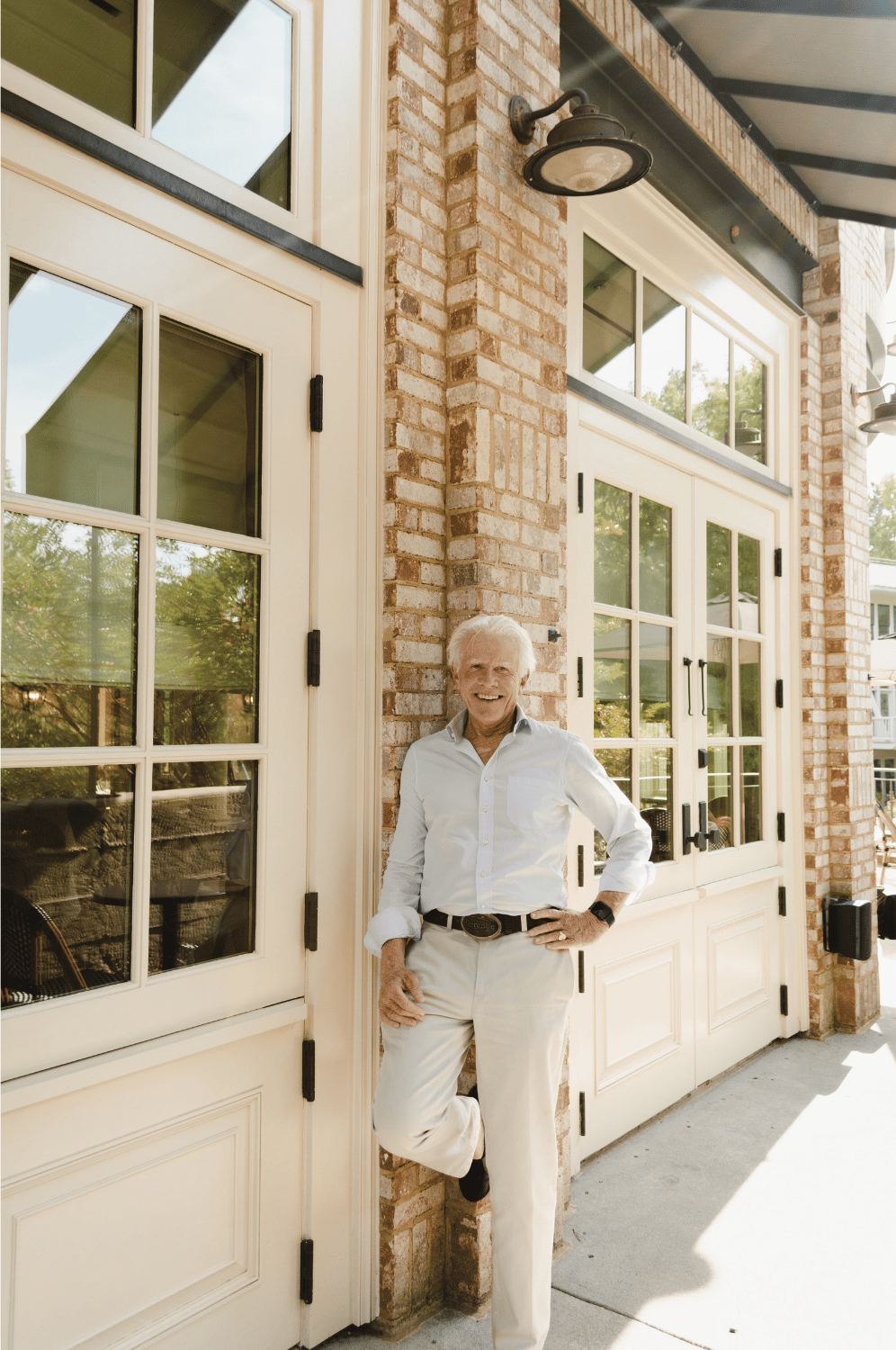
How one man’s wake-up call became a blueprint for intentional, nature-connected living.
There is a moment in every meaningful story when the direction shifts. A moment when life nudges you toward something you never expected.
For Steve Nygren, that moment happened on a quiet piece of farmland southwest of Atlanta. He and his wife Marie drove down to show their daughters a few farm animals. Nothing serious. Nothing planned. But as Steve laughs today, “They had the Shetland pony saddled… and we bought the farm.”
That spontaneous visit became the seed for Serenbe, one of America’s most admired wellness communities. People around the world study it for its biophilic design, walkability, food systems, preservation model, and multigenerational living. But it didn’t start as a master plan. It started as a family looking for space to breathe.
The land had something else in mind.
The Bulldozer That Changed Everything
Years later, Steve was jogging with his daughter along the property line when they reached a hill and saw a bulldozer flattening the forest next door. The sight hit him hard.
“That was my wake-up call.”
Development was coming. Fast. The easy option would have been to move farther out, just like other families who kept chasing open land. But Steve felt something deeper. He had watched Atlanta sprawl north for decades. This land was some of the last untouched acreage near the city. If he did nothing, it would disappear.
He tried calling preservation groups. He tried calling landowners. The response was always the same: help wasn’t coming.
Then a friend told him the truth.
“There isn’t anyone. That’s why you have to.”
That sentence transformed Steve from restaurateur into community builder. Not to maximize profit, but to save the land and create a healthier way of living.
A Vision Rooted in Common Sense
Serenbe began as a feeling. It began with the simple desire to live in a way that honored nature and human connection. Steve didn’t want to build another subdivision. He wanted to build a place where people could breathe, walk, gather, grow food, and feel like they belonged.
“Serenbe is a place that connects people to nature and to one another,” he told me. “It sounds simple, but we don’t see that anymore in America.”
He protected 70 percent of the land.
He prioritized walkability.
He integrated farms, trails, green space, and wellness practices.
He reintroduced the idea of the front porch as a community builder.
This wasn’t marketing language. It was intentional design built on common sense and a belief that healthy communities create healthier people.
Over time, visitors didn’t just see the difference. They felt it.
“It’s the Freedom.”
One of the most telling stories in the entire Serenbe journey comes from Steve’s daughter. Shortly after the move, he asked her if she was glad they left their home in Ansley Park. He expected her to talk about the pony or the space.
Instead, she said, “It’s the freedom.”
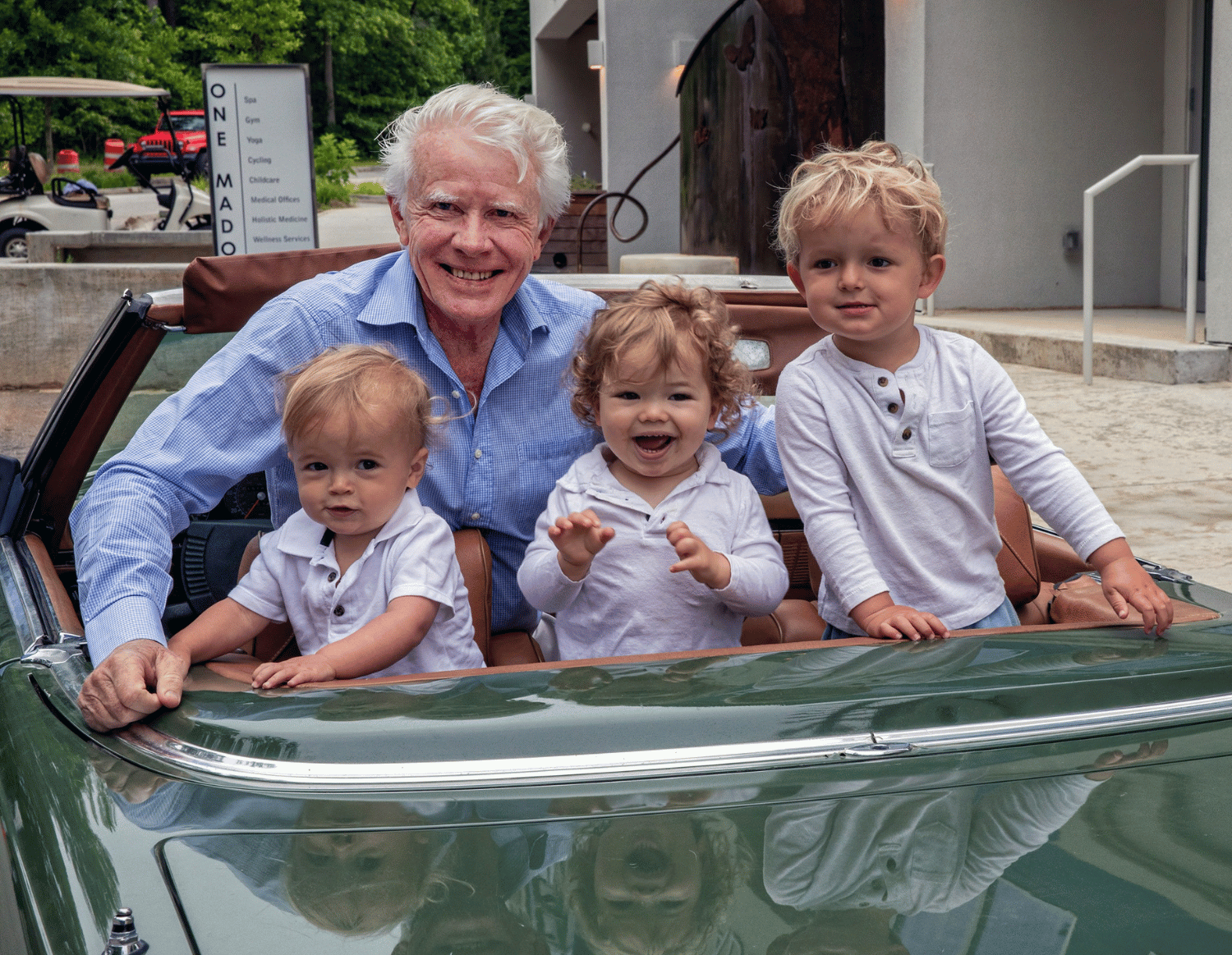
That word sits at the center of everything Serenbe represents. Freedom to explore. Freedom to walk to dinner. Freedom for children to grow up outdoors. Freedom for elders to stay connected to daily life instead of being isolated.
As Steve puts it:
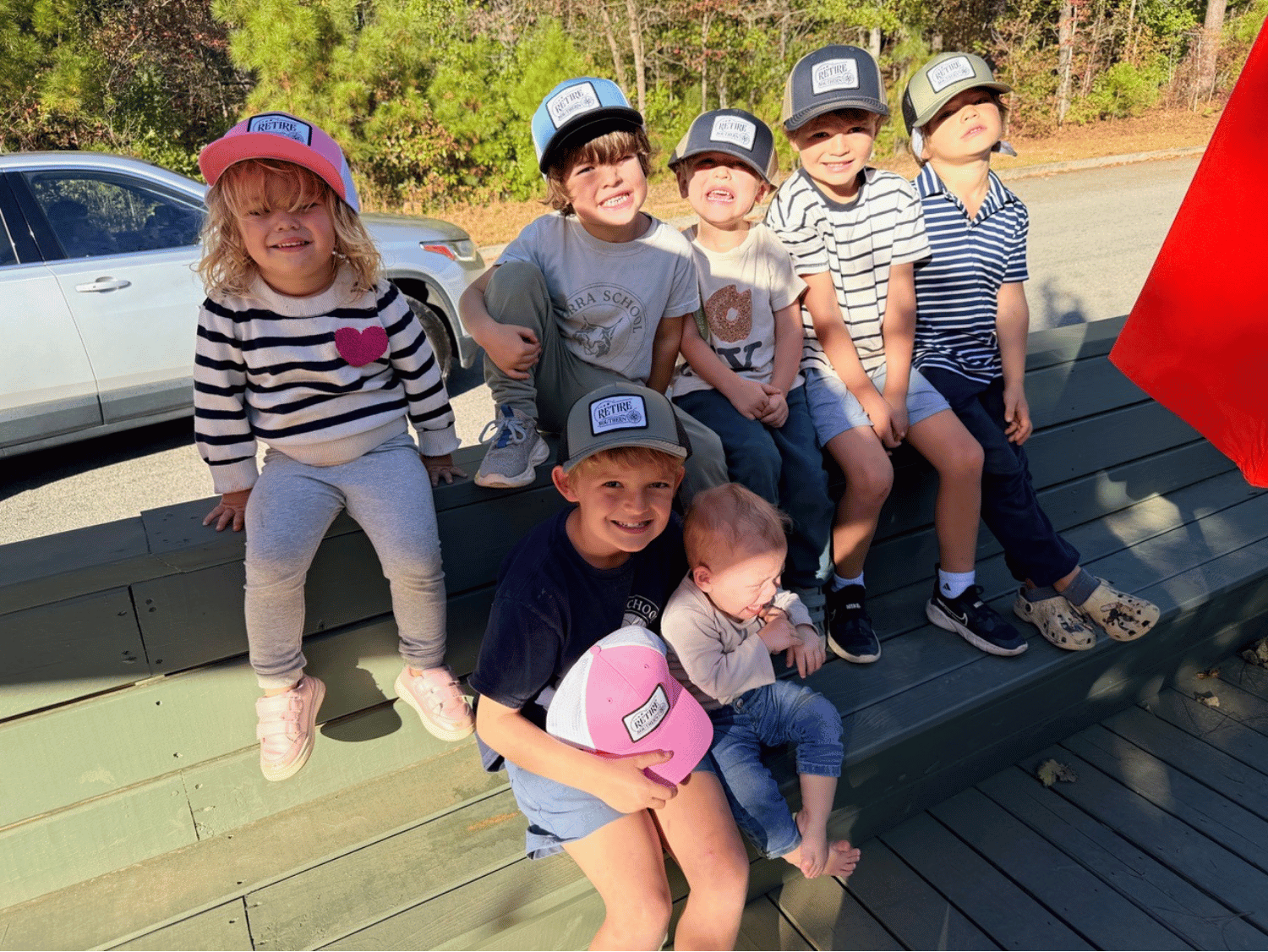
“We have free-range kids and uncaged elders.”
If you visit, you see exactly what he means. Kids biking to friends’ houses. Grandparents chatting on porches. Neighbors walking through wooded paths to coffee or dinner. People from all stages of life living in a way that feels natural and grounded.
The Community That Built Itself
Ask Steve how he pulled this off and he often says he didn’t. The land shaped the choices. The people shaped the evolution. The community grew because the guiding principle was strong enough to stand on its own.
He calls it radical common sense.
Protect the trees.
Build walkable streets.
Grow food locally.
Design homes that face each other.
Create spaces where people naturally meet.
Make nature accessible from every threshold.
These aren’t groundbreaking ideas. They are timeless ones. And maybe that is why Serenbe resonates so deeply. It reconnects us with the way humans are meant to live.
Serenbe has become a global model for environmental stewardship, sustainable development, wellness travel, and intentional community design. Yet its greatest impact still shows up in the small stories.
The couple who told Steve, “Moving here saved our marriage.”
The parents who watched their kids thrive outdoors.
The individuals who found their way back to health and presence.
The visitors who came for a weekend and left imagining a different kind of life.
Serenbe preserved more than land. It preserved possibility.
“Start in Your Own Backyard.”
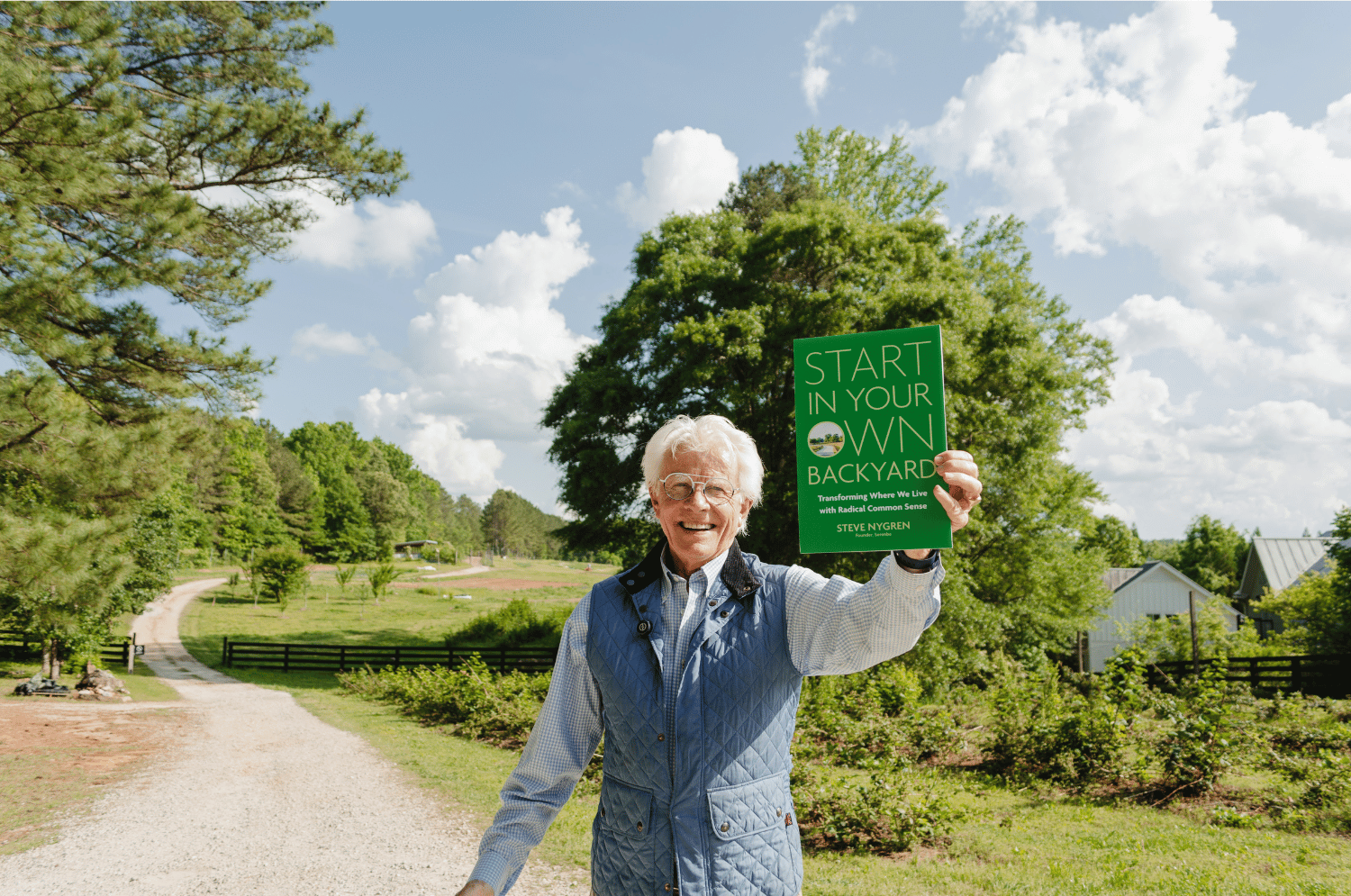
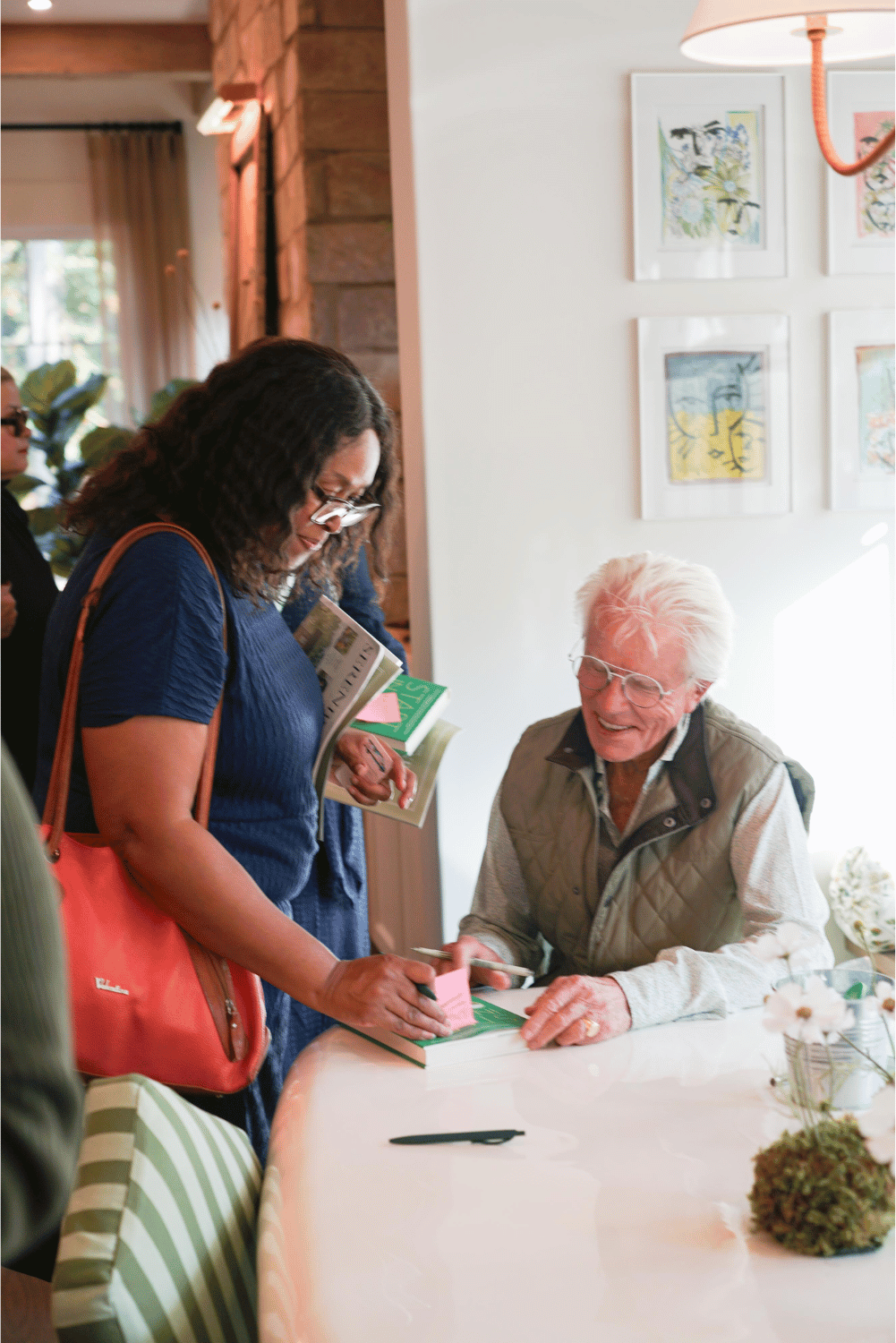
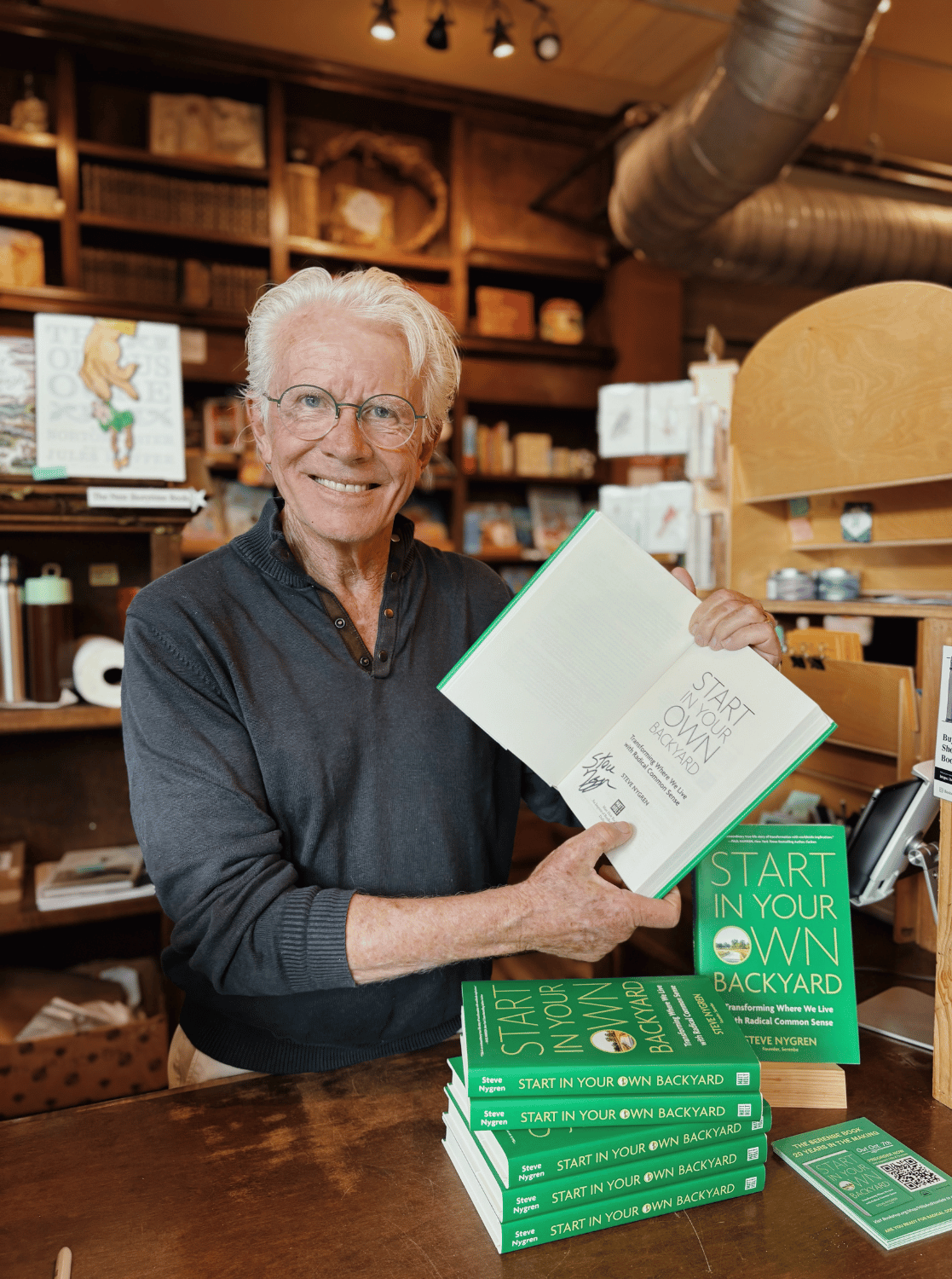
Steve’s new book, Start In Your Own Backyard, offers a path for people who want to make a difference but don’t know where to begin. His message is simple.
“Stop waiting for someone else to fix your life. Look at where you have influence. That’s your backyard. Start there.”
Your backyard might be a garden, a neighborhood, a team, or a community. Large or small, it is where change can begin.
Visit Serenbe and Experience It Yourself
There is a reason travelers fly from around the world to experience Serenbe. The moment you arrive, you notice something shift. The air feels different. The energy slows. The edges soften.
You breathe deeper.
You walk easier.
You feel more at home in your own body.
Plan your visit:
Get the book:
Never miss an update from Retire Southern: Subscribe below!