
An Oyster Shell Map to Bordeaux and San Sebastian
A Copycat Guide Pulled from Conversation, Memory, and Appetite
Some trips are planned.
Others are summoned.
This one was reborn in Charleston, while Harry and I were experiencing marine cuisine and drinking from the porron at Raw Lab. As Kevin Joseph talked about the Basque Country and the way food anchors culture there, something clicked. Harry paused, then started talking about his father’s friend Russ, who used to knock around San Sebastián with Ernest Hemingway, and later handed him a handwritten list of favorite local haunts like an ancient treasure map.
Maybe it was the porron.
Maybe it was the oyster flight and the caviar trip.
Or maybe it was Russ.
Who knows.
What matters is this. Something in Harry flickered back on. What follows is how to do it, through Harry’s eyes, at Harry’s pace, tied up neatly in an oyster shell.
Why This Place Never Lets Go
Harry first went to San Sebastián more than 20 years ago. It immediately stood apart for its food, cultural travel, and history.
It started early. His parents introduced him to food and wine young, and travel followed. By the time Spain entered the picture, it was already inevitable.
Russ was one of Harry’s father’s best friends. Long before Harry ever went, Russ was spending time in San Sebastián eating tapas, drinking wine, and hanging out with Hemingway himself. Hemingway became Harry’s favorite author. Harry read every book. Spain lodged itself permanently in his imagination.
When Harry finally made his first trip to San Sebastián, it already felt familiar. Going back decades later was not nostalgia. It was unfinished business.
Getting There Without Overthinking It
Harry kept it simple.
He flew from Atlanta to Paris Charles de Gaulle, then connected to Bordeaux. Total air time was roughly eight to nine hours. The final flight felt more like landing in Asheville than a major international airport. Small. Quiet. Surrounded by countryside.
No currency exchange ahead of time. Credit cards with no foreign transaction fees. Debit card for ATMs. Global Entry for the return.
This was also the first international trip where Harry used a travel advisor, and it showed. Transfers, trains, private drivers, and day trips all ran smoothly from start to finish. He worked with Kim Aschmeyer, who handled the logistics without turning the trip into a group tour or overplanned experience. Everything flowed exactly as it should.
Bordeaux Through Harry’s Eyes
Harry stayed at Le Grand Hotel Bordeaux by InterContinental, an old royal residence right in the center of the city. Walkable. Historic. Calm.
Day One
Old Town Bordeaux reveals itself slowly. Pale stone buildings. Faces carved into facades. Medieval walls still peeking through modern streets. It feels like a smaller, more welcoming Paris sans the Parisian attitude.
A city designed for wandering, best experienced on foot with no real agenda.
Day Two
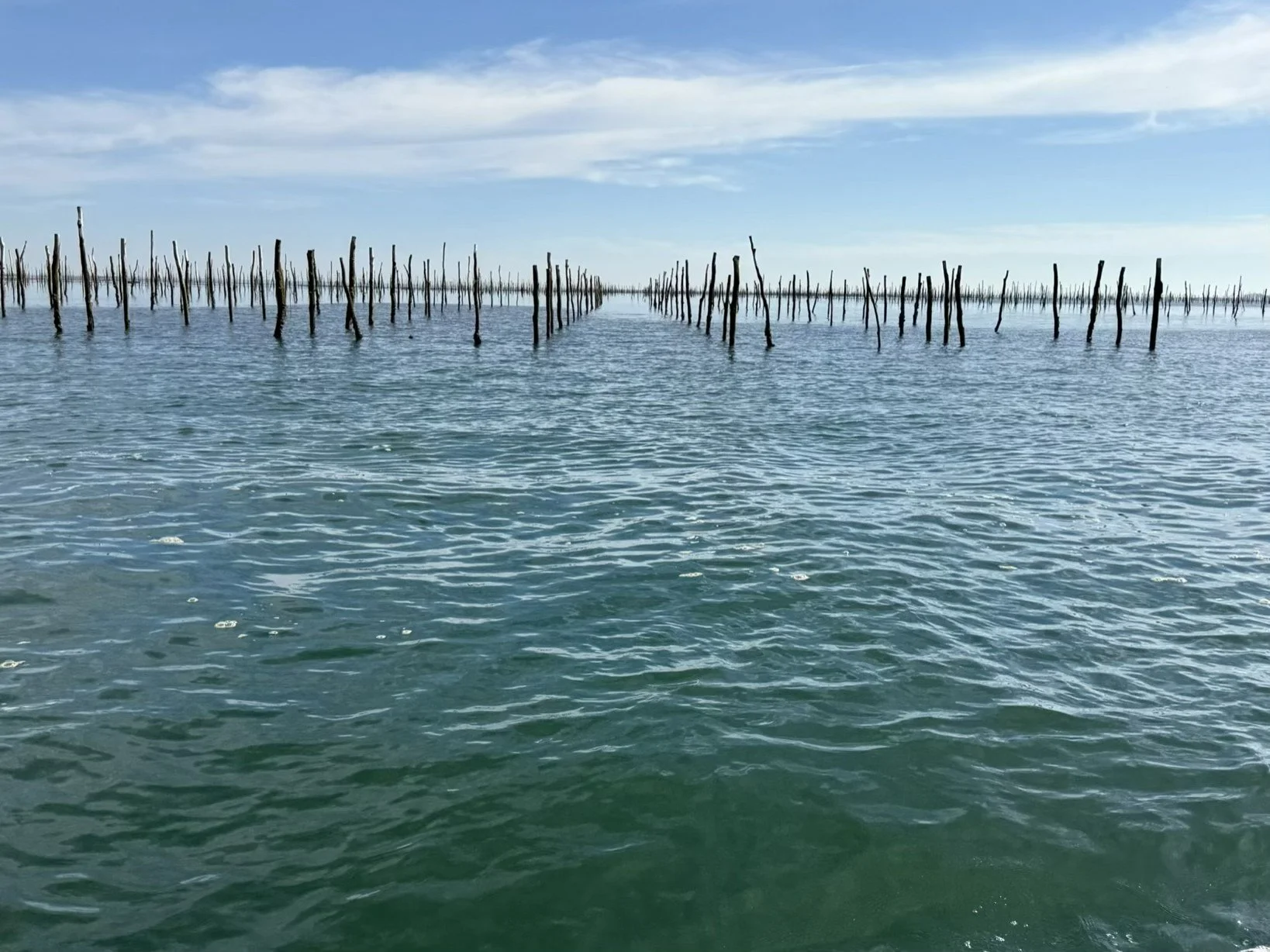
A private driver headed west to the coast. Napoleonic era oyster farms rose from tidal flats. Wind rolled in off the water. Early fall air hovered in the low 60s. No summer crush. No crowds.
Oysters came straight from the water. Dense and briny. Paired with chilled white Bordeaux while drifting by boat through the beds. One of Napoleon’s own oyster houses still stands nearby.
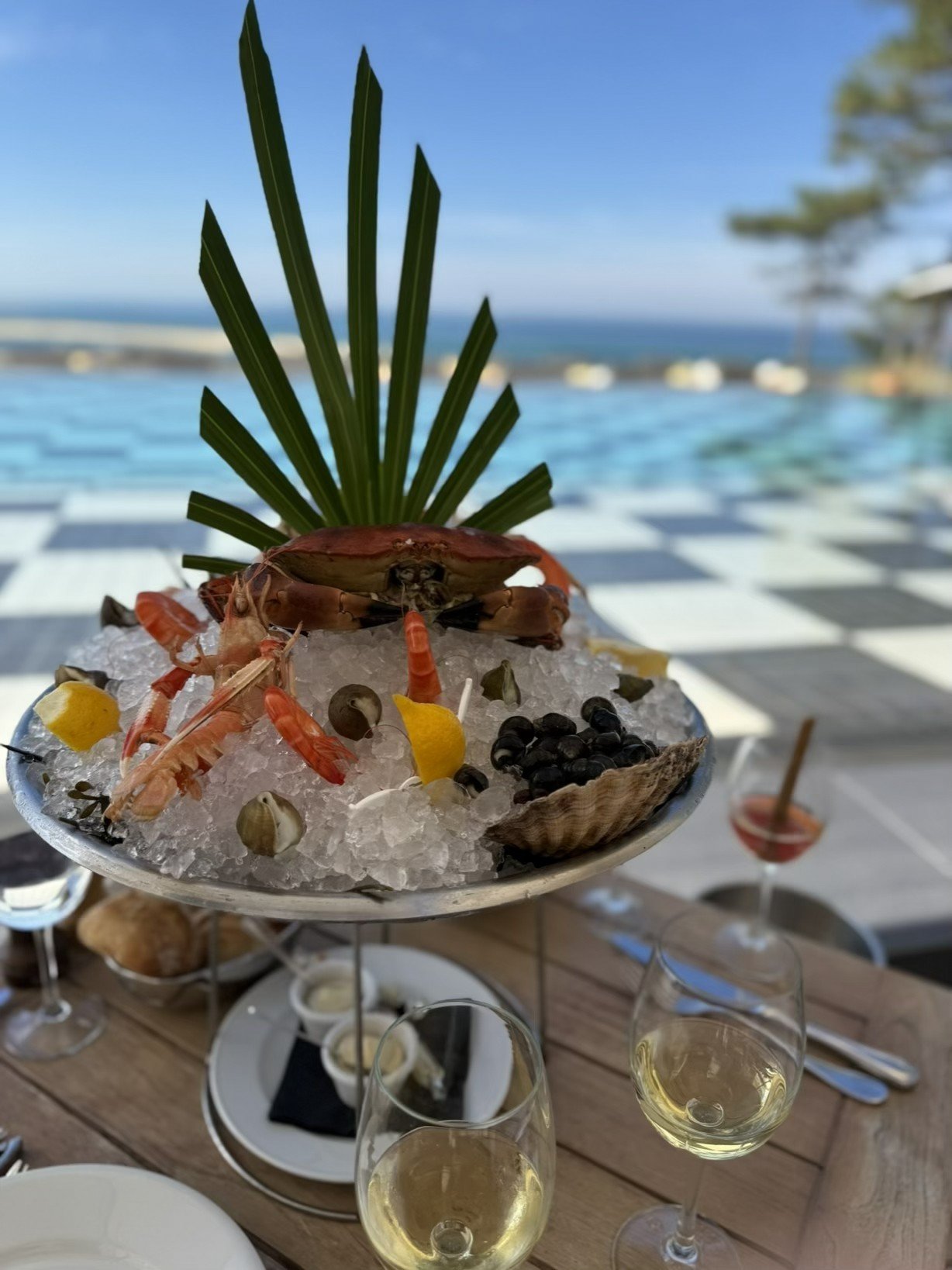
Lunch followed with massive seafood towers along the coast. Then a climb up the Dune du Pilat, one of the tallest sand dunes in Europe. Sand. Wind. Water. Sky.
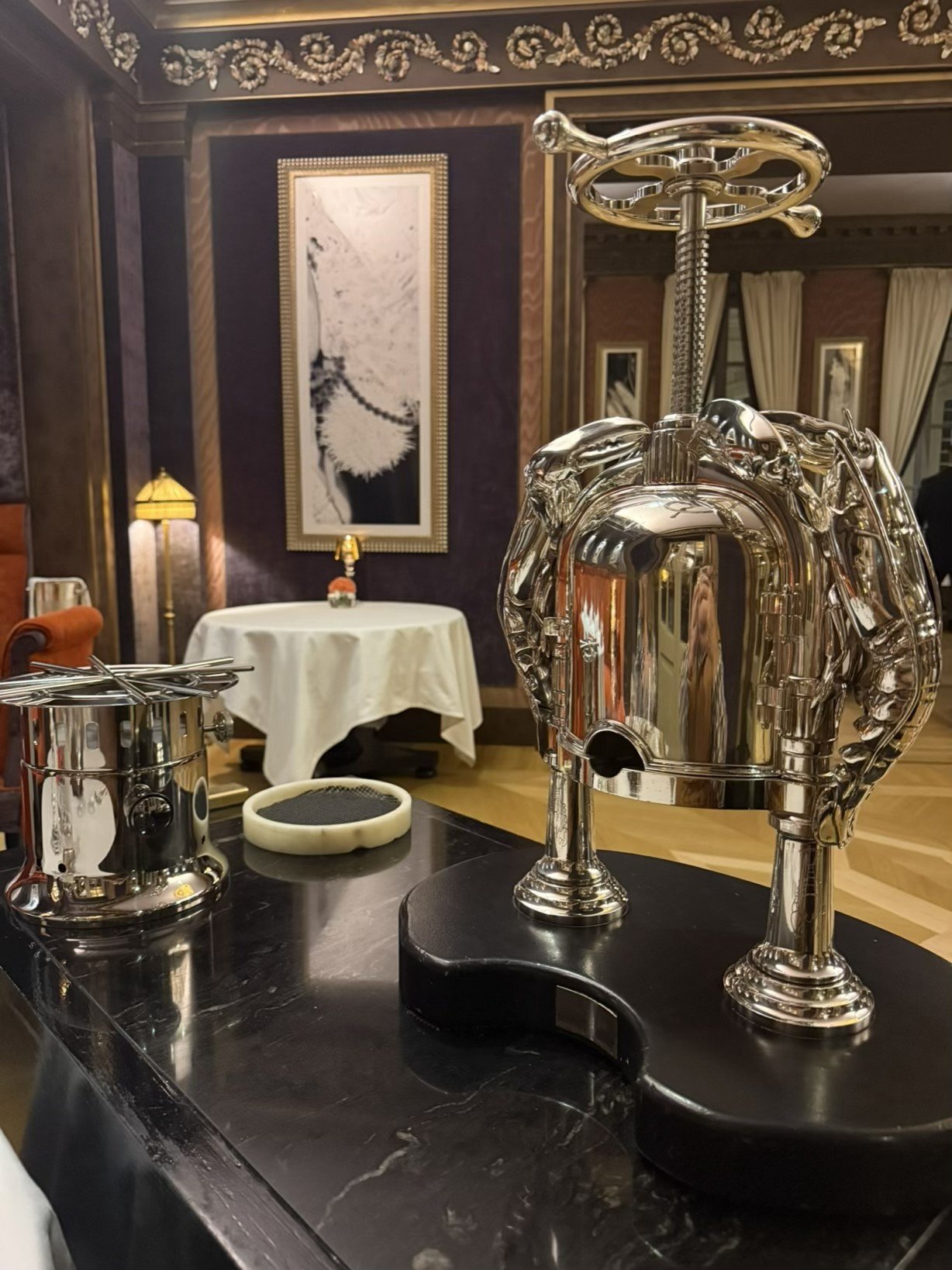
Back to Bordeaux for coffee. That night ended at Gordon Ramsay’s Le Pressoir d’Argent. Lobster pressed tableside. Lobster jus poured from silver presses. Truffles shaved generously. Harry’s first two Michelin star meal. The lobster stole the show.
Day Three
Wine country without the noise.
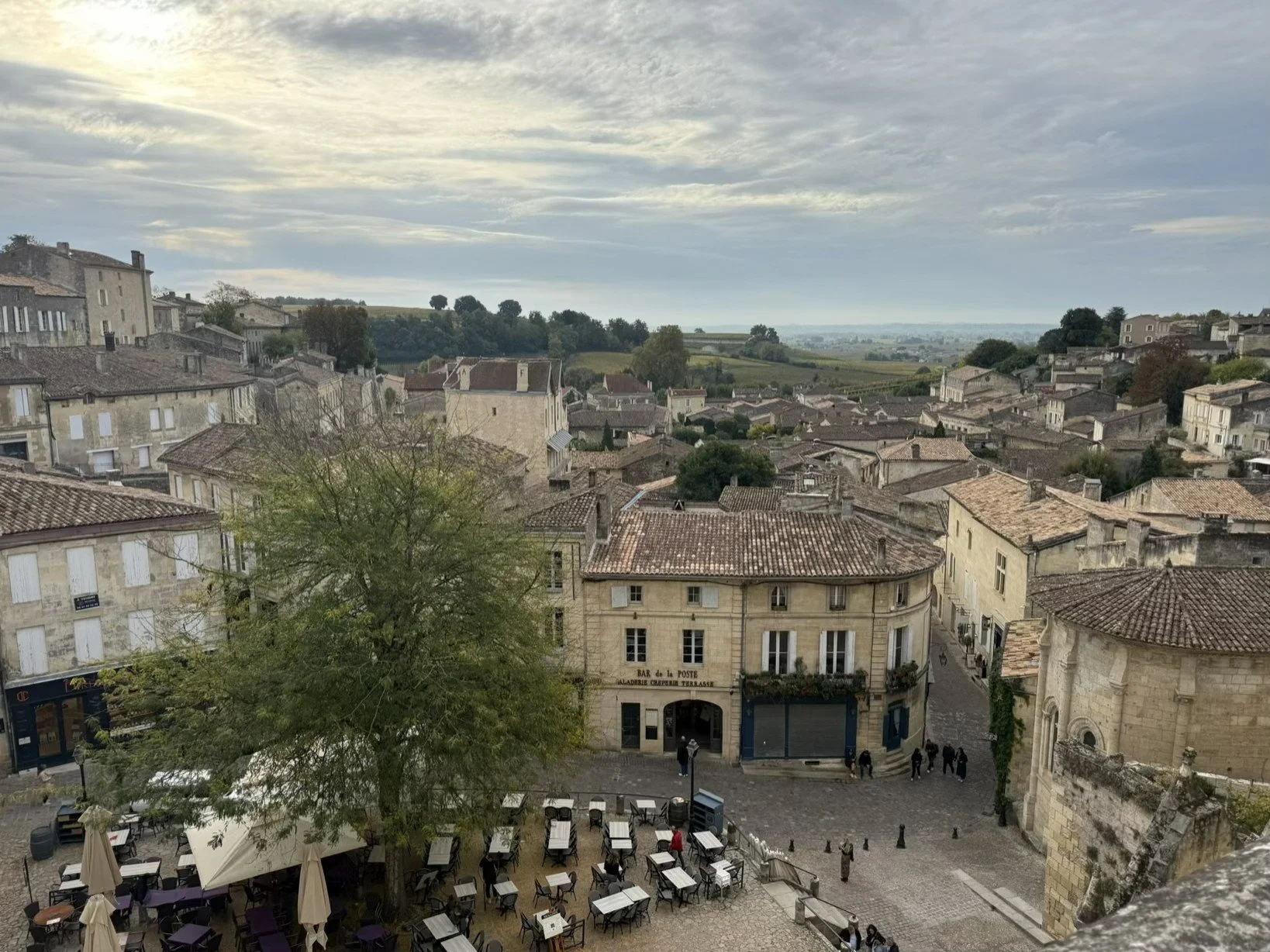
Rolling countryside. Quiet roads. Vineyards that do not announce themselves.
The day centered on Couvent des Jacobins, a 13th century Dominican monastery built to welcome pilgrims traveling the Camino de Santiago. Thick limestone walls. Arched cloisters. Hand carved stone worn smooth by centuries of footsteps.
Beneath the courtyard lie ancient underground cellars carved directly into the rock, where wine still ages in silence. Above ground, the old refectory now hosts intimate tastings and cooking classes that blur the line between history lesson and meal.
Harry and Deb cooked and ate where monks once lived and prayed, sharing a long table, a few bottles of wine, and the rare luxury of time with nowhere else to be. Pan seared duck with a wine and fruit reduction. A shrimp starter with subtle Thai influence. Local wines poured generously, drawn from the limestone caves beneath their feet. It was immersive rather than performative, a place where time collapses and history becomes tactile.
Back in Bordeaux that evening, Harry noticed something small but telling. Door knockers. Every color. Every shape. Hands, faces, symbols. Bordeaux still speaks through iron.
South by Train With a Baguette
The train from Bordeaux to San Sebastián takes about three hours. Ham sandwiches. Baguette. French wine.
At the border, trains change due to different track widths, a remnant of centuries old border strategy.
Then suddenly, Basque Country.
San Sebastián, Where Food Is the Point
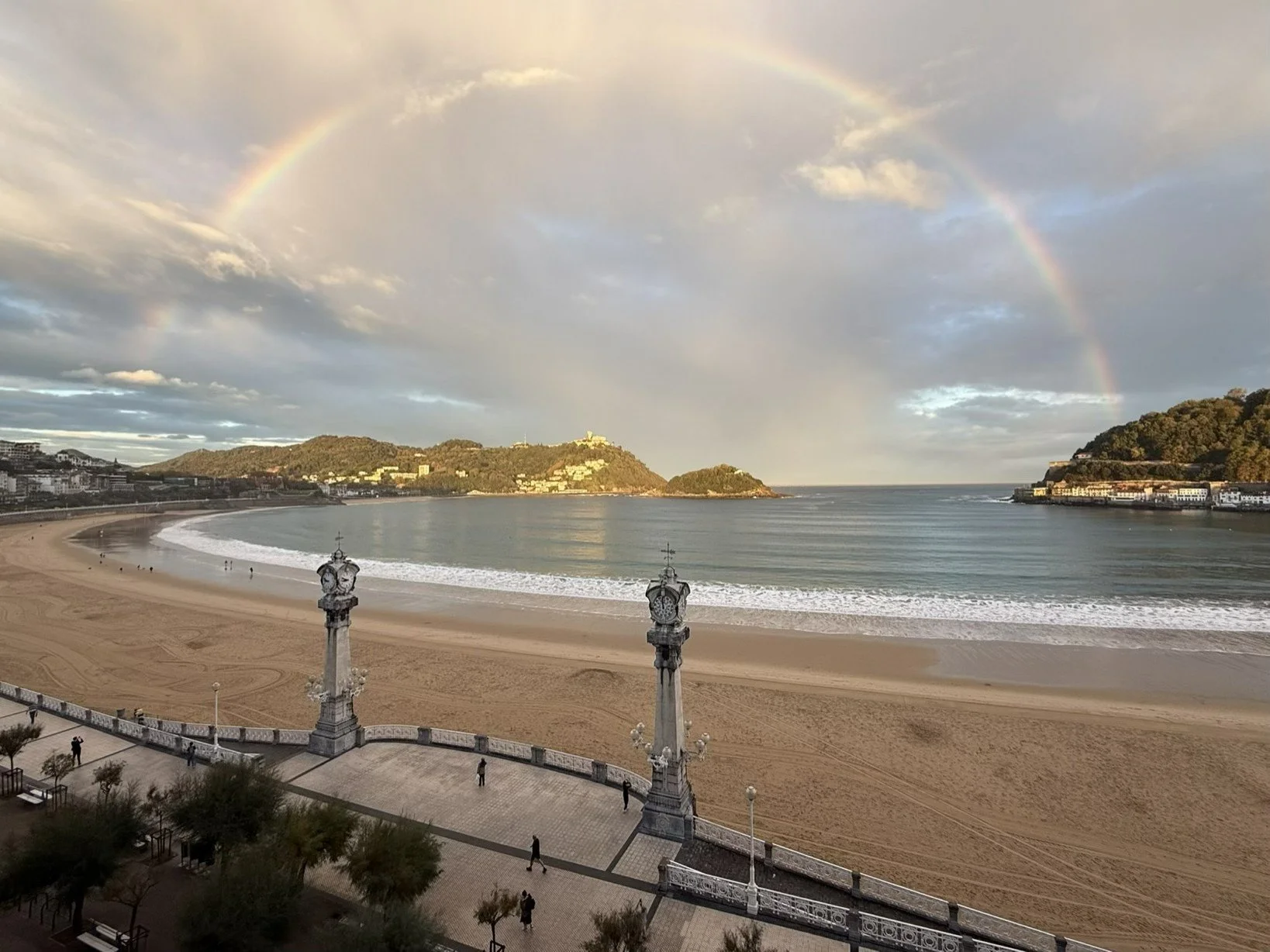
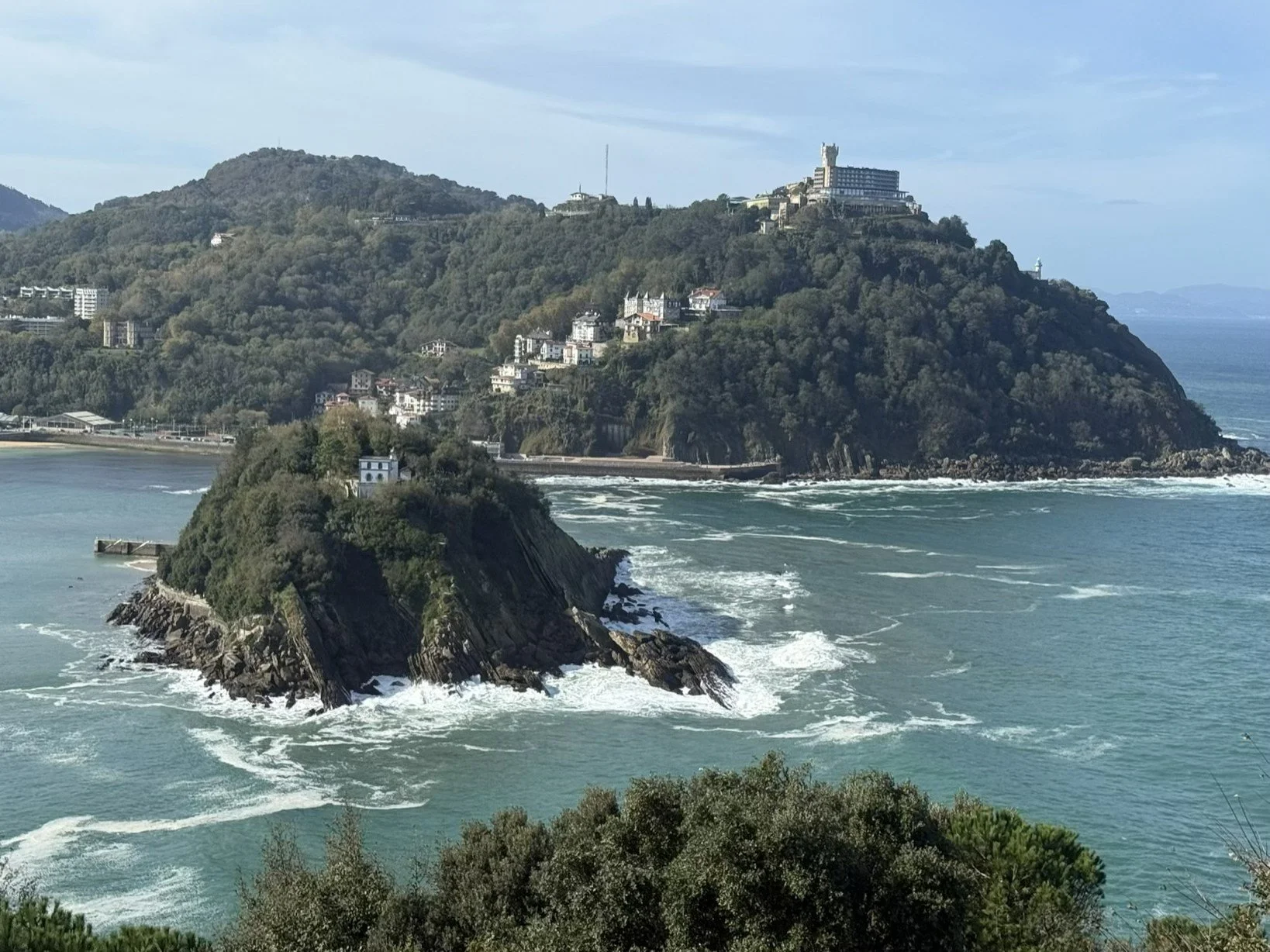
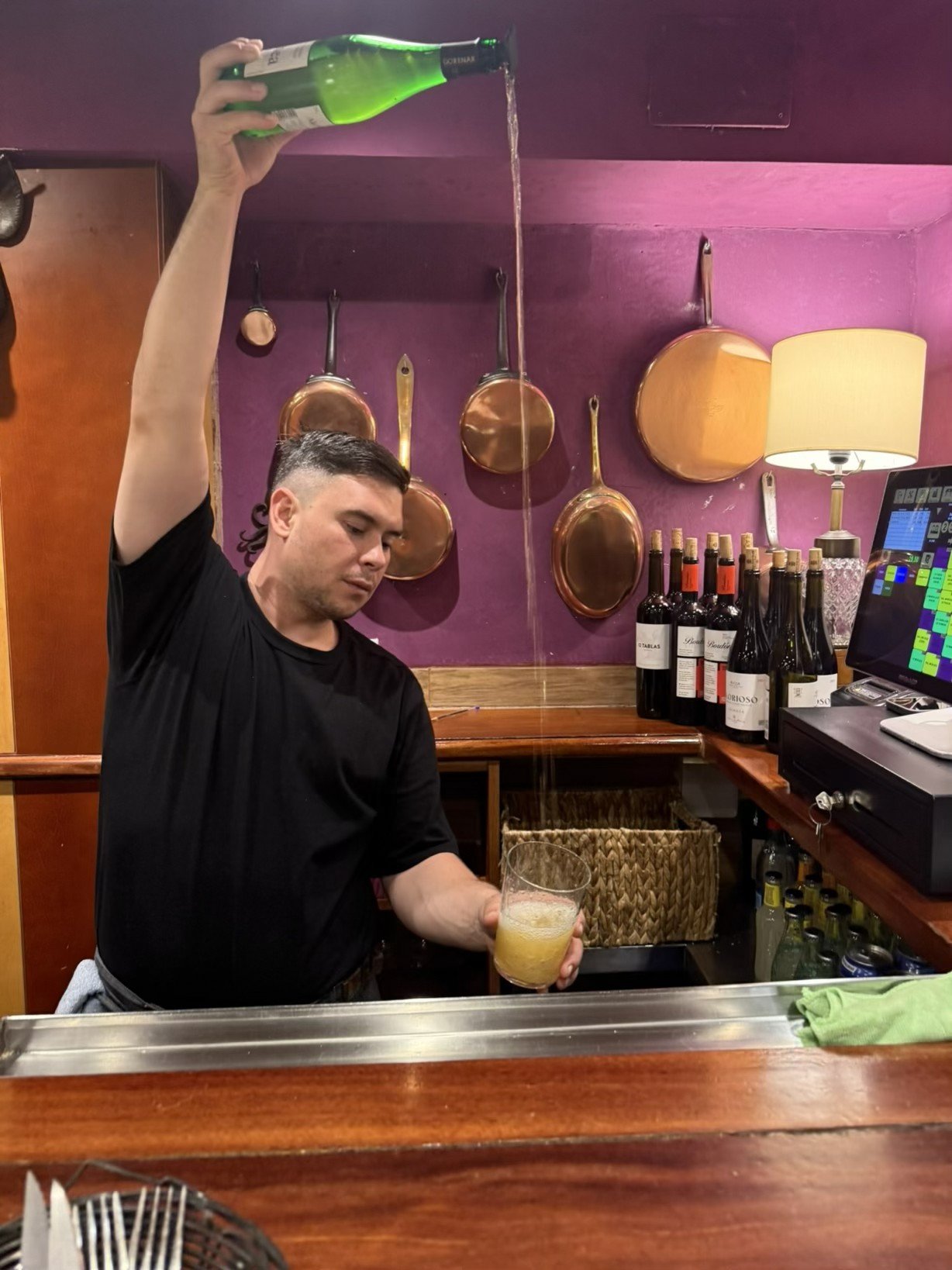
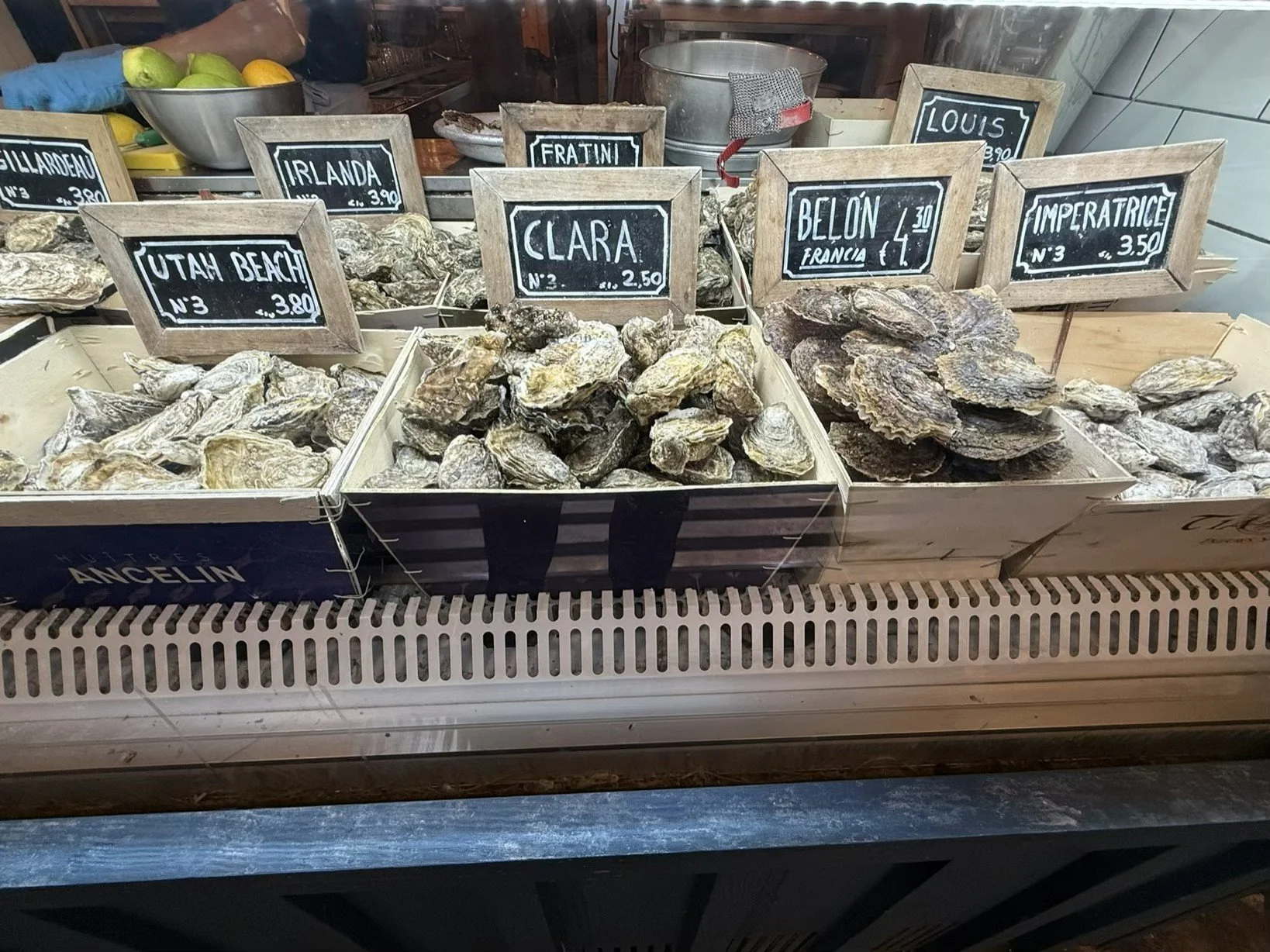
Harry stayed beachfront at Hotel Villa Favorita, one of only four hotels directly on La Concha. Boutique. Personal. Sunset views. Roughly a third of the price of nearby luxury hotels with the same proximity to the water.
The Basque people predate Spain and France. Separate language. Separate identity. Deep pride. Today the region is peaceful, but still distinctly its own.
Harry hired a local guide born and raised in Basque Country who identifies as Basque first.
Cliffs, Canneries, and Medieval Stone
Day trips wound through small fishing villages where some of the best tinned seafood in the world is still hand packed by local women.
Sheer cliffs drop into the Atlantic. Prehistoric rock formations later used as filming locations for Game of Thrones.
Txakoli wine flowed freely. Sardines. Tuna. Anchovies. Simple food shaped entirely by place.
Inside a medieval church, Harry’s Bachelor’s of Art in History, Pre 1715 European, only available at Sewanee, The University of the South, finally clocked in. Arches shaped like trees. Built to protect peasants seeking refuge during the Dark Ages.
On the drive back, Harry received a call from a graduate school friend he had not spoken to in 20 years. They were in San Sebastián at the same time. Wine on the beach that night, Deb laughing at the coincidence, the kind of moment you cannot plan for and would not want to.
Pintxos and the Rhythm of the City
San Sebastián builds toward dinner instead of rushing it.
After work, people gather for pintxos. Small bites that bridge the gap between work and a 10 o’clock dinner.
Each bar specializes. Sardine skewers with olive and pickled pepper. Tortillas the size of manhole covers.
Txakoli is poured from two to three feet above the glass to aerate it. One euro bites. One dish done perfectly.
At Bar Antonio, Harry lined up early for the city’s most famous tortilla de patatas. Only a few are made each day. When they are gone, they are gone.
Potatoes. Caramelized onions. Rich. Simple. Legendary.
The Importance of Doing Nothing
Two full days had no plans.
Mornings walking the beach together. Coffee without an agenda. Pintxos chosen on instinct instead of research. Deb set the pace here, slowing the trip down just enough to let it breathe.
This is where San Sebastián works its way into you. Slowly. Casually. Permanently.
Bilbao as the Soft Landing
The final stop was Bilbao, 45 minutes by train.
The Guggenheim. Frank Gehry curves. The giant floral Puppy. One last meal. One last walk before reality returned.
Then home.
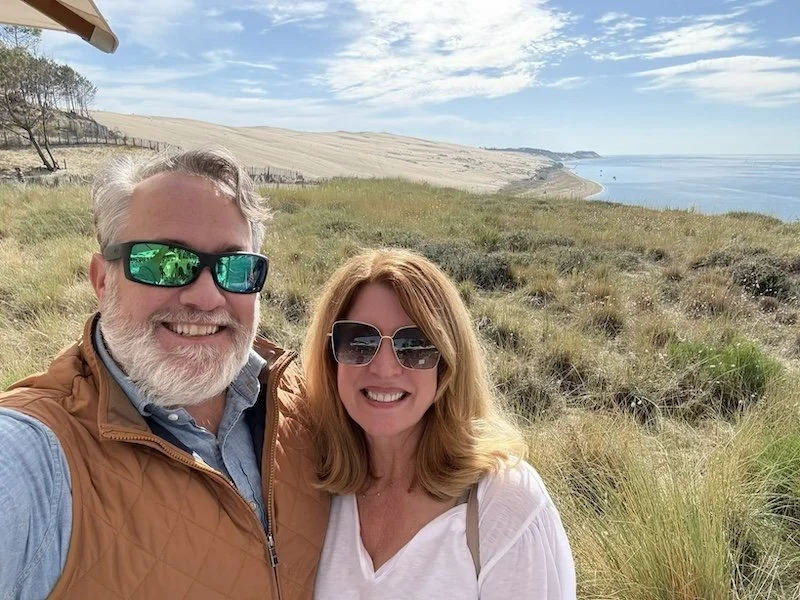
Harry & Deb (Dune du Pilat)
If You Want to Copycat This Trip
Bordeaux deserves five to seven days to slow down and wander.
San Sebastián is already perfect. Five nights minimum with space for nothing.
Wi-Fi was seamless. Work fit around the trip, not the other way around.
Final Thought
This was not a checklist trip.
It was a rhythm.
Food as culture.
Walking as discovery.
Wine marking the pause.
Harry did not just go to Bordeaux and San Sebastián. He remembered how to move through a place.
And if you are going to copy it, do it the same way.
Slow.
Hungry.
And open to whatever shows up.