
Fishing Georgia’s Snapper Banks: Forty-Two Miles Beyond the Horizon
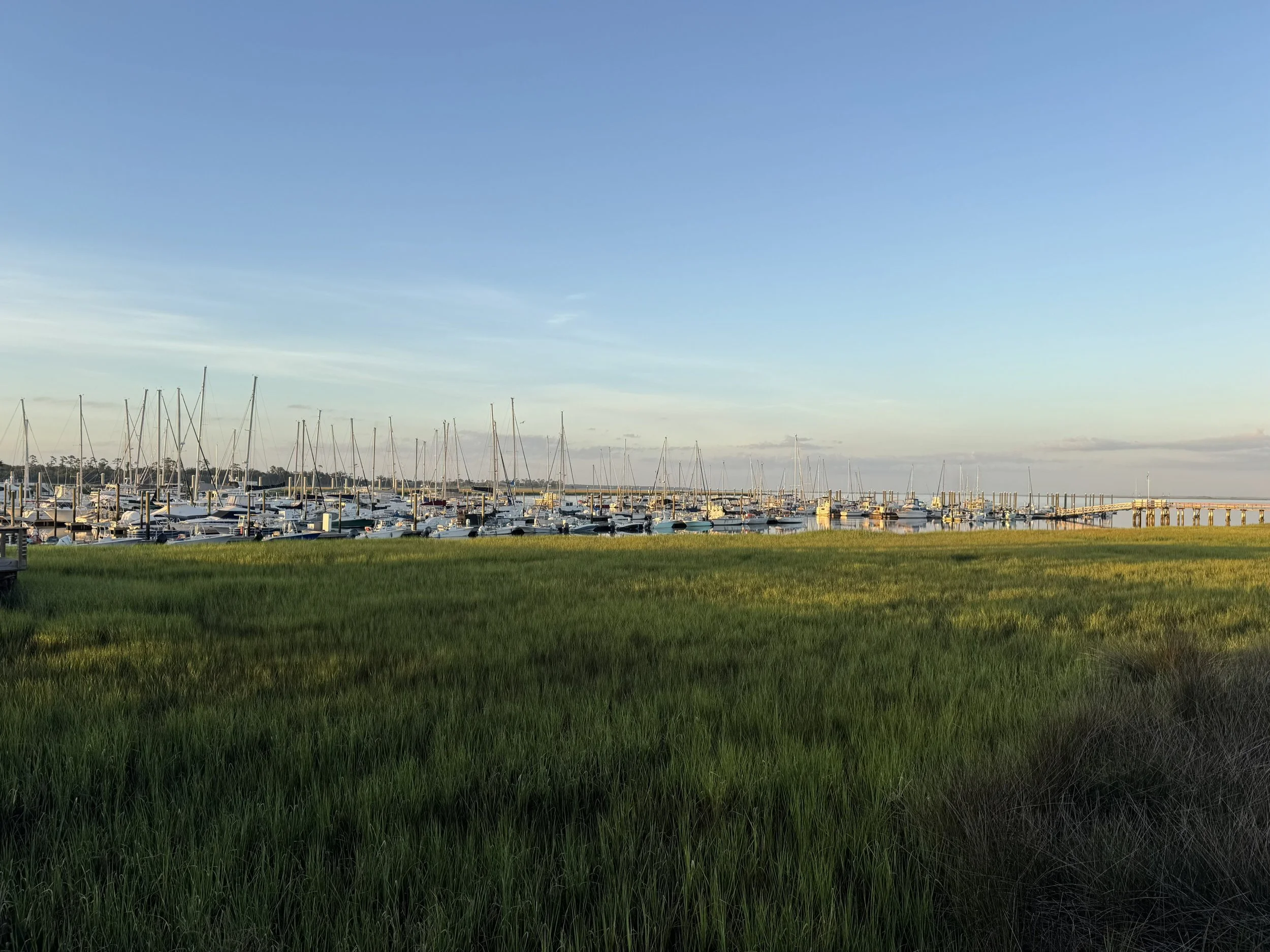
There is a moment on every trip to the Snapper Banks when you realize you've left the ordinary behind.
It isn't marked by a buoy.
There isn't a welcome sign.
It happens in the blink of an eye.
The Georgia coast disappears beneath the horizon.
The last thing you see is the Sidney Lanier Bridge. Then there is nothing but water in every direction.
Forty-two miles offshore is a long way from land.
It is just far enough away to see Georgia from a completely different perspective.
FORTY-TWO MILES
The Snapper Banks are a series of natural ledges, live bottom, and artificial reefs approximately 40 miles east-southeast of Georgia’s Golden Isles. Most anglers depart from St. Simons Island, making it the gateway to one of the Southeast’s premier fisheries. Anglers come here to target red snapper, vermilion snapper, grouper, amberjack, black sea bass, cobia, king mackerel, barracuda, and other offshore species.
The first part of the ride feels familiar. Shrimp boats work the coast. Pelicans skim the waves. Dolphins occasionally appear in the boat's wake.
Then the water changes.
The green coastal waters slowly give way to a brilliant cobalt blue that no camera quite captures. It is the kind of blue you expect to find somewhere in the Caribbean, not 40 miles off the Georgia coast.
Then something else changes.
The shoreline disappears.
There is actually a scientific explanation.
Because the Earth curves away at roughly eight inches per mile squared, the coast slips below the horizon. It is one thing to read about it. It is another to watch it happen.
For nearly half the trip, you're suspended between two worlds. Nothing behind you. Nothing ahead of you. Just open Atlantic. Then, almost out of nowhere, a tiny silhouette appears on the horizon.
The Navy Tower.
A COLD WAR RELIC THAT BECAME A FISHING PARADISE
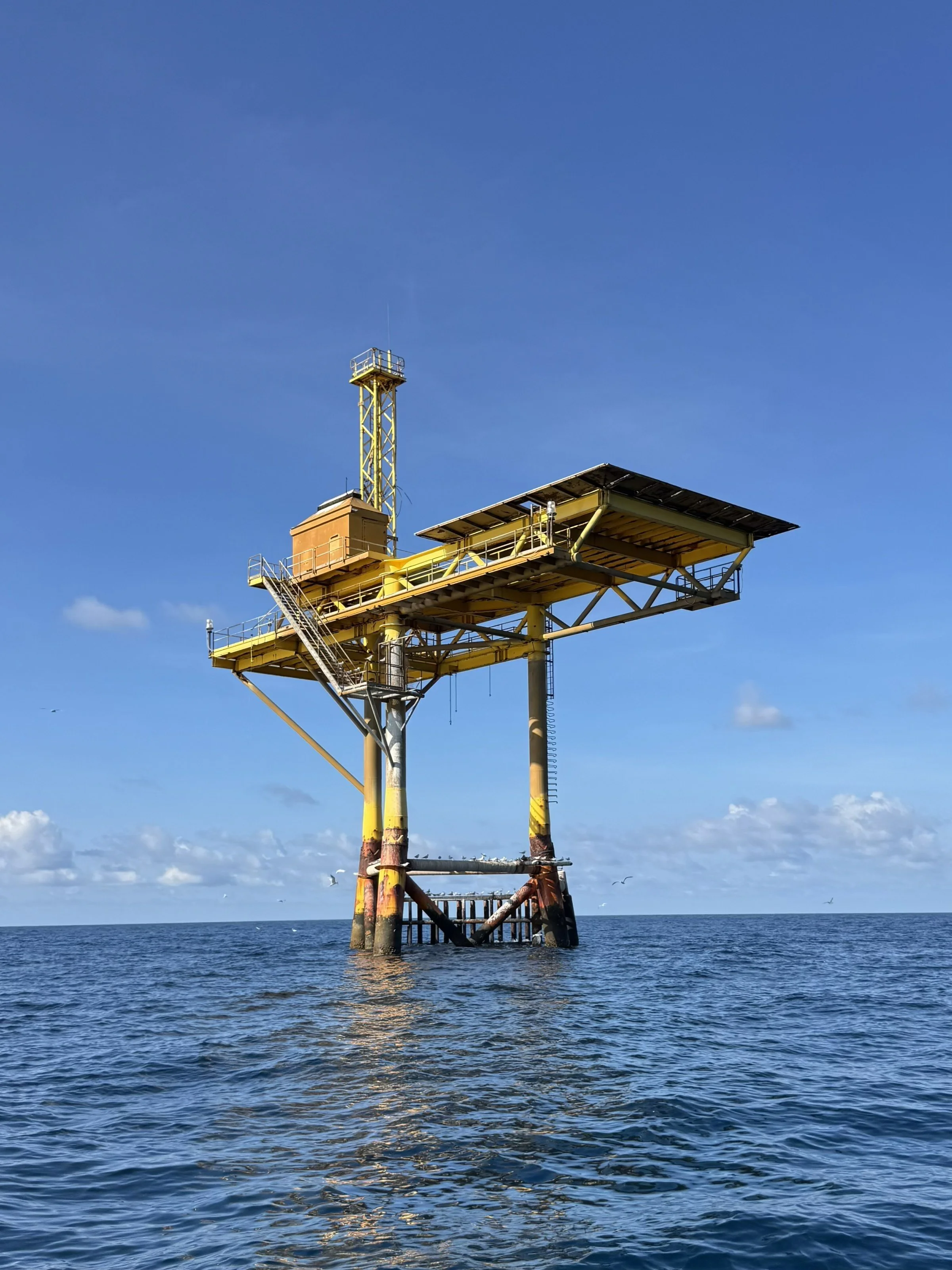
From a distance it looks like an offshore oil platform. As you get closer, it becomes an enormous steel structure rising from the Atlantic.
Locals simply call it "the Navy Tower."
Its history is far more interesting.
TACTS stands for Tactical Aircrew Combat Training System.
During the Cold War, these TACTS towers were part of a Navy training range where fighter pilots practiced simulated air combat over the Atlantic. The towers electronically tracked aircraft positions and recorded every maneuver during dogfighting exercises.
They were built to prepare pilots for combat.
Today they serve a completely different mission.
Decades of marine growth have transformed the steel legs into thriving artificial reefs. Barnacles, sponges, and coral cover nearly every inch of the structure. Baitfish gather by the thousands. Where bait gathers, predators follow.
Combined with the surrounding natural live bottom and artificial reefs, the area has become one of the most productive offshore fisheries on the East Coast.
Military history quietly became marine habitat.
EVERY DROP BEGINS WITH A QUESTION
Once the boat settles over a spot, the routine is simple.
Drop your bait. Wait. Hold on.
The exciting part is that you never know what is on the other end of your line. One drop might produce a black sea bass. The next could be a bank bass. Then a grunt. A lizardfish. A few minutes later, someone hooks a giant amberjack that feels more like a runaway train than a fish.
Then comes the fish everyone hopes to see.
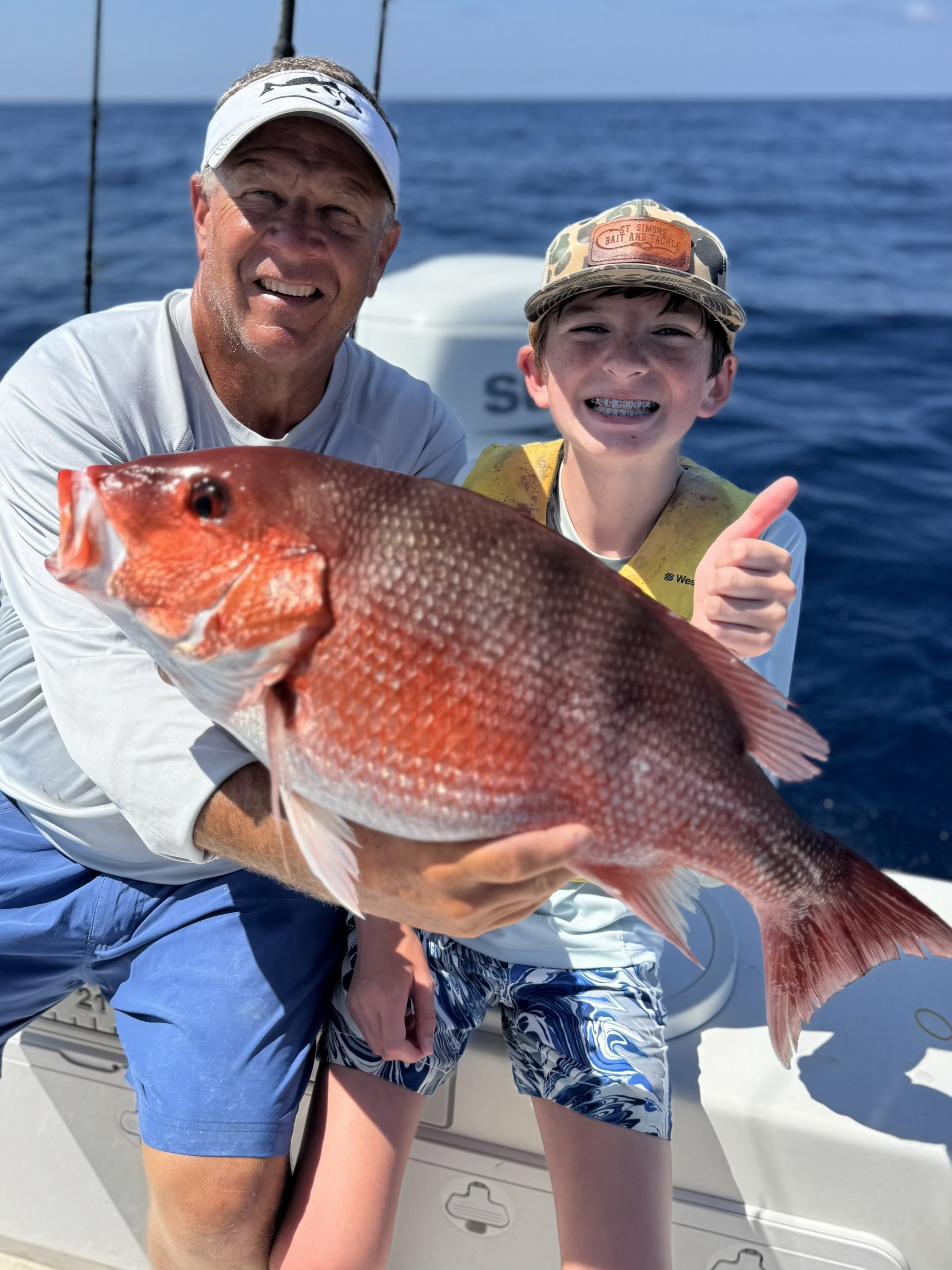
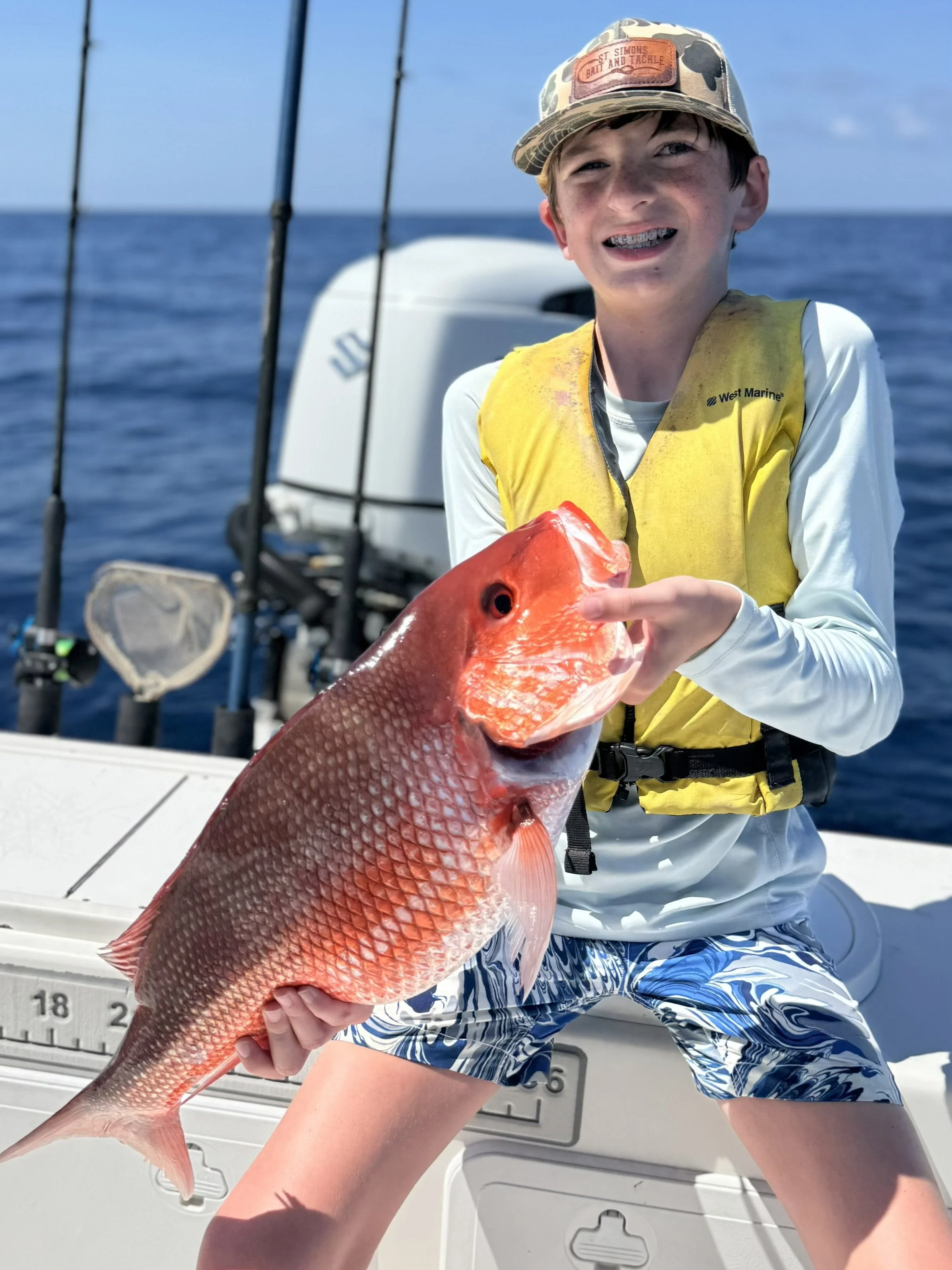
Red snapper. Vibrant red scales. Powerful runs. Beautiful fish.
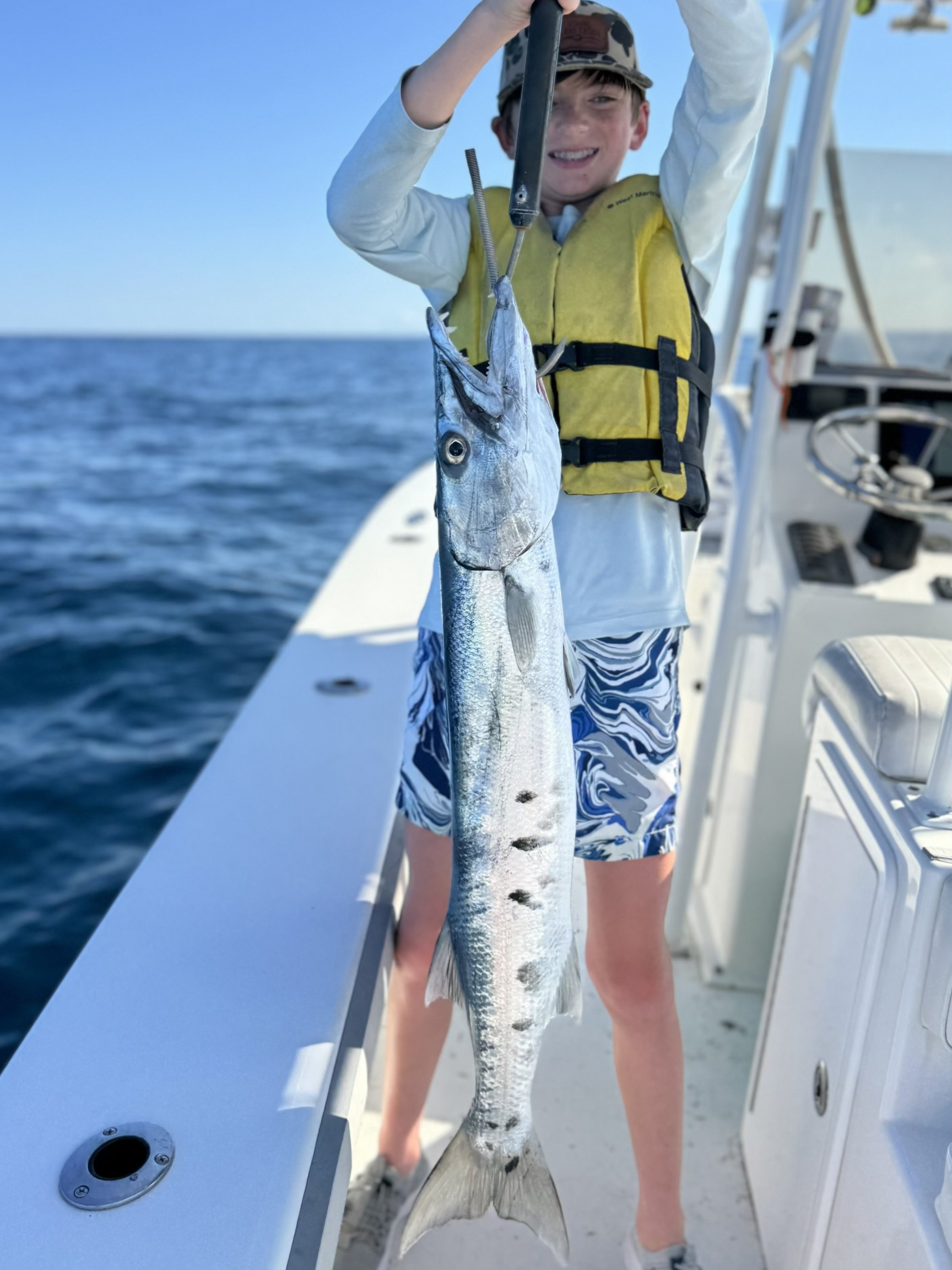
We also caught barracuda, one of the fastest and most aggressive predators in the ocean.
Every strike brings a little mystery.
Captain Dave hears the same question over and over.
"What do you think it is?"
His answer is almost always the same.
"We'll know when we see it."
Offshore fishing rewards curiosity more than certainty.
THE ONE YOU CANNOT KEEP
One of the biggest surprises for first time anglers is that catching a red snapper does not automatically mean bringing one home.
Red snapper are managed under federal regulations, and recreational harvest is only allowed when the season is open.
In Georgia, the recreational season can vary from year to year depending on federal management decisions. Some years it lasts only a few days. Other years it may be longer under special state management programs. Before booking your trip, always check the current regulations through the Georgia Department of Natural Resources or ask your captain what the rules are for the dates you'll be fishing.
If the season is closed, every red snapper goes back into the water.
Fortunately, there are plenty of other species that make outstanding table fare and the cooler rarely goes home empty.
SOMETIMES THE SHARKS WIN
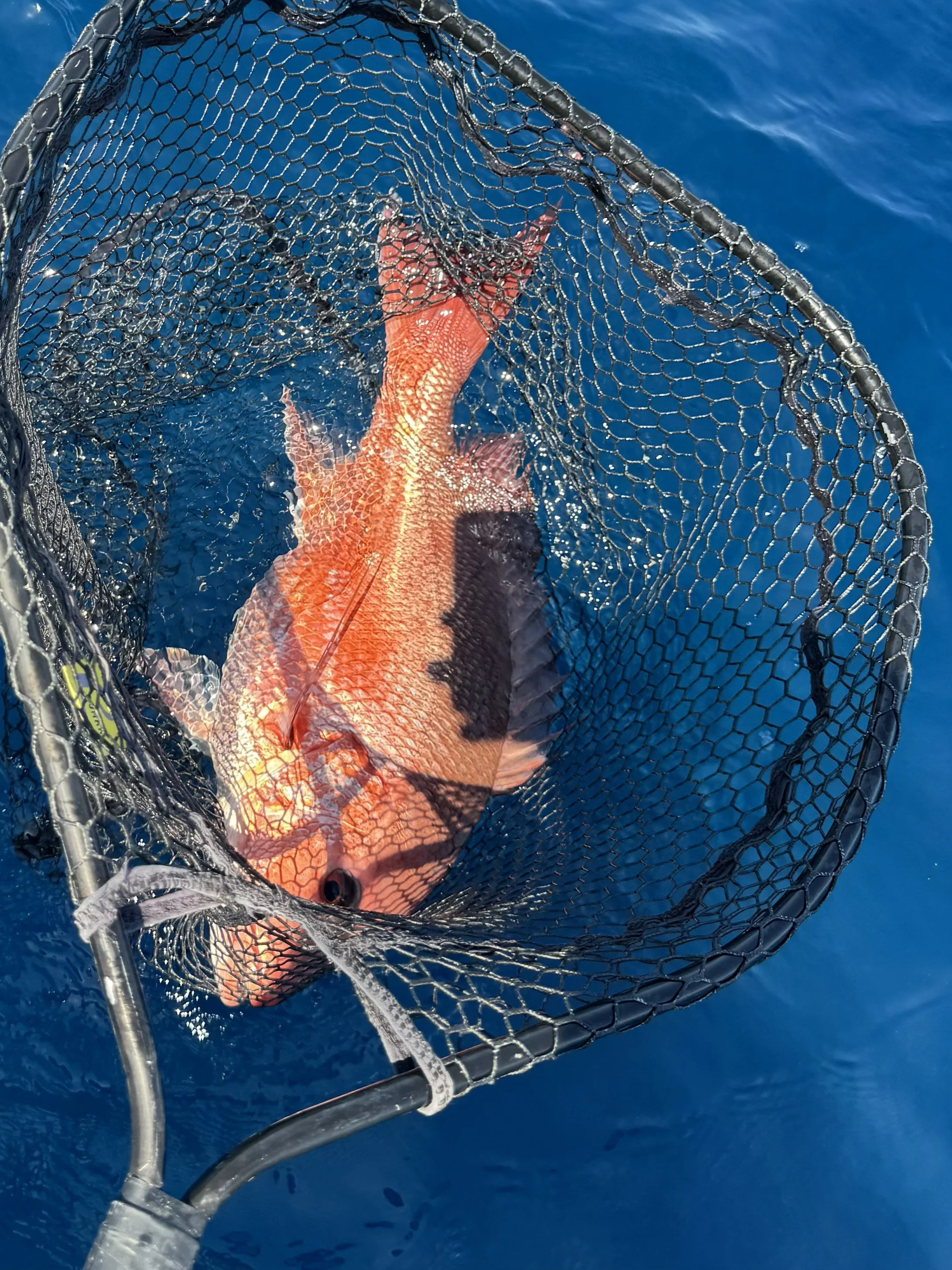
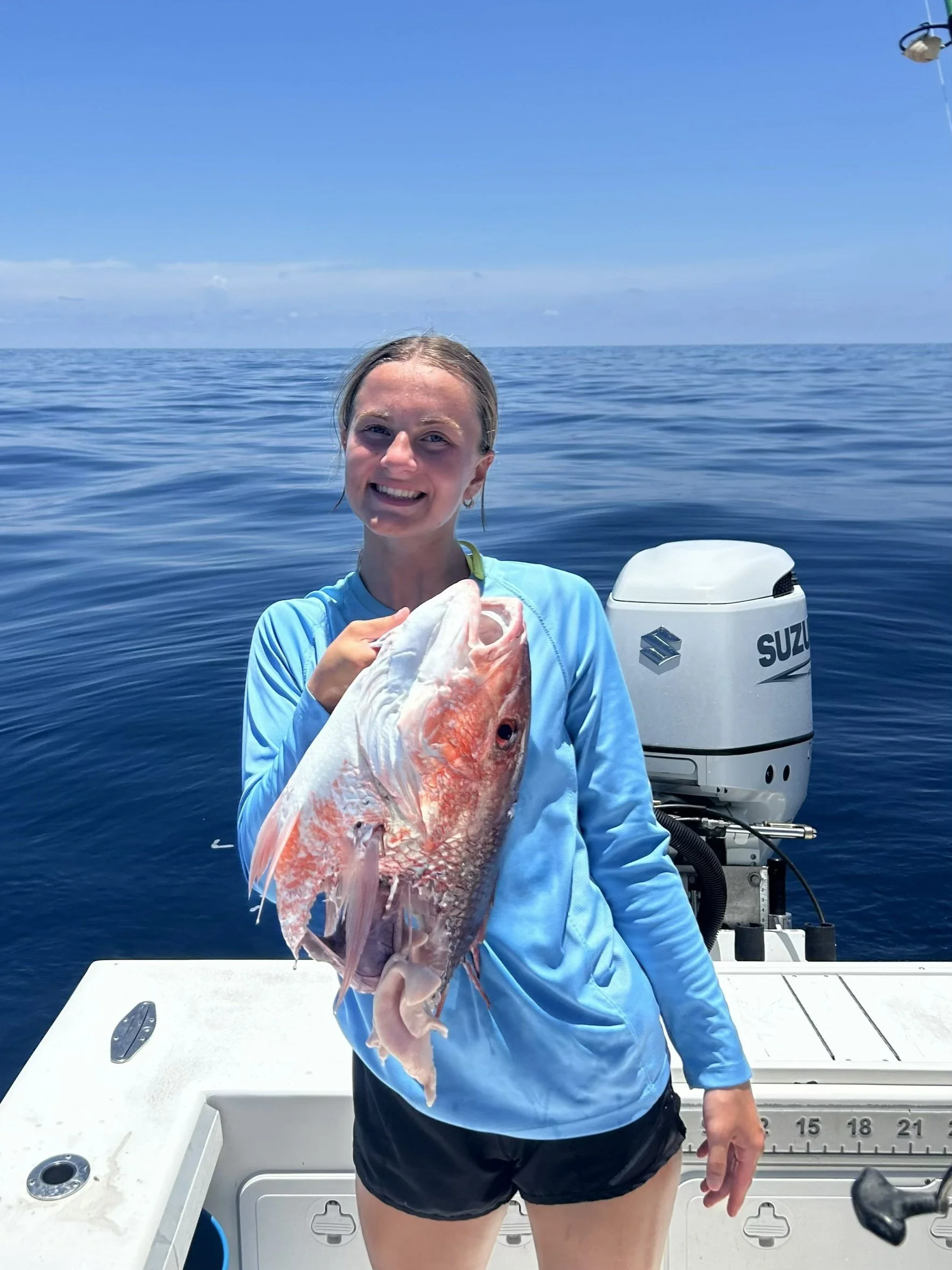
One of our largest snappers was only a few feet from the boat.
The rod was doubled over and the reel was screaming. Then, suddenly, everything went quiet.
It still felt heavy, but different.
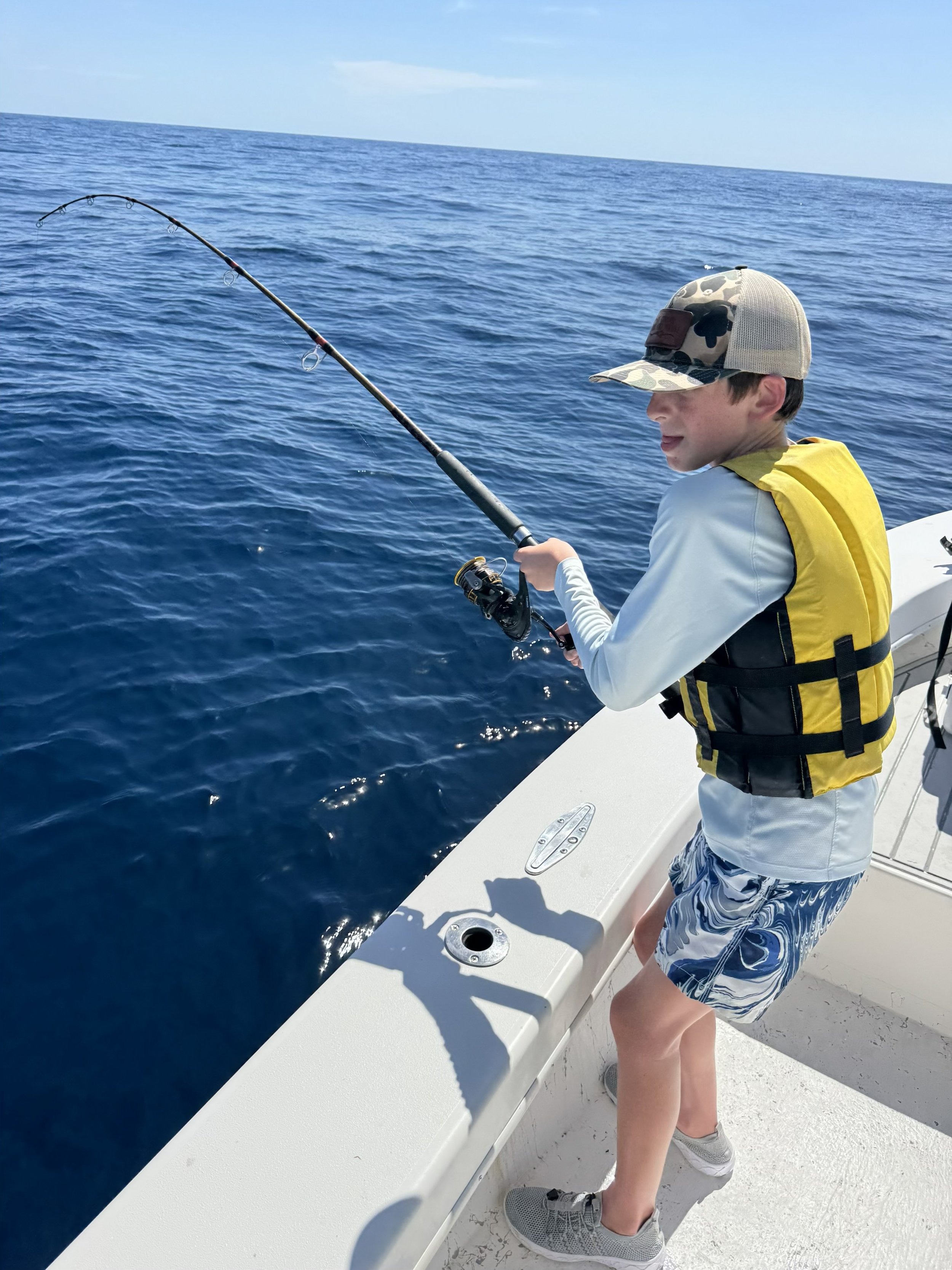
Our daughter had been fighting the fish for nearly 20 minutes. Lift up. Reel down. Give a yard. Take a yard.
We saw the head first.
Then we saw what was following it.
Two eight foot sharks.
By the time the fish reached the net, nearly three quarters of it was gone.
It was a reminder that 40 miles offshore, you are not at the top of the food chain.
Sometimes the ocean reminds you whose rules you’re playing by.
SIGNS OF A HEALTHY OCEAN
The fishing alone would have made the trip worthwhile.
The marine life made it unforgettable. Flying fish shot out of our wake like silver darts, gliding effortlessly above the surface before disappearing back into the Atlantic.
Sea turtles surfaced for air beside the boat before submerging beneath the blue water.
Pods of dolphins escorted us for part of the ride.
Captain Dave pointed toward the flying fish.
"That's a good sign."
Out here, everything is connected. The current. The birds. The bait. The predators.
When one piece of the puzzle comes together, everything else follows.
TRUST THE CAPTAIN
Running 40-plus miles offshore is not something you casually decide to do. Weather, experience, and judgment all matter.
Captain Dave Madray has made this run more times than he can count.
While everyone else is admiring the scenery, he is reading the water, watching the birds, studying his electronics, and deciding where to make the next stop.
Good captains do not simply know where fish were yesterday. They understand why they were there.
A FEW THINGS I LEARNED
Bring more water than you think you will need.
The Georgia sun can be relentless, and there is very little shade once you leave the dock.
Captain Dave keeps a dedicated cooler stocked with ice, water, Gatorade, and one tradition I hope never changes.
Before every trip, his wife packs small bags of fresh fruit.
And after eight hours of direct sunlight, the chilled grapes and watermelon become the most popular thing on the boat.
Wear sunscreen.
Then reapply.
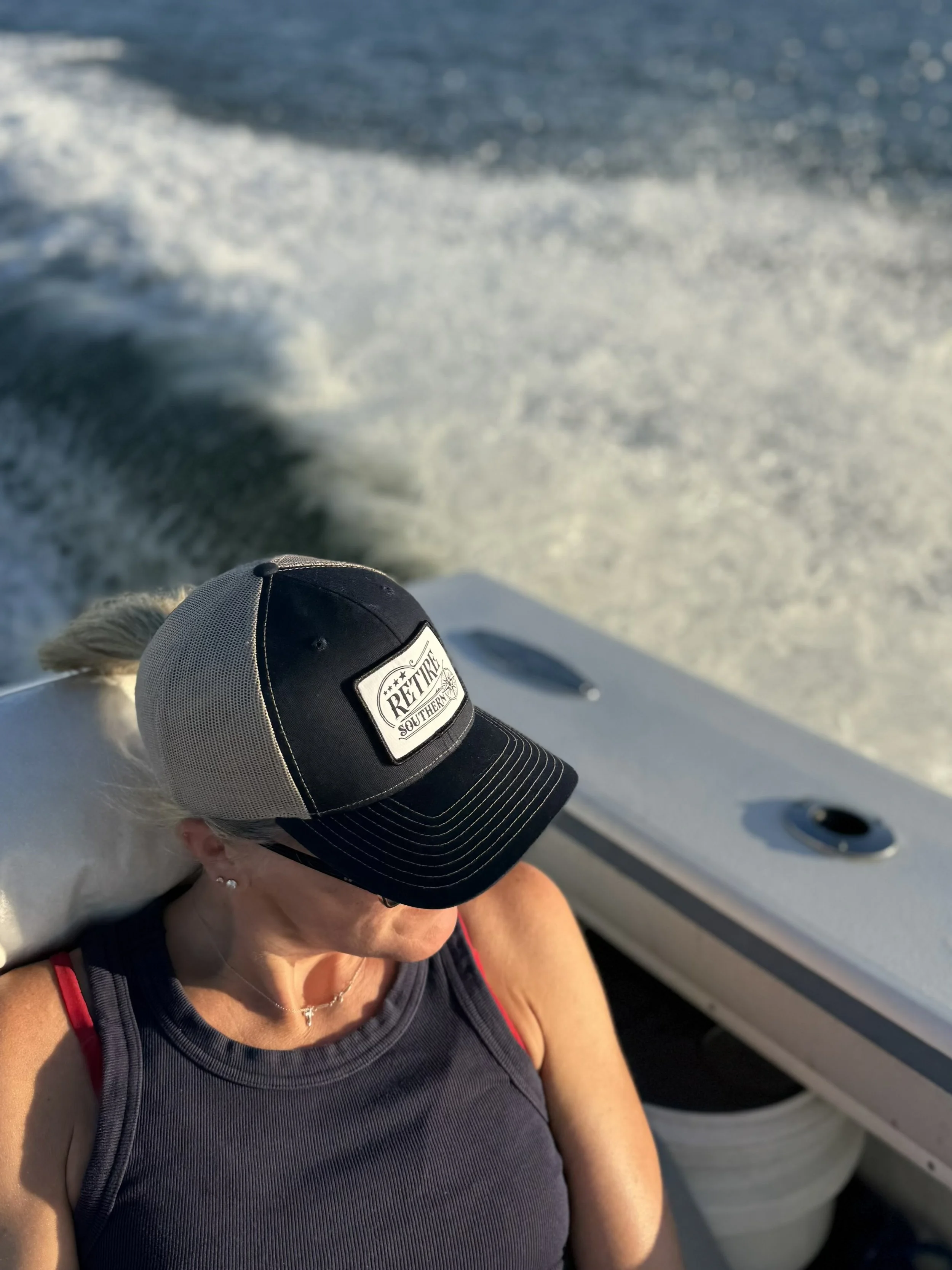
A lightweight sun shirt, polarized sunglasses, and a good hat are essential. I happen to think a Retire Southern trucker hat looks right at home 40 miles offshore, but I’m biased. Wear shoes with good traction. Charge your phone for pictures and video.
And if someone tells you to reel faster, reel faster.
WHAT DOES IT COST?
People often ask whether a trip like this is expensive.
Is it expensive?
Absolutely.
So is letting another summer pass without making memories.
A full day on the Snapper Banks costs about the same as a foursome playing the Ocean Course at Kiawah.
One day is spent chasing birdies.
The other is spent chasing red snapper, king mackerel, grouper, and whatever else decides to bite.
Both create stories you'll likely be telling for years.
And just like golf, remember to tip your caddie. Only this time, your caddie is your captain.
Tip him well. He was working before you arrived and will continue to do so long after you leave.
THE REAL CATCH
Yes, we caught fish.
Red snapper, amberjack, barracuda, black sea bass, bank bass, tomtates, lizardfish, and one bodiless snapper head.
Those fish made for great photographs. But they are not what I remember most.
I remember watching the Georgia coast disappear. I remember seeing a shade of blue I didn't know existed. I remember the first glimpse of the old Navy Tower standing alone in the Atlantic. I remember wondering what was on the other end of the line every single time the rod bent. And I remember sharing the experience with family.
That is what makes the Snapper Banks special.
We spend so much of our lives looking at screens, calendars, and clocks that we forget what it feels like to simply stare at the horizon.
Out here there are no meetings.
No traffic.
No push notifications.
Just blue water, good company, and the anticipation of whatever might be waiting beneath the surface.
Sometimes the best way to appreciate where you live is to lose sight of it for a little while.
Forty-two miles from shore.
A million miles from ordinary.
HOW TO BOOK YOUR ADVENTURE
If this sounds like your kind of day, book a trip with Captain Dave Madray or Captain Kevin Dezern of Georgia Saltwater Adventures.
Whether you're an experienced offshore angler or you've never held a rod, they have a way of making everyone feel comfortable while putting them on fish.
Bring your sense of adventure, sunscreen, and plenty of water. They will leave enough room in the cooler for whatever you land.
Just remember one thing.
You never really know what's on the other end of the line until you see color beneath the boat. And that may be the best part of the whole experience.
Leave the Coast Behind
From Boat to Table
You’ve caught the fish. Now let one of our favorite Golden Isles restaurants prepare it.