
Arnaud’s Restaurant in New Orleans: Carrying a Century Forward
Some places are built to impress.
Others are built to endure.
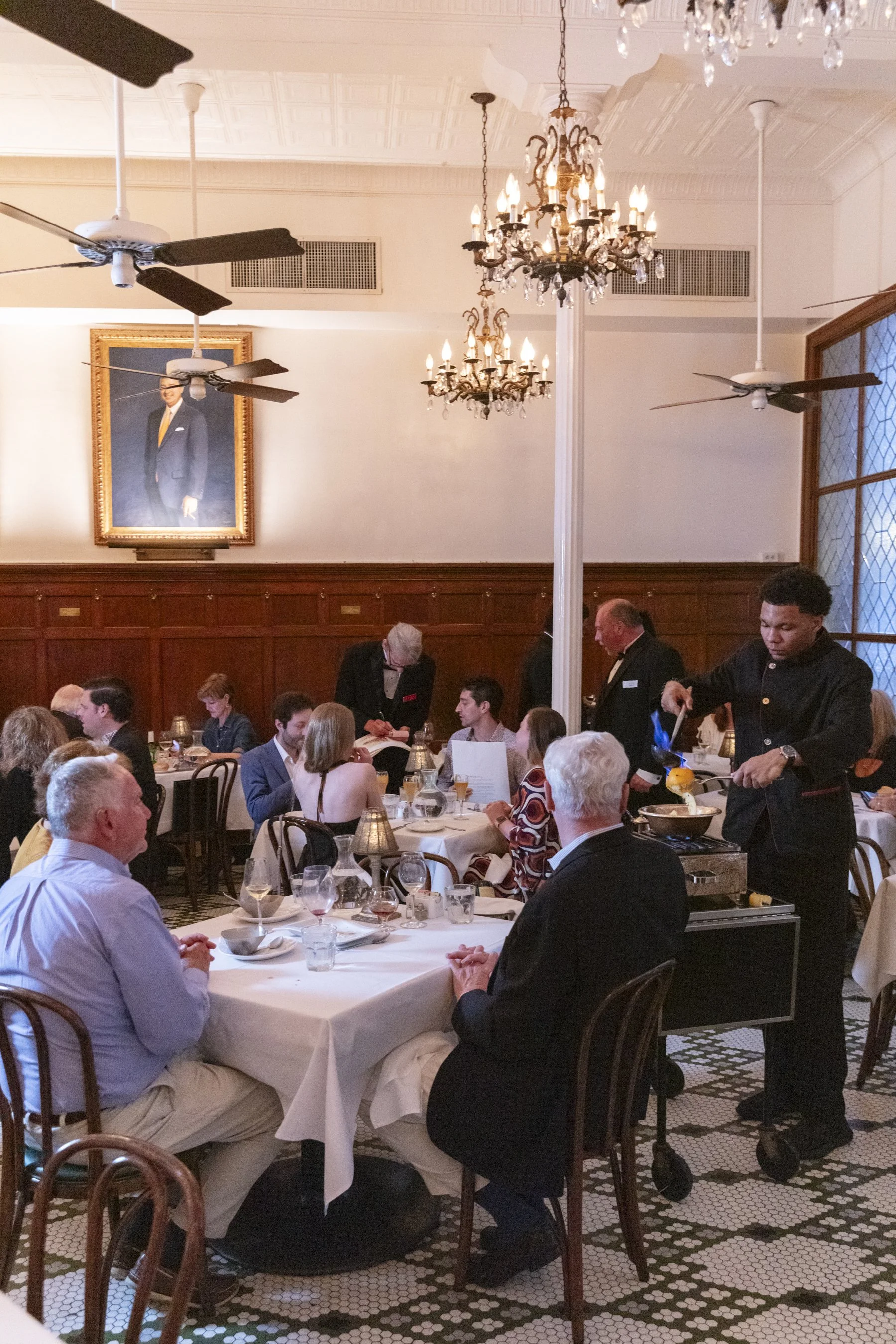
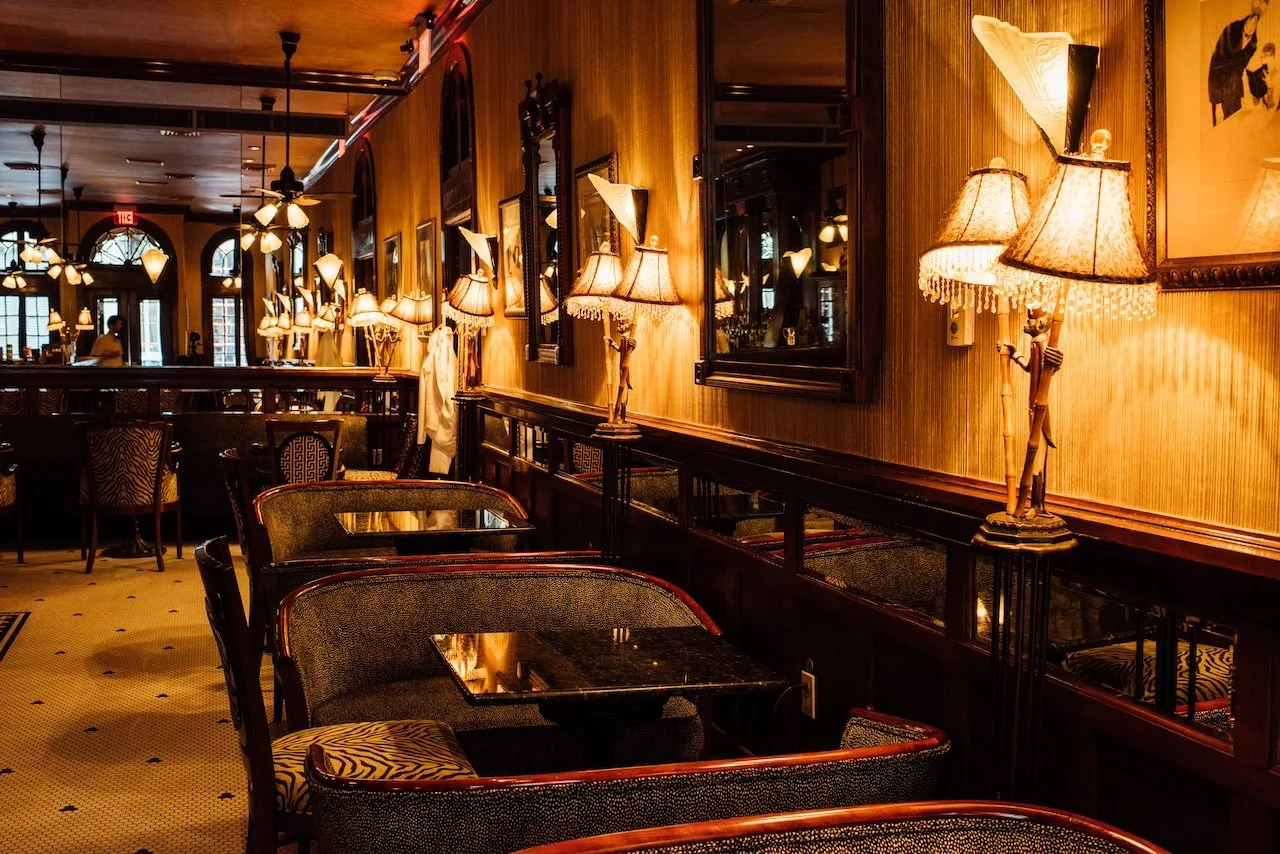
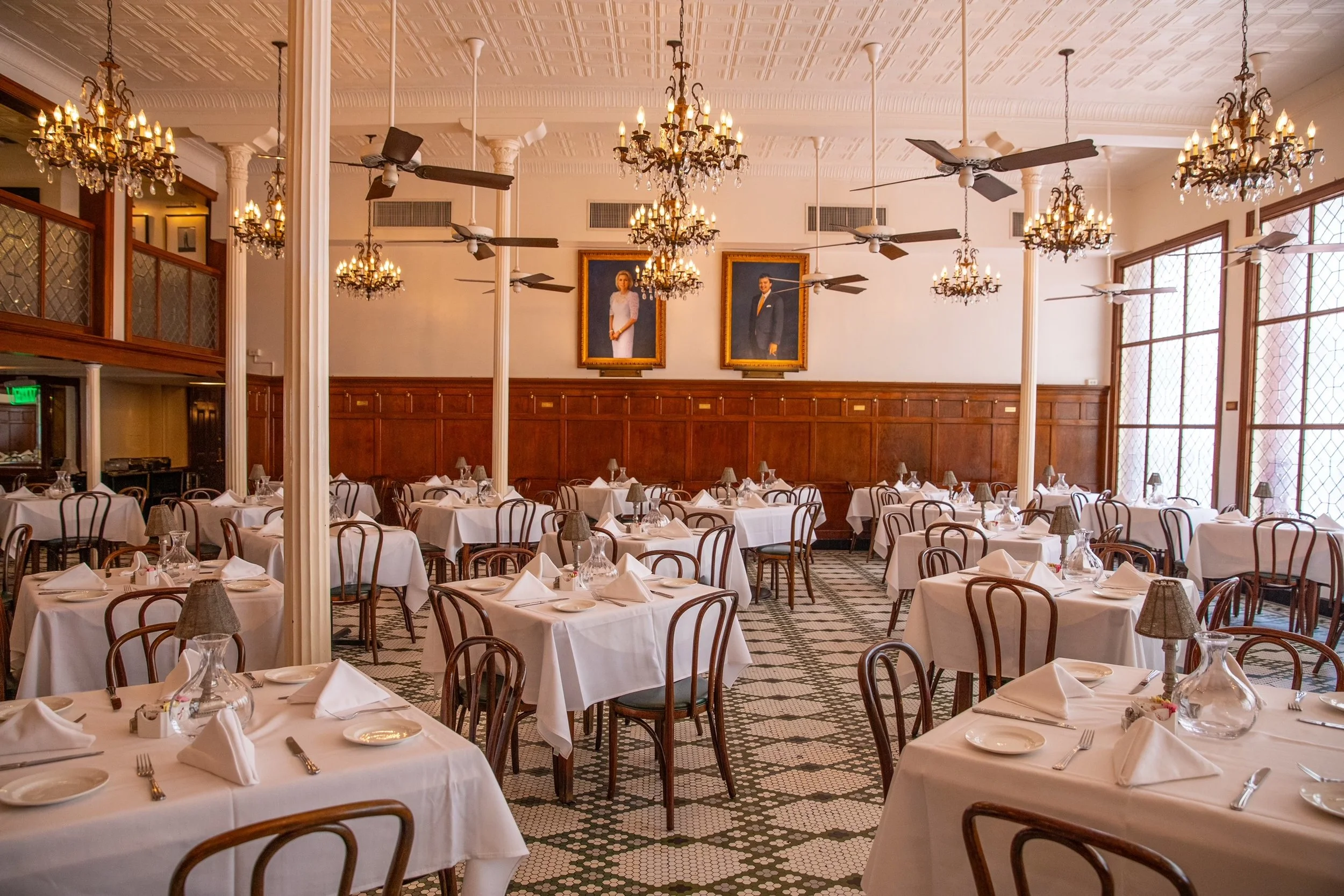
From the moment you walk through the doors of Arnaud’s Restaurant on Rue Bienville in the historic French Quarter, it is clear this is not a restaurant chasing trends. It is a place that understands exactly who it is. The chandeliers glow with quiet confidence. The rooms unfold gradually. The tile floors subtly change beneath your feet as the restaurant moves from one building into the next.
This is what a French Quarter restaurant is meant to feel like.
A Historic New Orleans Restaurant That Remembers
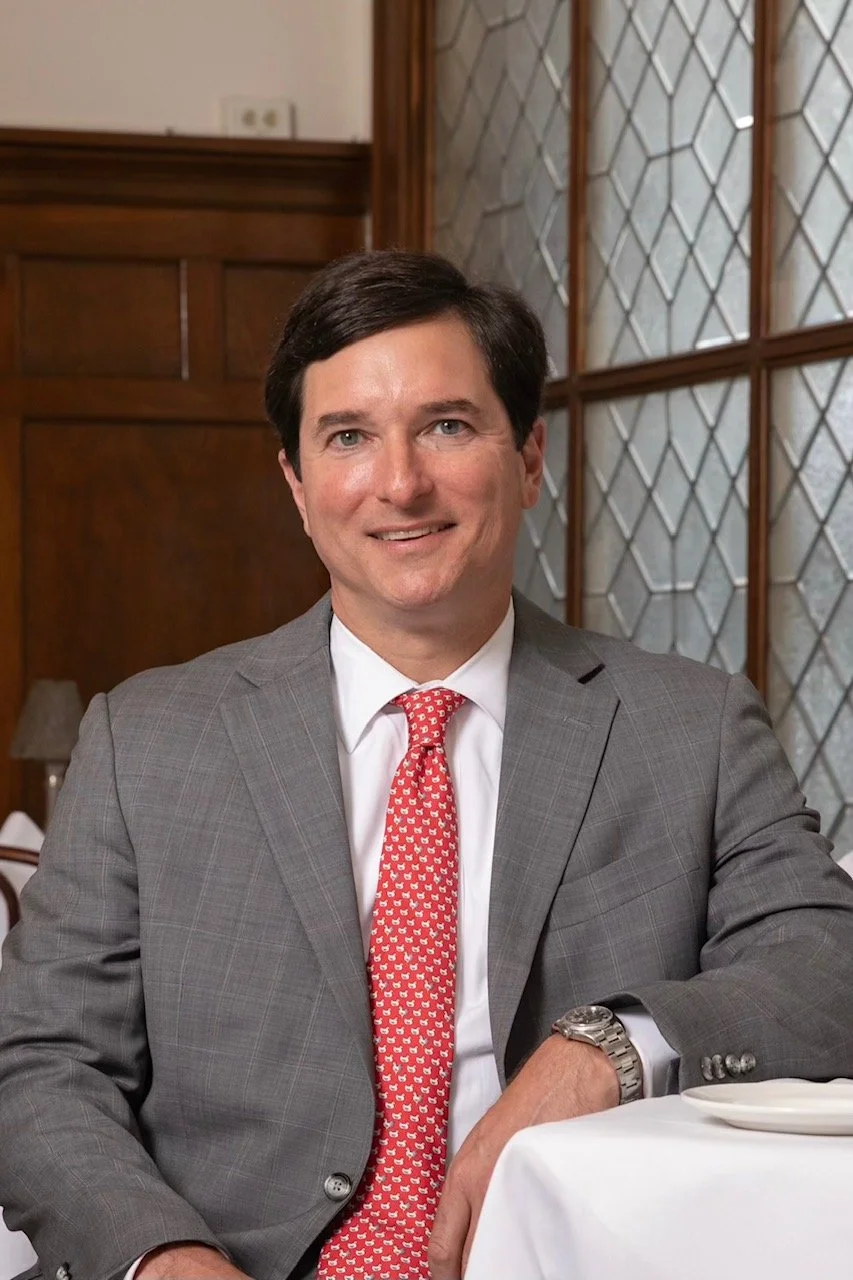
For Archie Casbarian, Arnaud’s is not a professional chapter. It is a lifetime commitment.
When his parents acquired Arnaud’s in 1978, Archie was just a child. His earliest memories are not of menus or management meetings, but of riding a Big Wheel through the dining room on slow afternoons. Over time, the restaurant became the backdrop for life’s milestones. Engagements. Wedding receptions. Holiday traditions repeated year after year.
To say he grew up here is literal, not symbolic.
That lived experience matters. Arnaud’s is a New Orleans restaurant where generations return not to rediscover something new, but to reconnect with something familiar. Guests arrive remembering a dish, a room, or a celebration from decades earlier and expect it to still be there. That kind of trust is not created overnight. It is earned over time.
Tradition here is not nostalgia. It is responsibility.
Scale Without the Chaos
One of the quiet marvels of Arnaud’s is its ability to operate at scale without ever feeling overwhelming.
On a busy night, the restaurant can serve hundreds of guests across its dining rooms, private spaces, and bars. During peak seasons, that number can climb even higher. Yet the experience never feels rushed or crowded. Guests rarely sense the volume because the building itself was never designed as a single dining space.
Arnaud’s grew organically. As the business prospered, adjacent buildings were acquired and connected by opening walls rather than redesigning the space as one footprint. The result is a collection of rooms that feel intimate, even when the restaurant is operating at full capacity.
It is a rare balance. High volume without noise. Energy without chaos. Presence without pressure.
The French 75 Bar and New Orleans Cocktail Tradition
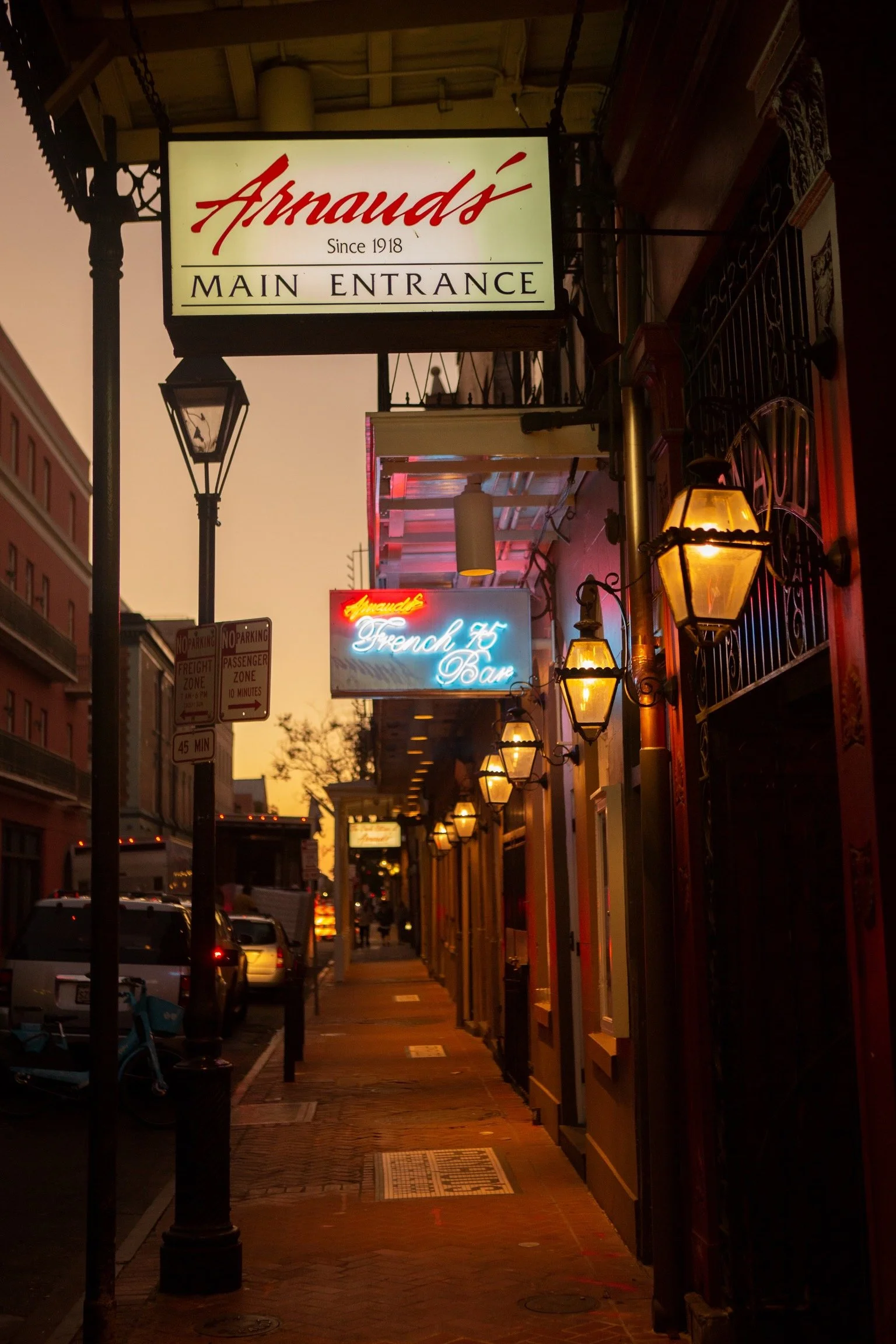
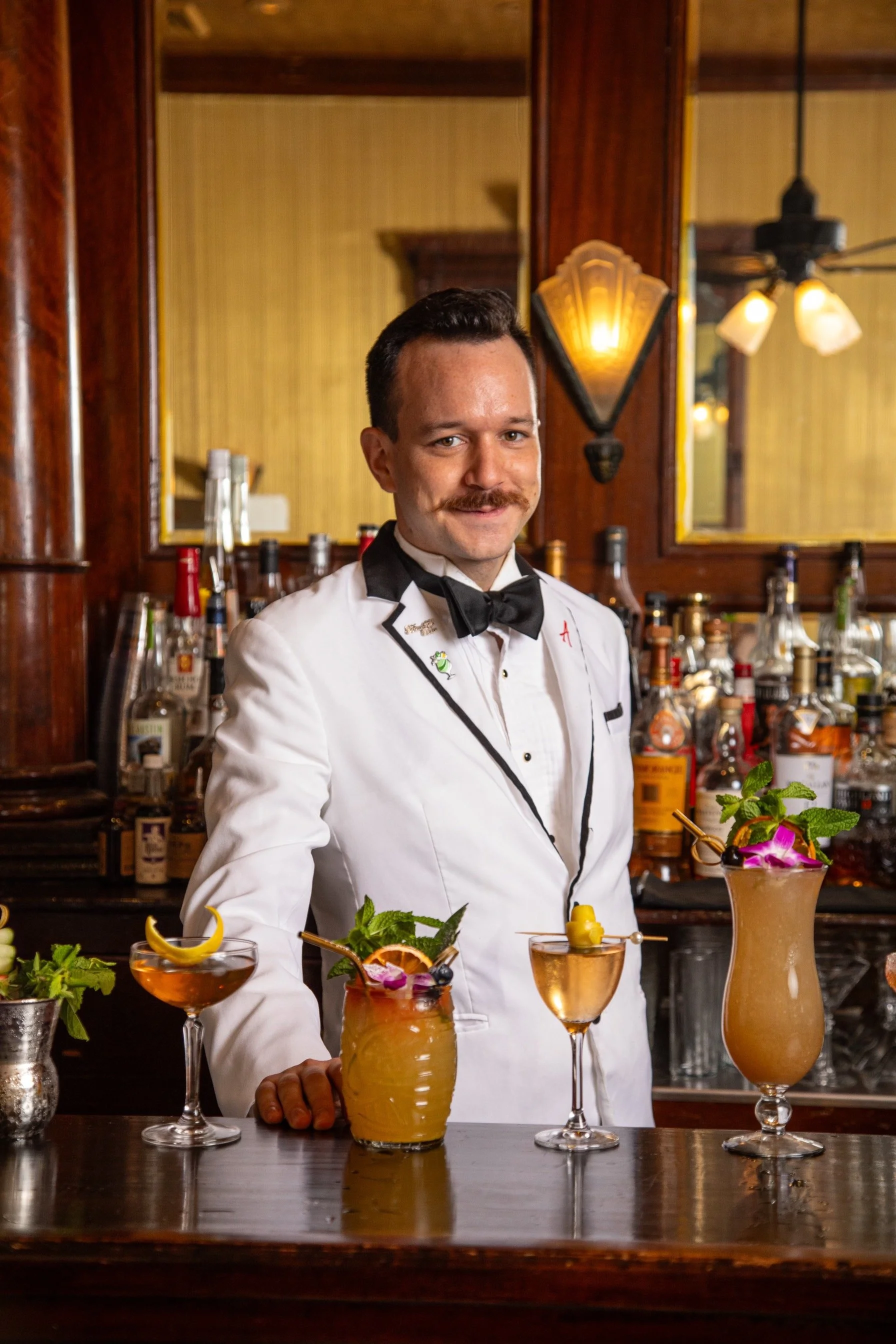
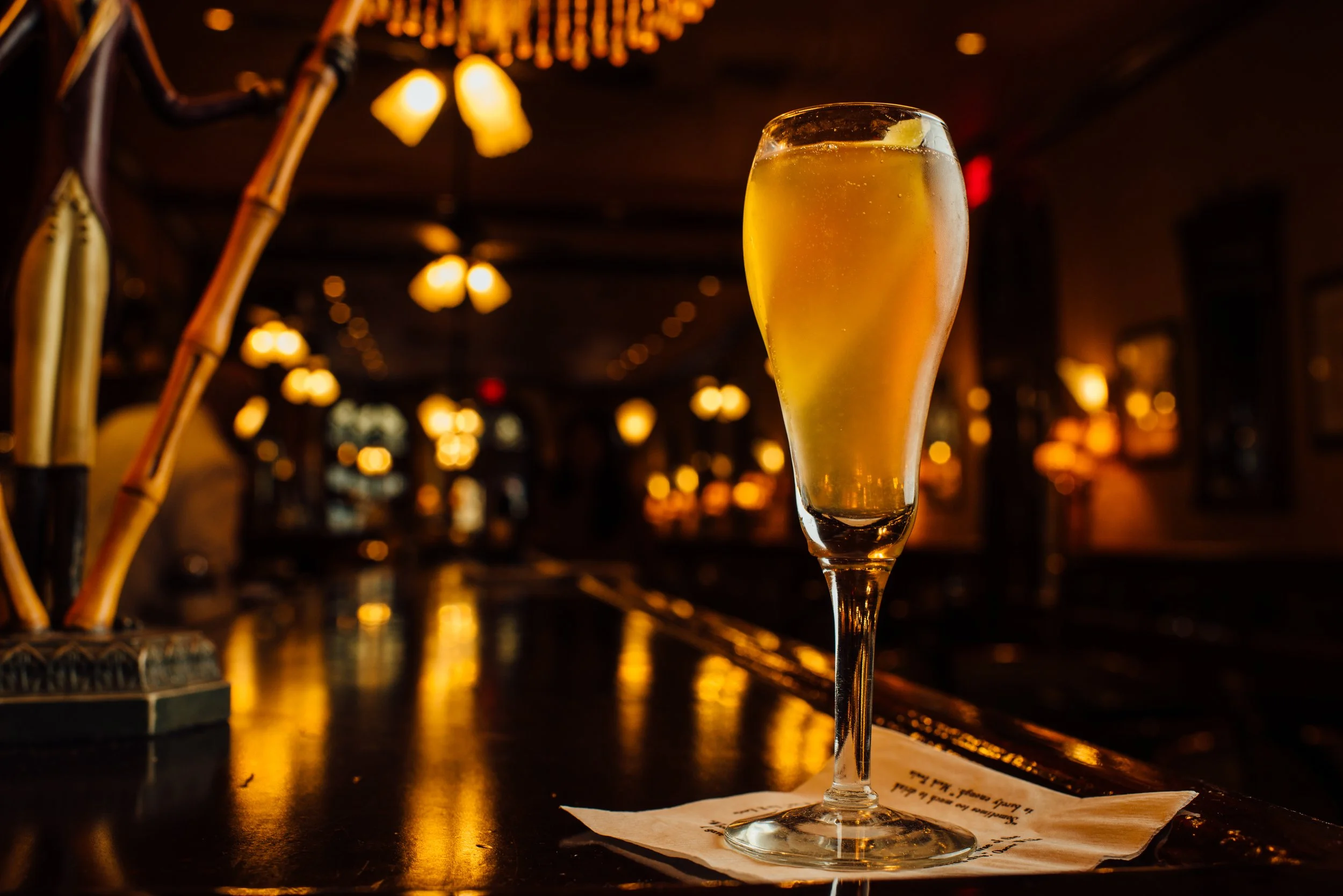
Just inside the corner of Bienville and Bourbon sits the French 75 Bar, one of the most iconic cocktail bars in New Orleans. Despite its proximity to the noise of Bourbon Street, the bar feels composed and elegant, offering a sense of calm within the French Quarter.
The French 75 cocktail anchors the experience. Named after a World War One field cannon and known for its surprising strength, the drink has deep historical roots. At Arnaud’s, it is traditionally served with cognac, honoring the city’s French heritage and the bar’s longstanding identity.
The bar program is stewarded by Christoph Dornemann, whose approach balances historical accuracy with modern technique. Cocktail culture in New Orleans never disappeared during the decades when shortcuts became common elsewhere. Classic drinks remained part of everyday life here, and that continuity still defines the French 75 Bar today.
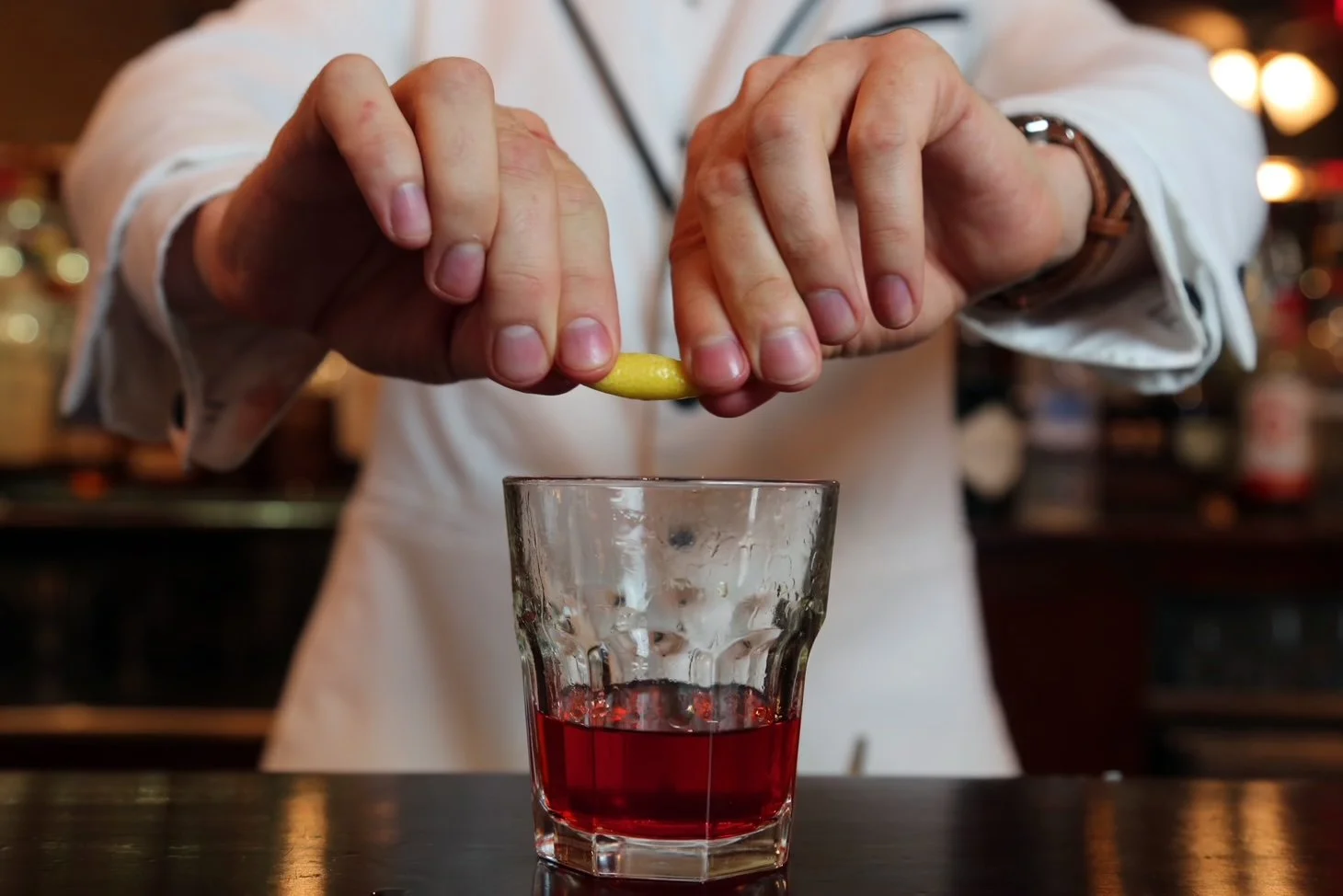
Consistency is not accidental. Every cocktail is documented. Bartenders are trained patiently, often beginning as servers before ever stepping behind the bar. Service matters as much as the drink itself. Precision is expected, not suggested.
Alongside the classics, there is another layer many guests do not expect. Beneath the tuxedos and chandeliers, the French 75 Bar also carries a subtle tiki influence. From impeccably balanced rum forward cocktails to classic tropical drinks executed with restraint, the bar quietly functions as one of the city’s most understated tiki destinations. A French 75 and a Mai Tai can coexist here without contradiction.
That balance reflects the broader philosophy of the restaurant. Honor what came before while allowing thoughtful evolution.
Reviving a Forgotten Classic
The Arnaud’s Special is a perfect example.
Dating back to the 1940s, the cocktail had quietly faded from attention over the years. Rather than inventing something new, Christoph chose to study its history, refine its balance, and bring it back with intention. The result is a drink that feels rooted rather than retro, familiar yet relevant.
Today, the Arnaud’s Special has become one of the bar’s most popular offerings. It is not a reinvention. It is a revival.
Creole Cuisine and the Discipline of the Kitchen
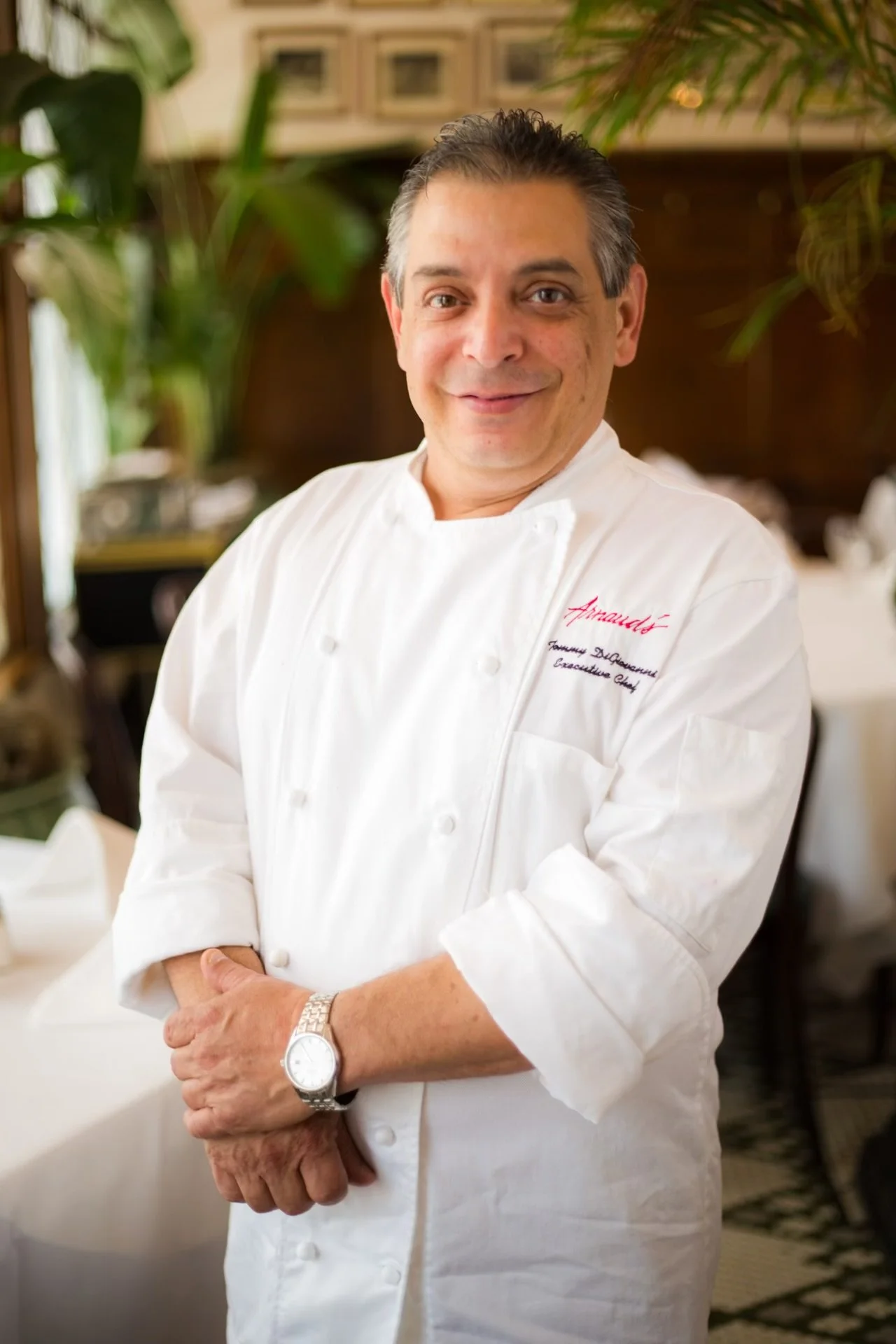
In the kitchen, Chef de Cuisine Tommy DiGiovanni has spent nearly three decades preserving the standards that define Arnaud’s.
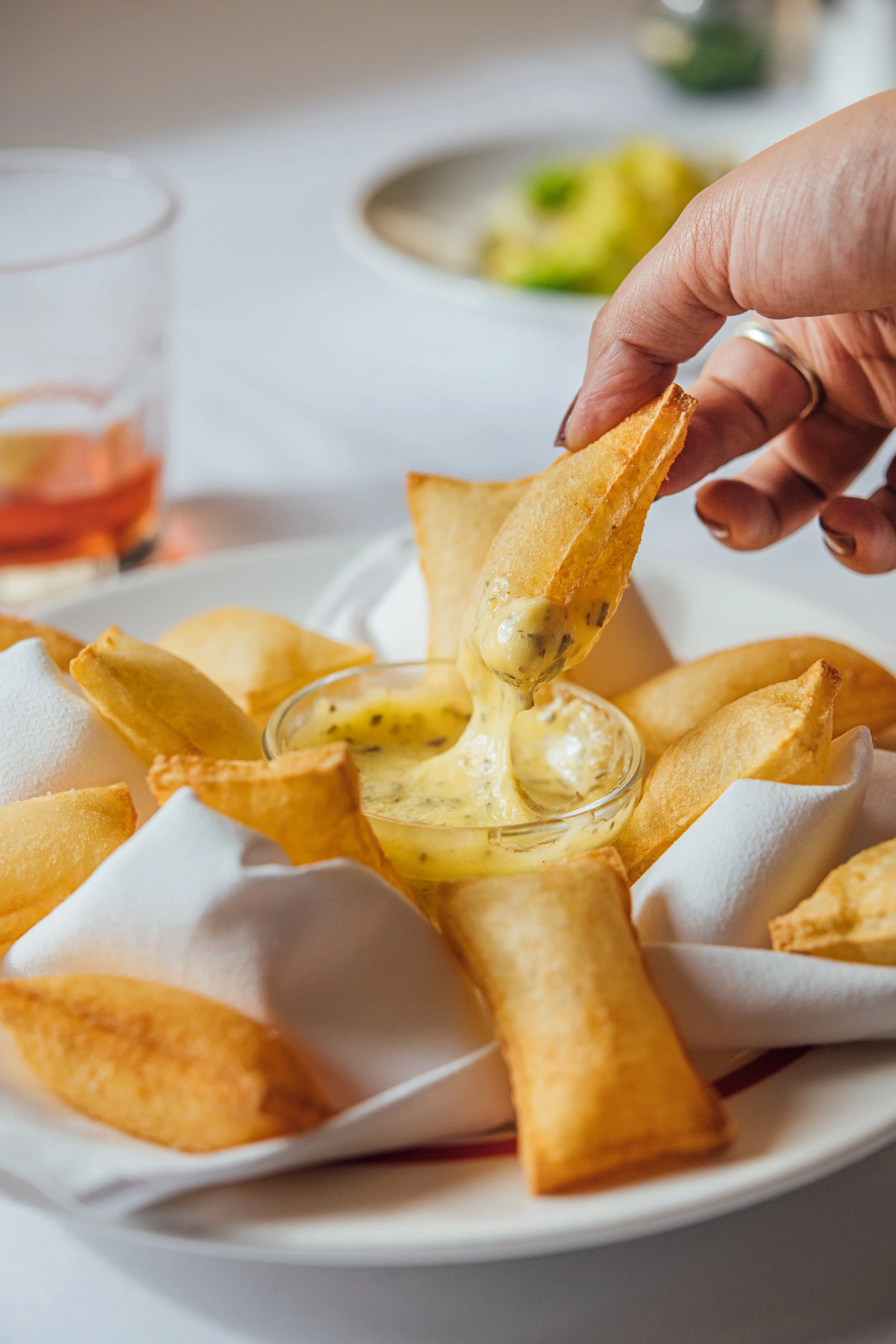
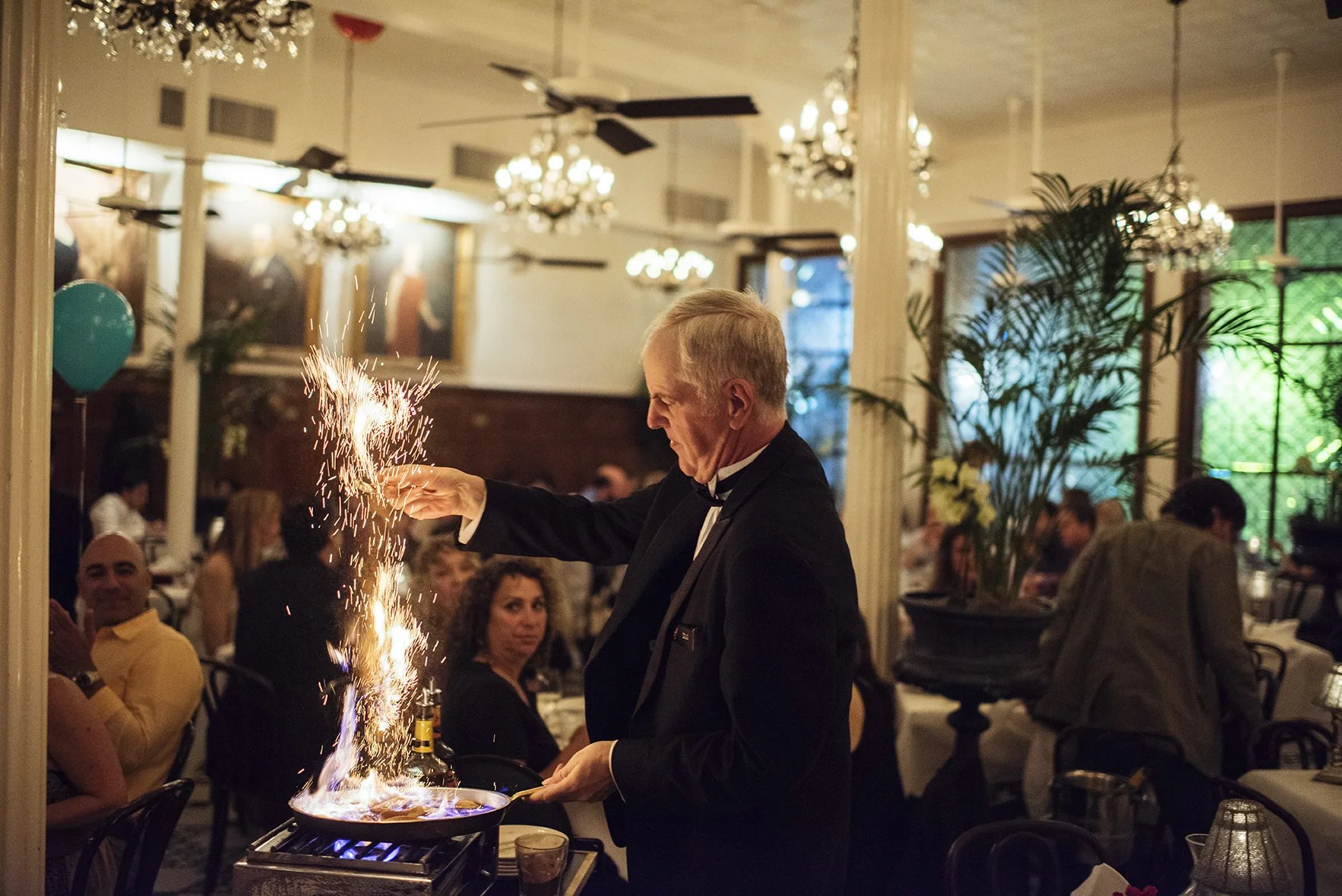
The restaurant is built on discipline rather than shortcuts. Nowhere is that more evident than in the soufflé potatoes, one of Arnaud’s most recognizable dishes. Each potato is hand carved, carefully sliced, fried at multiple temperatures, frozen, and finished to order. The process is labor intensive and unforgiving.
If the potatoes are not right, they are not served. When they run out, the disappointment from guests is immediate and vocal. That pressure is understood and accepted. Standards here are not flexible.
Beyond the potatoes, Chef Tommy speaks openly about the dishes that define the menu for him.
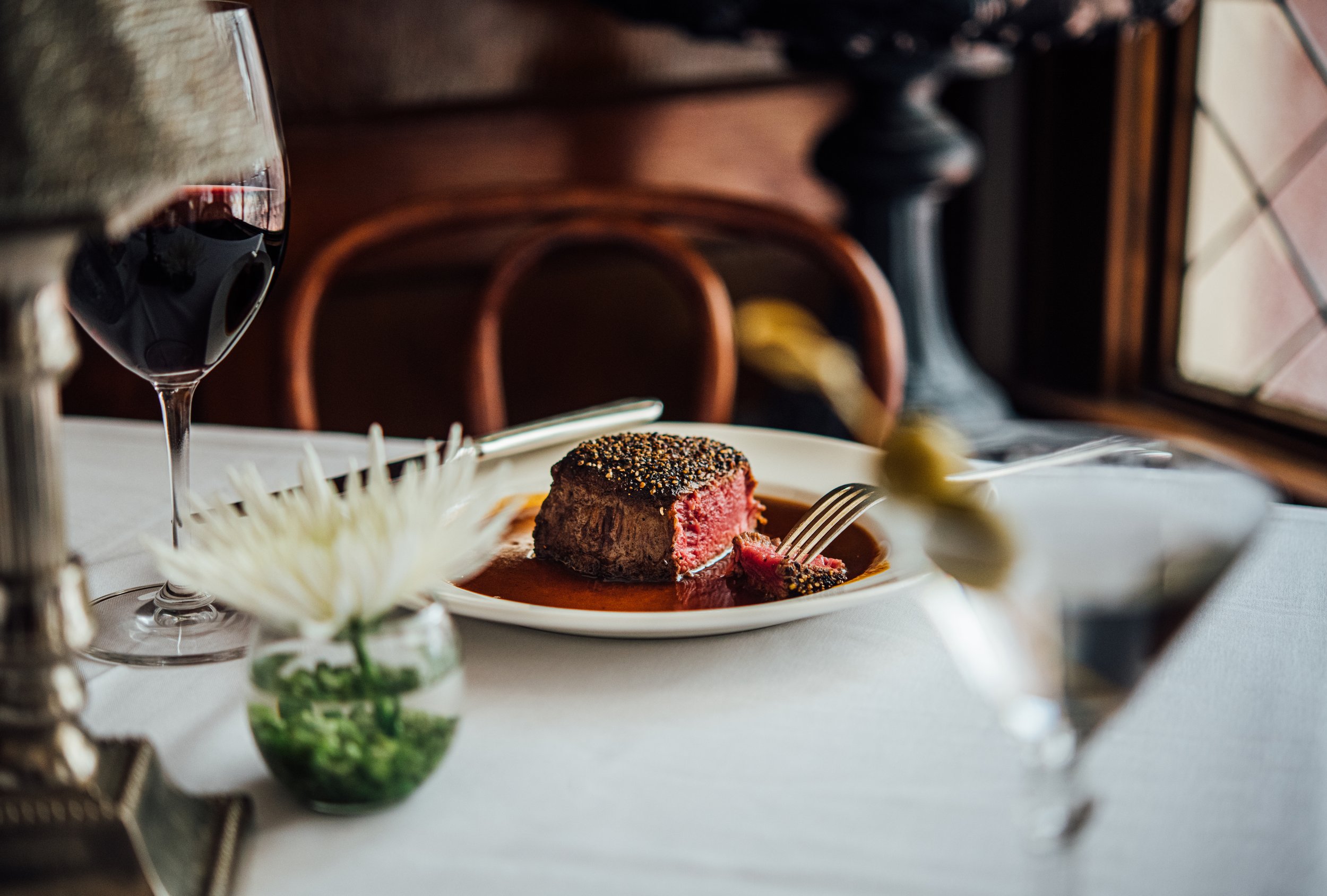
The Filet Mignon au Poivre is a favorite. A classic preparation, direct and uncompromising. He describes himself plainly as a carnivore. The sauce is straightforward. The technique is precise. There is nothing decorative about it. It exists to be done correctly.
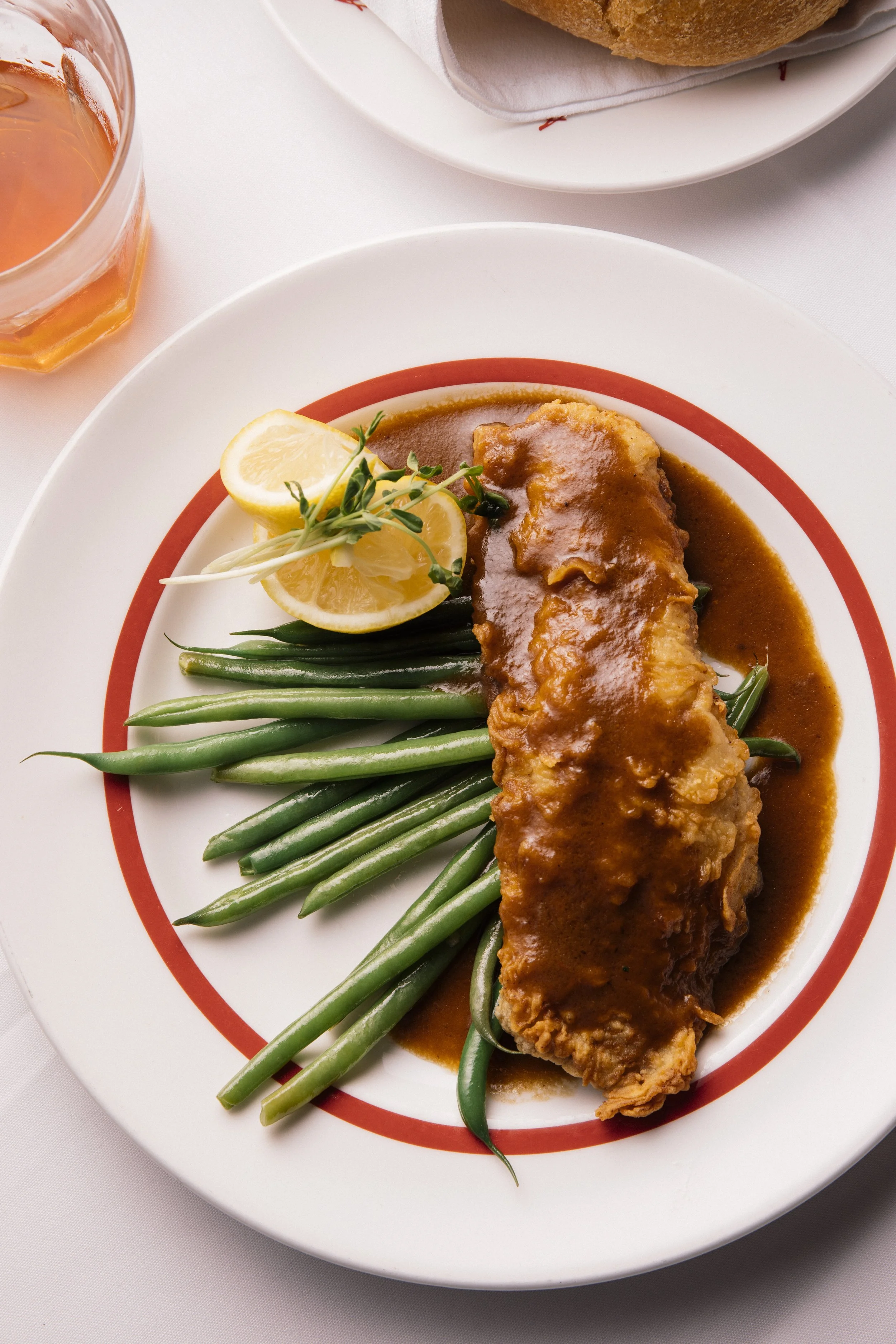
He also points to the Duck Ellen, rich and composed, and the Trout Meuniere, a dish that has anchored the menu for generations. These plates are not reinterpretations. They are continuity.
Guests may never see the work involved, but they experience it when the plate arrives. Expectations here are generational. When a dish tastes the same as it did decades earlier, the work has succeeded.
Consistency is the highest compliment a kitchen like this can receive.
Private Dining and the Art of Gathering
Arnaud’s has endured not by staying small, but by remaining central to how people gather in New Orleans.
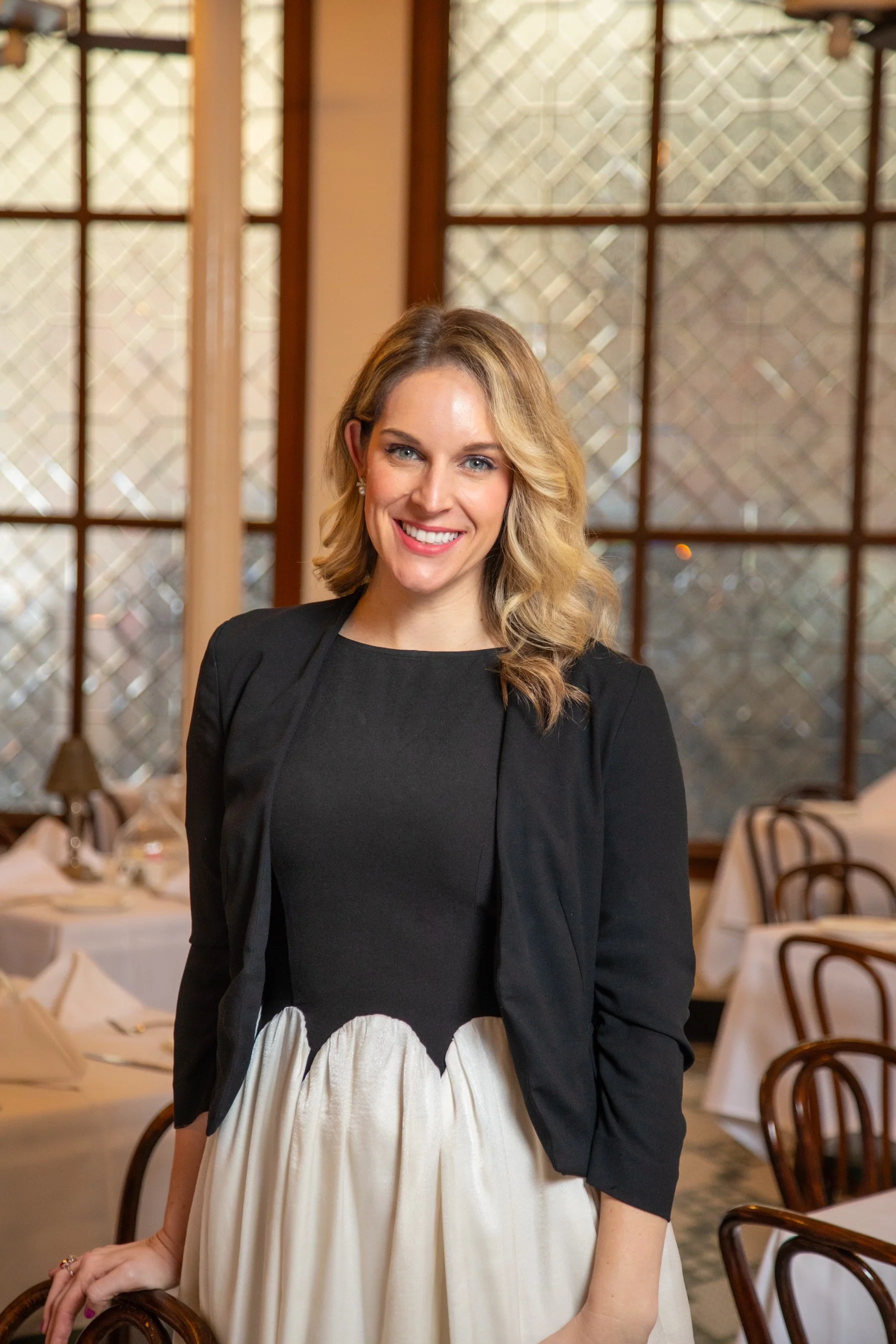
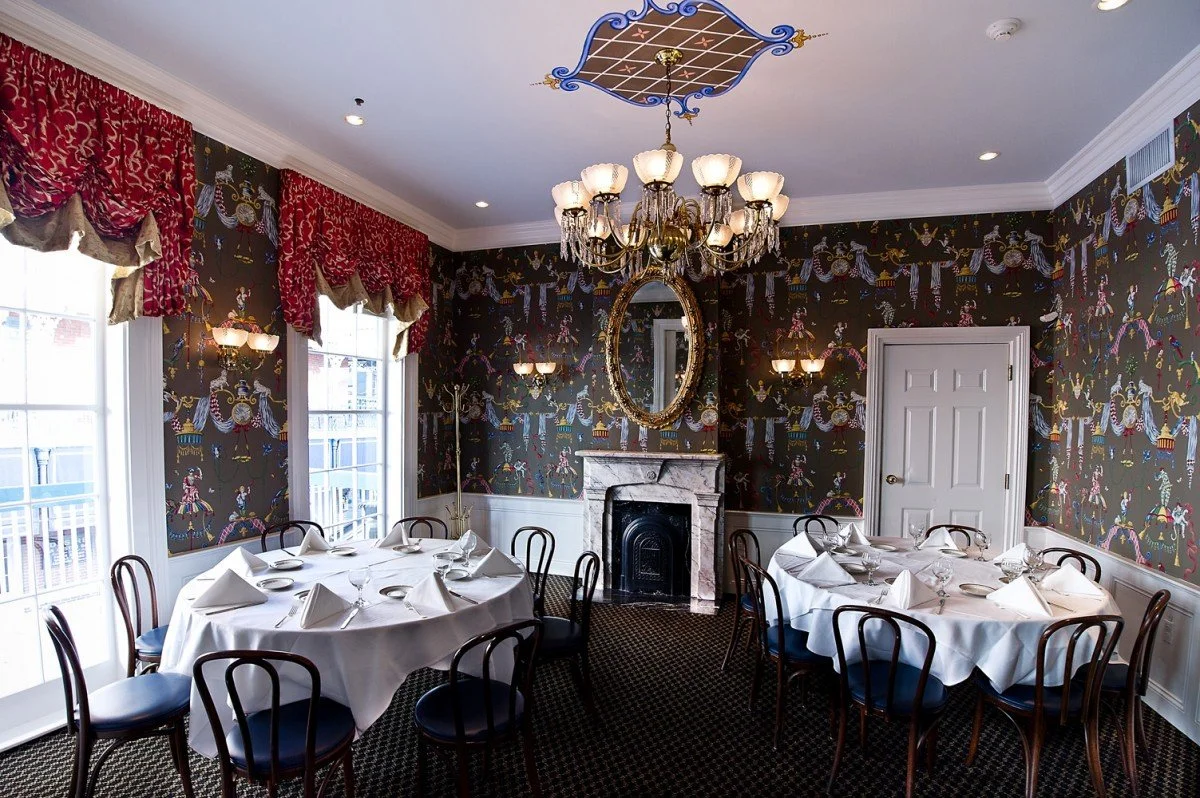
Under the guidance of Director of Sales Kaitlin Rodgers, private dining at Arnaud’s is treated as an extension of hospitality rather than a separate operation. With 17 dining rooms, multiple balconies, and the capacity to host intimate dinners as well as large scale events, the restaurant continues to play a vital role in the city’s social life.
Wedding receptions, rehearsal dinners, corporate events, family reunions, and milestone celebrations unfold within these walls every day. Guests often return again and again, hosting multiple life events here over time.
Kaitlin has seen corporate dinners turn into weddings. Weddings turn into anniversaries. Anniversaries turn into family reunions. She herself was married at Arnaud’s, further reinforcing the deeply personal role the restaurant plays for so many.
Private rooms are not treated as overflow space. They are selected and prepared to feel personal, welcoming, and rooted in the character of the building itself.
Hospitality here is measured by return visits, not spectacle.
Preserving Mardi Gras Culture Beyond the Table
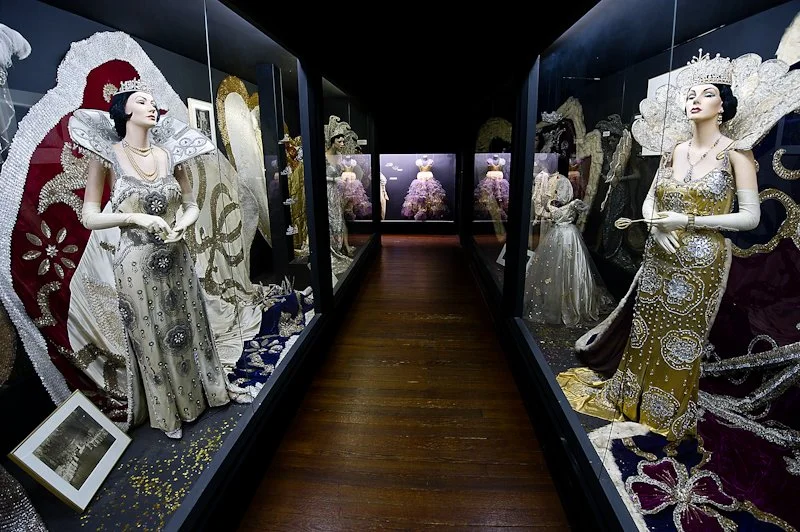
Few restaurants in the United States house a museum. Arnaud’s does.
Located upstairs, the Germaine Cazenave Wells Mardi Gras Museum preserves gowns, photographs, and artifacts that reveal a deeper side of Carnival culture in New Orleans. The collection reflects the traditions of Mardi Gras societies, the craftsmanship behind the celebrations, and the generations of families who sustained them.
Mardi Gras, at its core, belongs to everyone. It is not limited to the French Quarter. Neighborhoods across the city experience the season differently, from family friendly Uptown parades to the creativity of the Marigny and Bywater.
Arnaud’s plays a quiet but consistent role throughout the lead up to Carnival. Friday lunches, dinners, gatherings, and traditions unfold here long before the parades roll. Food may be the entry point, but cultural preservation is the deeper calling.
A Christmas Eve Reflection
One night each year captures the spirit of the restaurant more clearly than any other.
On Christmas Eve, every table in the dining rooms is filled with families. Multiple generations sit together. Traditions repeat themselves across decades. For the Casbarian family, it is a moment that brings both pride and humility.
Seeing those rooms filled reminds them why the work matters. It is not about volume or recognition. It is about being trusted with people’s most meaningful moments.
Carrying a New Orleans Legacy Forward
Arnaud’s remains a family operated restaurant. Archie works alongside his mother Jane and sister Katy, guided by a shared understanding of what the restaurant has been and what it must continue to be. Presence matters here. Someone from the family is always paying attention.
The most important lessons passed down were not about menus or margins. They were about people. About treating staff with care. About noticing details. About understanding that leadership shows up in consistency, humility, and service.
You do not own a place like this.
You carry it.
When you visit Arnaud’s Restaurant in New Orleans, the guidance is simple. Order a French 75. Take time to explore the upstairs rooms. Notice how the tile floors change beneath your feet. Slow down and pay attention.
Some experiences only exist because people choose, every day, to protect them.
Make a Reservation
Customize Your Dining Experience
Never miss an update from Retire Southern